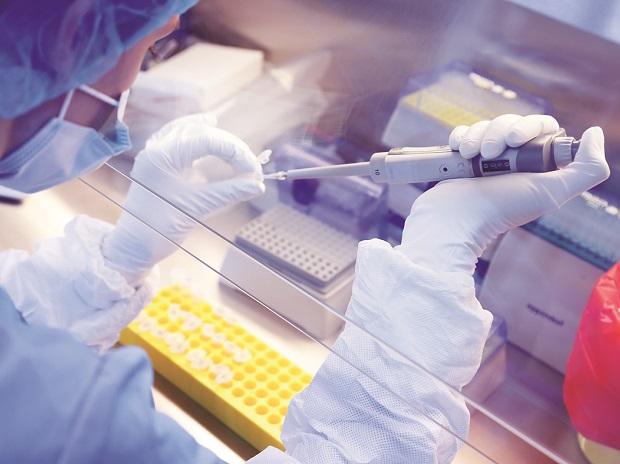
Study Shows Vaporizing E-Waste Makes it Easy to Recover Precious Metals at 13-Times Lower Costs

credit Alexandre Debiève

By instantaneously heating electronics to 3,000°C via an electrical current, scientists have found a way to extract decent grades of precious metals without creating hazardous waste.

According to their analysis, relying on e-waste for a precious metals supply could be 13-times cheaper than mining them from the ground. However, previous methods have involved throwing this or that broken gizmo into a furnace powered by copious amounts of energy while also releasing toxic substances into air.

By contrast, “flash joule heating,” a way of using electrical currents to vaporizing the valuable metals from the materials that hold electronics together is between 80 and 500-times more energy efficient.

One 2008 study calculated that one ton of mobile phones without batteries contains about 130kg of copper, 3.5kg of silver, 340 grams of gold, and 140 grams of palladium.

Those totals, if assayed as part of a drilling survey at a mine, would be considered world class results in the 99th percentile of grades.

Most open pit mining operations will run at a rate of between 0.5 and 1.8 grams per-ton gold and 100 to 180 grams per-ton silver. Some 40 million tons of e-waste is produced annually, so some simple mathematics reveals the potential economy to be found in harvesting e-waste for metals—a process termed “urban mining” by scientists.

Scientists at Rice University shredded a printed circuit board for their experiments, and mixed it with carbon black as a conductive additive. Once in the flash joule chamber, the current applied is so high that the precious metals, like rhodium, copper, and gold, turn briefly to vapor, while the carbon-based components like the plastic, are carbonized. This same process has been used to turn plastic into diamonds.

Mining companies for base and precious metals use a variety of patented recovery processes to separate gold, zinc, or nickel from the ore body.

Just like in mining, additives enhanced the recovery percentage of the metals from their vaporized form, including halides or fluorine-based substances. These brought the recovery of rhodium up to greater than 80%, and palladium to 70%. Bleach and other chlorine-based compounds brought the silver recovery rate up to greater than 80% as well.With the prices of these metals skyrocketing of late, new and cheaper supplies will be crucial to ensure important industries remain intact and competitive. Study Shows Vaporizing E-Waste Makes it Easy to Recover Precious Metals at 13-Times Lower Costs
Read More........

World's richest 10% caused two thirds of global warming: study


The world's wealthiest 10 percent of individuals are responsible for two thirds of global warming since 1990, researchers said on Wednesday.

How the rich consume and invest has substantially increased the risk of deadly heatwaves and drought, they reported in the first study to quantify the impact of concentrated private wealth on extreme climate events.

"We link the carbon footprints of the wealthiest individuals directly to real-world climate impacts," lead author Sarah Schoengart, a scientist at ETH Zurich, told AFP.

"It's a shift from carbon accounting toward climate accountability."

Compared to the global average, for example, the richest one percent contributed 26 times more to once-a-century heatwaves, and 17 times more to droughts in the Amazon, according to the findings, published in Nature Climate Change.

Emissions from the wealthiest 10 percent in China and the United States which together account for nearly half of global carbon pollution each led to a two-to-threefold rise in heat extremes.

Burning fossil fuels and deforestation have heated Earth's average surface by 1.3 degrees Celsius, mostly during the last 30 years.

Schoengart and colleagues combined economic data and climate simulations to trace emissions from different global income groups and assess their impact on specific types of climate-enhance extreme weather.

The researchers also emphasised the role of emissions embedded in financial investment rather than just lifestyle and personal consumption.

"Climate action that doesn't address the outsized responsibilities of the wealthiest members of society risk missing one of the most powerful levers we have to reduce future harm," said senior author Carl-Friedrich Schleussner, head of the Integrated Climate Impacts Research Group at the International Institute for Applied Systems Analysis near Vienna.

- Billionaires tax -

Owners of capital, he noted, could be held accountable for climate impacts through progressive taxes on wealth and carbon-intensive investments.

Earlier research has shown that taxing asset-related emissions is more equitable than broad carbon taxes, which tend to burden those on lower incomes.

Recent initiatives to increase taxes on the super-rich and multinationals have mostly stalled, especially since Donald Trump regained the White House.

Last year, Brazil -- as host of the G20 -- pushed for a two-percent tax on the net worth of individuals with more than $1 billion in assets.

Although G20 leaders agreed to "engage cooperatively to ensure that ultra-high-net-worth individuals are effectively taxed," there has been no follow-up to date.

In 2021, nearly 140 countries agreed on work toward a global corporate tax for multinational companies, with nearly half endorsing a minimum rate of 15 percent, but those talks have stalled as well.

Almost a third of the world's billionaires are from the United States more than China, India and Germany combined, according to Forbes magazine.

According to anti-poverty NGO Oxfam, the richest 1 percent have accumulated $42 trillion in new wealth over the past decade.

It says the richest one percent have more wealth than the lowest 95 percent combined.

Read More........

Global trade and tariff uncertainties​ can become catalyst for reforms in India: HSBC Research


New Delhi, (IANS): Global trade and tariff uncertainties could become a catalyst for reforms in India over the medium term and for growth results, the reforms must run deep, an HSBC Research report said on Tuesday.

Potential US tariffs may have already become a catalyst for reforms like lowering import tariffs, opening up to regional FDI, fast-tracking trade deals, and making the Indian rupee more flexible.

"And India does not have to look too far for models to emulate. Its success in services exports has demonstrated the power of moving up the value chain, from basic (call centre services) to high-tech (professional services)," said the report.

India's goods trade deficit narrowed sharply in February to $14.1 billion, from $23 billion in January.

“The trade deficit tends to narrow in February but this time, it narrowed rather sharply to the lowest in more than three years,” the report mentioned.

India's goods trade deficit narrowed to $14 billion and the services trade surplus rose to $18.5 billion, putting the overall trade balance in a rare surplus zone in February.

A normalisation in imports across the board - oil, gold, and core - led to the narrowing of the goods trade deficit, the report mentioned.

Global trade and tariff uncertainty is likely to lower India's GDP growth in the short term, but could become a catalyst for reforms over the medium term; for growth results, however, reforms must run deep.

Within exports, core goods were softer, led more by weaker investment goods exports than consumer goods exports.

"This is in line with our expectation that globally, FDI and investment may be challenged in 2025, due to global uncertainty," the HSBC report noted.

Within imports, all key categories softened - oil, gold and core. Falling global oil prices lowered the oil import bill by $1.5 billion, while gold imports remained modest after a steep rise in Q4 2024.The services trade surplus remained robust at $18.5 billion. On seasonally adjusted sequential terms, services exports have been rising by an average 3 per cent for three months. Global trade and tariff uncertainties​ can become catalyst for reforms in India: HSBC Research | MorungExpress | morungexpress.com
Read More........

New study reveals the world’s most searched-for jobs

In 2019, Brother UK, the office electronics supplier, analysed a year’s worth of Google search data. The study revealed the most popular jobs worldwide, and they discussed whether culture and economy impacted careers globally.

In 2023, Brother UK conducted a new study investigating how the global job market has changed in the last three years. Brother UK wanted to determine whether a pandemic, economic uncertainties, remote/hybrid working, and AI technologies have transformed how the world searches for jobs.

The most searched-for jobs in the UK

Teaching assistant jobs are still the most searched-for in the UK. However, there are signs that interest may be waning. In 2019, over 288,000 people searched Google for teaching assistant roles. But since 2020, the average yearly searches have shrunk by 5% to 275,000.

UK search data shows that the most significant search increase in the education sector was from qualified teaching positions. While teachers still wish to continue teaching, they may consider switching schools for better career prospects.

A recent poll from the National Education Union showed that teachers were more likely to look for a promotion at another school rather than at the school where they were currently employed.

In 2019, the second and third most searched-for jobs in the UK were estate agents, with 105,700 searches and project managers, with 99,300 searches. While searches for both jobs increased, they were knocked out of the top five by a surge of interest in teaching and cabin crew jobs.

The aviation industry experienced heavy turbulence at the start of the pandemic due to fewer flights. As international travel restrictions were gradually lifted, airlines that managed to weather the storm have needed to rehire talent back into the workforce.

Photography jobs saw one of the most significant declines in UK searches. Searches for photography roles fell by 17% and failed to make the 10 most searched-for jobs in 2023. Stock image photographers are also facing steep competition from AI, which can produce photorealistic artwork cheaply.

The most searched-for jobs in the UK:

1 Teaching assistant 
2 Cleaner 
3 Teacher 
4 Cabin crew 
5 Project manager 
6 Human resources 
7 Estate agent 
8 Receptionist 
9 Graphic designer 
10 Accountant 

*Avg. yearly searches for listed jobs

The most searched-for jobs in Europe

Across the continent, human resources careers emerged as the most searched-for. However, our study revealed that there were regional variations depending on the job market in each country.

Germany saw the highest search volumes for firefighter jobs. Data from the Economic Research Institute indicates that firefighters in Germany can expect to earn around €45,931 per year. While this is slightly below Germany’s national average salary, the outlook for firefighters is positive. Over the past five years, firefighter salaries have increased by 18%, with predictions their wages will continue to grow in the coming years.

Teaching assistants emerged as the second most searched job in Europe, with most searches coming from the UK. European countries outside the UK, specifically Ireland and Germany, also saw significant growth in teaching assistant roles.

The most searched-for jobs in Europe:

1 United Kingdom Teaching Assistant 
2 Germany Firefighter 
3 Spain Airline pilot 
4 France Animator 
5 Switzerland Admin 
6 Austria Courier 
7 Belgium Nurse aide 
8 Portugal Airline pilot 
9 Cyprus Cabin crew 
10 Malta Airline pilot 

*Avg. yearly searches for listed jobs

The world’s most searched-for jobs, overall

Interest in human resources was not limited to European countries. Global job search data revealed that HR jobs were the most sought-after globally. The US led the way, with the highest volume of HR job searches in the last three years, followed by the UK and India.

There was a substantial increase in the number of job searches. Accounting jobs were identified as the second most searched in the world, seeing average yearly search volumes double, reflecting a considerable increase in demand. This is beaten by the rise in demand for graphic design roles, which tripled.

Job searches around the world:

1 Human resources 
2 Accountant 
3 Graphic designer 
4 Mechanical engineer 
5 Civil engineer 
6 Data analyst 
7 Cleaner 
8 Receptionist 
9 Teacher 
10 Journalist 

*Avg. yearly searches for listed jobs

The search for science and technology jobs

STEM (Science, Technology, Engineering, and Mathematics) jobs have been in high demand, crucial for driving innovation and advancing society. In our previous study, mechanical engineering stood out as the most sought-after job within STEM and the most searched job globally.

Mechanical engineering continues to be a highly sought-after career path, with a 77% increase in average yearly searches for engineering jobs. Unsurprisingly, mechanical engineering remained the most searched-for STEM job globally, with many searches coming from South Africa, which saw an average yearly search volume of 123,730.

A standout data trend was the growing searches for careers in data analytics. Global job searches for data analytics hit a yearly average of 780,677, making the top 10 which it had failed to reach previously. The US, UK and Canada job markets were most interested in data analytics careers.

Science & Technology job searches:

1 India Civil engineer 
2 USA Data analyst 
3 UK Data analyst 
4 South Africa Mechanical engineer 
5 Canada Data analyst 


*Avg. yearly searches for listed jobs

The most caring countries

In 2019, Australia was found to be the most caring country, with Australians searching for more jobs in social care than other professions. Since 2020, little has changed. Our friends Down Under might be even more caring, with average yearly searches for social care jobs increasing by 48%.

Our job search data suggests that Mexico is among the most caring countries, with nursing being the most-searched job in Mexico.

It’s not surprising that nursing is a popular job search in Mexico. In addition to helping others, Mexican nurses receive better pay and job security than other jobs in the country. According to data from the Mexican Competitions Institute, nursing is the seventh most sought-after job in the country. Nurses can expect to be paid 34% more than the median national income.

Social care sector job searches:

1 Spain Nurse aide 
2 Australia Social worker 
3 Colombia Nurse aide 
4 Mexico Nurse 
5 France Caregiver 
6 Ireland Social worker 

*Avg. yearly searches for listed jobs

Finance-focused countries

In the last three years, several countries have been making money moves. In 2019, the top country for accounting roles was the US, and this remains unchanged. In fact, there has been a 3.2% increase in yearly searches for accounting jobs in the US.

In 2019, Canada followed closely behind their North American neighbours, ranking second as the country with the most job searches in finance. Like the USA, the average yearly searches for accountant jobs in Canada have increased by 23% in the last three years. Despite this, Canada was outpaced by noticeable increases in India and the UK.

The professional services focus on finance jobs has extended beyond India and the UK. Previously, Singapore, the UAE and Kenya also appeared in the top 10 for job searches in accountancy. Like Canada, all three countries saw search volumes for accountant jobs increase by 38%. However, they were outpaced by Germany and South Africa.

Finance sector job searches:

1 UK 
2 India 
3 USA 
4 Canada 
5 South Africa 
6 Germany 
*Avg. yearly searches for accountant/accounting jobsYou can find more information about the research here: https://www.brother.co.uk/business-solutions/worlds-most-searched-for-jobs New study reveals the world’s most searched-for jobs
Read More........

Australia and India partner on COVID-19 research


Australian and Indian researchers will work together to advance COVID-19 screening and study the future health effects of the virus after a nearly $4 million investment by the Morrison government. The Australia-India Strategic Research Fund (AISRF) has funded six new projects, including one to develop COVID-19 diagnostic technologies and another study of the longer-term effects on the hearts and lungs of patients who have recovered. 

Other projects will develop risk management systems to protect farmers from disasters associated with climate change and demonstrate how food-drying technology using renewable energy can reduce pollution in the food-processing sector.

Minister for Industry, Science and Technology Karen Andrews said she was pleased that work in these important areas would be able to continue after the COVID-19 pandemic had caused significant delays this year.

“This latest funding will enable Australian and Indian researchers to contribute to the global response to the COVID-19 pandemic, including in crucial screening and diagnostic testing,” Minister Andrews said.

“As a result of our shared commitment to finding answers through science and technology, India and Australia have tackled a number of shared challenges since the AISRF was established in 2006, with important progress made in areas including agriculture, energy and health.

“The Australian Government remains committed to our strong, strategic relationship with India, which provides numerous economic benefits for both countries.”

The Australian recipients are the University of South Australia, the University of Southern Queensland, the University of Technology Sydney, the Metro North Hospital and Health Service in Brisbane, the University of Adelaide, and the University of Western Australia.

In June 2020, the Australian Government announced it would commit a further $15 million to extend the AISRF for another four years to 2024, bringing Australia’s total funding for AISRF grants to nearly $100 million over 18 years. This funding will begin to roll out from the next grant round in 2021.

The AISRF is Australia’s largest fund dedicated to bilateral science collaboration. It helps build links between Australia and India’s top universities, research institutions and the end users of scientific innovation. Source: r
Read More........

Covaxin likely to be available for public use in India by February


Covaxin, the COVID vaccine candidate by Hyderabad-based vaccine manufacturer Bharat Biotech Limited, being developed in collaboration with the Indian Council of Medical Research (ICMR), is likely to be available for use of the general public by the end of February 2021, Dr Sanjay Roy, principal investigator (PI) heading its clinical trial at AIIMS, told IANS.

"We can hope the general population will get their hands on the vaccine doses by February," he stated.

Roy also said that two indigenous vaccine candidates which are frontrunners, expected to hit the market shelves before the end of the first quarter of 2021. "The Covishield by Serum Institute of India (SII) is also a frontrunner and also in the third phase of clinical trials. I expect it to be available for public use around the time of Covaxin," he added.

Covaxin has entered phase III of clinical trials at the All India Institute of Medical Sciences (AIIMS) in New Delhio. Roy said that more than 100 volunteers have already received the first dose of the vaccine candidate.

He also informed that a target of 26,000 volunteers is set for the phase III clinical trial of the Covaxin. The volunteers would receive two intramuscular injections at a period of 28 days apart. The trial is double-blinded and the volunteers will be randomly assigned to receive COVAXIN or placebo. The investigators, participants and the company will not be aware of who is assigned to which group.

The lowest age kept for the eligibility to enroll in the trial is kept at 18 years. The volunteers who wish to participate in this trial should be adults over 18 years of age.

Bharat Biotech has applied for emergency-use authorisation (EUA) to Drug Controller General of India (DCGI) on Monday, a day after SII applied for the same on Sunday.

Apart from these two, US-based pharma giant Pfizer Inc had also submitted an application on December 4 to the DCGI seeking EUA for its COVID-19 vaccine in India.

The Covaxin recently made news after its VIP participant, Haryana's Health Minister Anil Vij tested positive for the novel coronavirus two weeks after being administered the trial vaccine shot.

Inida's health ministry informed on Tuesday that as many as eight COVID vaccine candidates are under different stages of clinical trials which could be ready for authorisation in near future.

The vaccines include Covain, Astrazeneca and Oxford university developed and Serum Institute of India manufactured Covishield, ZyCoV-D by Zydus Cadila, Russian vaccine candidate Sputnik-V, NVX-CoV2373 by SII, HGCO19 by Geneva, and two unlabelled vaccines - Recombinant Protein Antigen-based vaccine by Biological E Limited and Inactivated rabies vector platform by Bharat Biotech Limited. Source: https://southasiamonitor.org
Read More........

Coronavirus: Lung damage ‘identified’ in study


Coronavirus (COVID-19) could be causing lung abnormalities still detectable more than three months after patients are infected, researchers suggest. 

A study of 10 patients at Oxford University used a novel scanning technique to identify damage not picked up by conventional scans. 

It uses a gas called Xenon during MRI scans to create images of lung damage. 

Lung experts said a test that could spot long-term damage would make a huge difference to Covid patients.

The Xenon technique sees patients inhale the gas during a magnetic resonance imaging (MRI) scan.

Prof Fergus Gleeson, who is leading the work, tried out his scanning technique on 10 patients aged between 19 and 69. 

Eight of them had persistent shortness of breath and tiredness three months after being ill with coronavirus, even though none of them had been admitted to intensive care or required ventilation, and conventional scans had found no problems in their lungs. 

The scans showed signs of lung damage - by highlighting areas where air is not flowing easily into the blood - in the eight who reported breathlessness. 

The results have prompted Prof Gleeson to plan a trial of up to 100 people to see if the same is true of people who had not been admitted to hospital and had not suffered from such serious symptoms. He is planning to work with GPs to scan people who have tested positive for Covid-19 across a range of age groups. 

The aim is to discover whether lung damage occurs and if so whether it is permanent or resolves over time.

He said: "I was expecting some form of lung damage, but not to the degree that we have seen."

The risk of severe illness and death increases markedly for the over 60s. But if the trial discovers that the lung damage occurs across a wider age group and even in those not requiring admission to hospital "it would move the goalposts," according to Prof Gleeson.

He believes the lung damage identified by the Xenon scans may be one of the factors behind long Covid, where people feel unwell for several months after infection.

The scanning technique was developed by a research group at the University of Sheffield led by Prof James Wild who said it offered a "unique" way of showing lung damage caused by Covid-19 infection and its after-effects.

"In other fibrotic lung diseases we have shown the methods to be very sensitive to this impairment and we hope the work can help understand Covid-19 lung disease." 

Dr Shelley Hayles is a GP based in Oxford involved in helping set up the trial. She believes that up to 10% of those who have had Covid-19 might have some form of lung damage which is leading to prolonged symptoms. 

"We're now at more than one and a quarter million who have been infected - and 10% of that is a lot of people," she said.

"When medical staff tell patients that they don't know what's wrong with them and they don't know how to sort the symptoms out, it's very stressful.

"With most patients, even if the news isn't great, they want the diagnosis."

That is true of Tim Clayden, who spent his 60th birthday at the John Radcliffe Hospital in Oxford with Covid symptoms that were so severe he believed that he would die. Fortunately, he recovered but remains weary to this day. Tim was frustrated not knowing why he wasn't recovering to full health.

He said that he was simultaneously concerned and relieved when he received one of Prof Gleeson's scans which showed that his lungs were damaged.

"It does help knowing that there is an issue with your lungs," he says.

"I now know what it is. I know the origin of it. What I don't know, because no one does, is whether it is permanent or if it will pass. But I'd rather know than not know."

Dr Samantha Walker, director of research and innovation at Asthma UK and the British Lung Foundation, said: "This is an interesting investigation and it's important that post-Covid lung damage is looked into further and on a larger scale so we can better understand the longer-term damage caused."If further investigation shows that lung damage occurs, it could enable the development of a test that can measure lung damage caused by Covid-19 which would make a huge difference to many people with 'long covid' respiratory issues and also allow specific treatments to be developed." - BBC Coronavirus: Lung damage
Read More........

Most lungs recover well after COVID-19, says study


NOV 26, 2020 LONDON: Lung tissue of patients who suffer severely from COVID-19 shows good recovery in most cases, according to a study. The researchers at the Radbound University in the Netherlands found that the group which was referred by a GP did not recover as well as patients who were admitted to the hospital''s Intensive Care Unit (ICU). The study, published in the journal Clinical Infectious Diseases, included 124 patients who had recovered from acute COVID-19 infections. The patients were examined by CT scan and a lung functional test. After three months, the researchers took stock, which revealed that the patients'' lung tissue is recovering well. Residual damage in the lung tissue was generally limited, and was most often seen in patients who were treated in the ICU, they said. According to the study, the most common complaints after three months are fatigue, shortness of breath and chest pains. "The patterns we see in these patients show similarities with recovery after acute pneumonia or acute respiratory distress syndrome (ARDS), in which fluid accumulates in the lungs," pulmonologist Bram van den Borst said. "Recovery from these conditions also generally takes a long time. It is encouraging to see that lungs after COVID-19 infections exhibit this level of recovery," van den Borst said in a statement. In the study, the patients were divided into three categories: a group who were admitted to the ICU, patients who were admitted to a nursing ward in the hospital, and those who could stay home but experienced persisting symptoms that eventually warranted a referral from their GP. The study assessed how patients fared after three months, and revealed that the patients who were referred to the aftercare clinic by their GP showed the worst recovery in the following period, the researchers said. This latter group of patients was referred because of their persisting symptoms, they said. "However, it does seem that there is a clear subgroup of patients who initially experienced mild COVID-19 symptoms and later kept experiencing persistent long-term complaints and limitations," van den Borst explained. "What is striking is that we barely found any anomalies in the lungs of these patients. Considering the variety and seriousness of the complaints and the plausible size of this subgroup, there is an urgent need for further research into explanations and treatment options," he said Copyright © Jammu Links News Source: Jammu Links News
Read More........

Oxford University COVID-19 vaccine ‘encouraging’ for older age groups


NOV 19, 2020 LONDON: The coronavirus vaccine developed by teams at the University of Oxford has been shown to trigger a robust immune response in healthy adults aged 56-69 and those over 70 years of age. The findings published in ‘Lancet' on Thursday based on 560 healthy adult volunteers shows that the ChAdOx1 nCoV-19 vaccine is "safe and well tolerated" with a lower reactogenicity profile in older adults than in younger adults, meaning the older age groups could build immunity to the disease. "These findings are encouraging because older individuals are at disproportionate risk of severe COVID-19 and so any vaccine adopted for use against SARS-CoV-2 [COVID-19] must be effective in older adults," the researchers note. The team is also testing whether the vaccine stops people developing COVID-19 in larger Phase 3 trials and early results from this crucial stage are expected in the coming weeks. "We were pleased to see that our vaccine was not only well tolerated in older adults, but also stimulated similar immune responses to those seen in younger volunteers," said Dr Maheshi Ramasamy, an investigator at the Oxford Vaccine Group. "The next step will be to see if this translates into protection from the disease itself," she said. This means there are now four promising vaccines on the horizon after Pfizer-BioNTech, Sputnik and Moderna already reporting good preliminary data from Phase 3 trials. The UK has already ordered 100 million doses of the Oxford vaccine, being manufactured by pharma major AstraZeneca. The vaccine also has a tie-up with the Serum Institute of India. Copyright © Jammu Links News Source: Jammu Links News
Read More........

New probe that mimics coronavirus may speed up drug discovery: Scientists

SEP 22, 2020 WASHINGTON: Scientists have developed a new tool that mimics how the novel coronavirus which causes COVID-19 enters and infects cells, an advance that could potentially speed up the search for treatments against the deadly disease. The novel tool, described in the journal ACS Nano, is a fluorescent nanoparticle probe with the spike protein that is present on the surface of the SARS-CoV-2 virus, which it uses to bind to human cells and enter them. According to the researchers, including those from the National Center for Advancing Translational Sciences (NCATS) in the US, the probe could be used in tests to rapidly gauge the ability of therapeutics to block the actual virus from infecting human cells. "Our goal is to create a screening system to find compounds that block SARS-CoV-2 from binding to cells and infecting them," explained Kirill Gorshkov, a co-author of the study from the Naval Research Laboratory (NRL) in the US. Since using the actual virus in such screening studies would be difficult and require special facilities, the scientists said they used nanoparticles to mimic the viral function of binding to and invading the host human cell. "We at NRL are experts in nanoparticles, and the NCATS researchers are experts in drug screening using cellular systems. So, it was the perfect match," explained Eunkeu Oh, another co-author of the study from NRL. To create the probe, the scientists built an ultrasmall fluorescent particle called a quantum dot, fashioned from cadmium and selenium. According to the researchers, these particles are at around 10 nanometers in size, which makes them 3,000 times smaller than the width of a single human hair. They studded the quantum dots'' surfaces with a section of the SARS-CoV-2 spike protein which binds to ACE2 -- a human cell surface protein. The study noted that the first step in the pathway to novel coronavirus infection is the union of the spike protein with ACE2. The scientists could track the dots'' behaviour under a microscope based on their fluorescent glow. "Because they're such bright fluorescent objects, the quantum dots give us a powerful system to track viral attachment and effects on the cell in real time," Gorshkov said. The researchers observed how the nanoparticle probes attach to ACE2 in a lung cell line commonly used in coronavirus assays. According to the scientists, the probes were not toxic to the test cells at the concentrations and exposure times used in the study. While the quantum dots followed the SARS-CoV-2 pathway into cells, they said the probes also mimicked the virus in the presence of antibodies, which are proteins made by the immune system that can specifically neutralise invading foreign agents like viruses. The study noted that the antibodies were potent inhibitors of the quantum dot probes as well, preventing them from binding to ACE2 and entering human cells. Based on the observation, the researchers said the quantum dot probes could help rapidly test the ability of potential therapeutic agents to block the virus from entering and infecting cells. They said assays using the probes could also determine the concentrations at which potential treatments may safely and effectively block infection. "Using the quantum dots, we could create tests to use in drug screening and drug repurposing, using libraries of compounds that have activity but that also are approved by the U.S. Food and Drug Administration," Gorshkov said. "Such assays could rapidly identify promising, safe treatments for COVID-19," he added. The scientists believe the probe's flexible design can allow researchers to swap in spikes that bind to other receptors as well since ACE2 may not be the only protein SARS-CoV-2 targets. According to the researchers, the probe could also be used to test how mutations in the spike change the way the virus behaves by adding mutated spikes to the quantum dots. Copyright © Jammu Links News, Source: Jammu Links News
Read More........

Children with no COVID-19 symptoms may shed virus for weeks: Study

AUG 29, 2020 WASHINGTON: Children can shed the novel coronavirus that causes COVID-19, even if they are asymptomatic, or for long after their symptoms have cleared, according to a new study which sheds more light on the significance of the pediatric population in the pandemic's spread. The study, published in the journal JAMA Pediatrics, followed 91 children at 22 hospitals throughout South Korea, infected with the novel coronavirus SARS-CoV-2, and found that they carried the viral genetic material RNA for a longer period than expected. "Symptom screening fails to identify most COVID-19 cases in children, and SARS-CoV-2 RNA in children is detected for an unexpectedly long time," the researchers, including those from Seoul National University College of Medicine in South Korea, noted in the study. In a commentary, published on the study, scientists, including Roberta L. DeBiasi from the The George Washington University School of Medicine and Health Sciences in the US, said children may play an important role in the COVID-19 transmission. "To our knowledge, no prior studies have systematically focused on the frequency of asymptomatic infection in children or the duration of symptoms and viral shedding in both asymptomatic and symptomatic children," the researchers noted in the commentary. According to the study, about 22 per cent never developed symptoms, 20 per cent were initially asymptomatic but developed symptoms later, and 58 per cent were symptomatic at their initial test. Over the course of the research, the scientists said the hospitals where these children stayed continued to test them every three days on average, providing a picture of how long viral shedding continues over time. The findings revealed that the duration of symptoms varied widely, from three days to nearly three weeks. The authors of the commentary noted that there was also a significant spread in how long children continued to shed virus and could be potentially infectious. While the virus was detectable for an average of about two-and-a-half weeks in the entire group, a significant portion of the children -- about a fifth of the asymptomatic patients, and about half of the symptomatic ones -- were still shedding virus at the three week mark, they said. The scientists cautioned that children -- a group widely thought to develop mostly mild disease that quickly passes -- can retain symptoms for weeks, and even asymptomatic children continued to shed virus for a long time after initial testing, making them potential key in the transmission of the disease. However, despite these findings, the commentary noted that a qualitative "positive" or "negative" on testing platforms may not necessarily reflect infectivity. They explained that some positives may indicate the presence of bits of genetic material that may not be able to make someone sick, or negatives reflecting low levels of virus that may still be infectious. According to the scientists, testing reliability may be further limited by the testers themselves, with sampling along different portions of the respiratory tract or even by different staff members leading to different laboratory results. The researchers said it is also unknown whether asymptomatic individuals are shedding different quantities of virus than those with symptoms -- a drawback of the qualitative testing performed by most labs. Testing only for active virus instead of antibodies ignores the vast number of individuals who may have had and cleared an asymptomatic or mild infection, the scientists added. "Each of these pieces of information that we, our collaborators and other scientists around the world are working to gather is critical for developing policies that will slow the rate of viral transmission in our community," DeBiasi said. Copyright © Jammu Links News, Source: - Jammu Links News
Read More........

Israel shares ground-breaking technology with AIIMS to tackle Covid

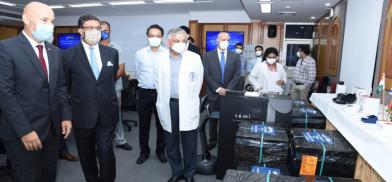
aAs a part of Israel-India cooperation to fight the ongoing COVID-19 pandemic, Israeli Ambassador Ron Malka handed over state-of-the-art equipment and technology solutions to the All Indian Institute of Medical Sciences (AIIMS) to tackle the viral disease.

"Both India, as well as Israel, are extending support to the international community by sharing their expertise, data, knowledge, medicines and collaborating in the areas of developing vaccine and research, thus leading by example and showing the true spirit of ‘Vasudhaiva Kutumbakam' (the whole world is one family)." 

AIIMS Director Randeep Guleria said 

He also informed that apart from patient care, AIIMS is actively involved in developing centres of excellence in many states and is regularly organising webinars, clinical grand rounds, e-ICU video consultations for dissemination of knowledge and expertise across the nation and abroad. AIIMS is at the forefront in fighting the pandemic and also providing best quality patient care for both Covid and non-Covid patients. AIIMS has treated around 5,500 Covid patients till now.

Malka said that these technologies will further bolster India's capabilities to tackle COVID-19. "Through cooperation and the combination of India and Israel's medical prowess, we can find effective solutions that will help both countries, as well as the world."

He added, "We are pleased to share the best medical technology from Israel with the most premier medical institute of India. Over the last few days, we have worked closely with AIIMS. We have been impressed by their brilliant ongoing response to the pandemic."

Ministry of External Affairs Secretary Sanjay Bhattacharyya was the chief guest at the function. He said, "When time gets tough, best of friends get together and India and Israel have established a sustainable and strategic partnership in various fields including the field of medicine."

He also said that India has extended assistance to over 150 countries in the fight against COVID-19 and is committed in engaging and collaborating with the international community in the areas of diagnostics, therapeutics and vaccines.

The technologies include an AI video-oriented, voice-operated autonomous personal AI assistant robot, an application that can be installed on any mobile phone of the COVID-19 staff which makes the work of the hospital staff inside the COVID-19 departments much more effective and easier.

Besides this, innovative products have been given which have been designed to give the clinicians constant contact-free access to the patient's vitals like heart rate and respiratory rate which improves patient safety with contact-free, continuous monitoring.

A 12-hour disinfection product called CPD that stays active and continuous to protect the surface against new attacks of contamination has also been presented.

A non-invasive remote patient monitoring system that aids as a preliminary screening tool of respiratory indicators of suspected COVID-19 and recovering patients and AI-based software for Ultrasound use and designed especially for fighting COVID-19 was also handed over.

The cooperation between the Embassy of Israel in India and AIIMS holds long-term cooperation of more than a decade. In 2007, a delegation of 21 members, including senior doctors and nurses from AIIMS, participated in a training on "Trauma and Mass Casualty Management".

The experience gained helped in the establishment of certain effective systems in the management of trauma care at the Jai Prakash Narayan Apex Trauma Centre, AIIMS. (IANS) Source: https://southasiamonitor.org
Read More........

Physical distancing linked with significant reduction in COVID-19 transmission: Study

JUL 31, 2020 WASHINGTON: Implementation of physical distancing policies nationally is associated with significant reductions in transmission of the SARS-CoV-2 virus, that causes COVID-19, and reduced community mobility, according to researchers, including one of Indian origin. The study, published in the journal PLOS ONE on Thursday, found that physical distancing policies enacted nationally in 46 countries prevented an estimated 1.57 million cases of COVID-19 over a two-week period, representing a 65 per cent reduction in new cases. The researchers emphasise the significant benefits that can be achieved by individuals practising social distancing measures. "From our data-driven analysis, it became clear that practising social distancing can have a huge impact on transmission rates," said Raghu Kalluri, a professor at The University of Texas MD Anderson Cancer Center in the US. Analysing the effects of social distancing policies globally, the researchers were able to obtain sufficient data for 46 countries with national social distancing policies, 74 nations without such policies and 14 with regional policies. The data indicate that significantly greater reductions in transmission were seen in countries after implementing a national social distancing policy compared to those with regional policies or a matched time frame in countries without policies, the researchers said. No significant difference was observed between countries with regional policies and those without social distancing policies, they said. Countries with any social distancing policies had significantly reduced community mobility relative to nations without policies, and those with national policies saw greater decreases than countries with regional policies, according to the researchers. There was a strong correlation between decreased mobility and decreased transmission of the virus, highlighting the importance of individuals practicing social distancing to effectively prevent transmission of the virus, they said. "This is clear evidence that social distancing measures can collectively have tremendous impacts on reducing transmission of SARS-CoV-2, and we encourage individuals to practice social distancing to help control spread of infections," said Kalluri. "We believe these data will provide useful evidence for public health officials and policy makers when considering future measures to reduce the spread of COVID-19 in their communities," he said. The researchers acknowledge the study is limited by a reliance on direct COVID-19 testing, which may underestimate prevalence. They also focused on spread rates following implementation of social distancing policies as an internal control for the numerous additional factors likely contributing to spread rates. Copyright © Jammu Links News Source: Jammu Links News
Read More........

World gets effective COVID-19 vaccine finally

Symbolic Photo

The Oxford-made COVID-19 vaccine has been shown to be effective in preventing the deadly coronavirus. After a long three-month clinical trial, it was found to be effective in the human body. 

The trial of the Oxford vaccine began last April. The vaccine was first injected into the two human bodies. One of them was Dr. Elisa Granato, a microbiologist at the University of Oxford. Later in the first stage, a few numbers of human bodies were tested.

In the second phase, the vaccine was injected among more than a thousand volunteers. According to the British media, the reports of these two stages of the trial were positive. Oxford conducted the third phase trial based on the reports of the first and second phase trials. The effects of the vaccine have also been claimed to be satisfactory in trials at this stage. Although the dose of the vaccine or the report of the clinical trial has not been released yet. Source: https://www.daily-bangladesh.com:
Read More........

Coronavirus vaccine update: Oxford vaccine's 'double defence' offers hope

Researchers at the University of Oxford believe they may have a breakthrough in their search for a Covid-19 vaccine after the team discovered that the jab could provide “double protection” against the deadly coronavirus following early stage human trials, according to media reports in the UK. The total number of coronavirus cases across the world has crossed the 13.9-million mark and the death toll has gone past 590,000.

Given the scale this pandemic is assuming at fast pace, pharmaceutical companies and scientists are working overtime under pressure to come up with a vaccine as soon as possible. There currently are over 100 vaccines at various stages of development worldwide, including in India, Britain, China, the US, Russia and Israel. There are at least 21 vaccines currently under key trials, according to the World Health Organization (WHO).

China's Sinovac Biotech, China National Pharmaceutical Group (Sinopharm) and AstraZeneca's experimental Covid-19 vaccine are in late-stage Phase III trials. Moderna, AstraZeneca, BioNTech, Novavax, Sinovac, CanSino Biologics and Inovio Pharmaceuticals are some players among those leading the race at present. Source: https://www.business-standard.com  Read More>>>
Read More........

When ready, a coronavirus vaccine must reach all

When a safe and effective vaccine against COVID-19 is licenced for use, there will be simultaneous demand around the world.

More than 115 vaccines are under development to bring the novel coronavirus pandemic to a halt. It is time to spruce up a global supply mechanism to ensure everyone gets the vaccine, say Arun Kumar* and Tung Thanh Le*.

Mankind has its hope pinned on the fast development and mass production of a new vaccine as the most important research and development effort in containing the rapid global spread of the novel coronavirus pandemic. The severity of the public health crisis, set off by the virus SARS-CoV-2 (Severe acute respiratory syndrome-Coronavirus-2) first reported in Wuhan, China in December 2019, has triggered more than 115 vaccine projects around the world.

After a similar epidemic – the Ebola outbreak of 2014 in West Africa – international research bodies and governments felt the need to join forces in the search for new vaccines. This formed the basis of The Coalition for Epidemic Preparedness Innovations (CEPI) set up by the Governments of India and Norway, the Bill and Melinda Gates Foundation, the Wellcome Trust and the World Economic Forum.

Some of the projects in India by Bharat Biotech, Biological E, Indian Immunologicals, Mynavax, Serum Institute and Zydus Cadila are part of such global efforts to develop vaccine candidates. CEPI is facilitating the development of nine COVID-19 vaccines – including those by Moderna, CureVac, Inovio, University of Oxford, Insitut Pasteur/Themis Biosciences, Novavax, University of Hongkong, University of Queensland and Clover Biopharmaceuticals, across six traditional and novel platform technologies. As of April 2020, three of these vaccine candidates had started phase I clinical trials.

Vaccine development is a lengthy process and involves various stages including exploratory and preclinical research, clinical development, regulatory review, and manufacturing. Each of these steps can take several years. Some novel platform technologies and approaches are proving to reduce these long timelines. Such platform technologies could provide a universal framework for vaccine design, manufacturing and analytical protocols for known and unknown pathogens. When these standardized and validated processes are applied across multiple vaccine targets, they could help in accelerating animal and clinical testing, engagement of critical partners and licensure processes across jurisdictions. Additionally, implementation of several steps in parallel, before confirming the successful outcome of previous steps, could also accelerate the vaccine development process.
Types of vaccines

Vaccines based on genetic instructions (as DNA or RNA) offer advantages over traditional approaches because of speed, ease in antigen design and the generic process of manufacturing. These vaccines avoid the use of cell culture, are fully synthetic, and are directly delivered into the cells where protein synthesis takes place.

Messenger RNA (mRNA) vaccines (consisting of RNA strands coding antigenic part of the pathogen) are very attractive because of the short-half life and direct delivery of antigen-encoded sequence into the cytoplasm. A chemically modified mRNA vaccine (mRNA-1273) against SARS-CoV-2 has been developed by Moderna and has started phase I trial. The previous Phase I trial based on this technology induced robust immune responses. Demonstrating the speed of this platform, just after sequence identification, Moderna started the vaccine development process and within 63 days initiated a Phase I trial. 

Another mRNA based COVID-19 vaccine candidate in pre-clinical stages is being developed by CureVac, a company based in Tubingen, Germany. CureVac’s technology uses naturally occurring nucleotides and recently has shown that 1 ug formulation of its Rabies mRNA vaccine can induce strong immune response in humans. Additionally, CureVac is in the process of developing a fully automated proprietary mobile manufacturing platform, RNA PrinterÃ’, which may further enhance speed and help with rapid responses to outbreak globally. Very recently, BioNTech in partnership with Pfizer started Phase I/II clinical trial for a COVID-19 vaccine, BNT162. Other advanced vaccine development candidate based on RNA technology, including Imperial College London, Tongji University/Chinese Centre for Disease Control and Prevention and Translate Bio/Sanofi, are also progressing with impressive speed.

Inovio’s DNA vaccine (INO-4800) against COVID-19, initiated phase 1 trials within 86 days. Scientists at Inovio started to design and synthesis of DNA vaccine, which consists of a DNA plasmid containing genes encoding for the SARS-CoV-2 spike protein. This vaccine can be given through the skin and with the help of an innovative next-generation electroporation device. This delivery device allows smooth entry of DNA into the human cells with the help of an electric current. In previous preclinical and clinical studies, Inovio’s platform technology induced robust T-cell and antibody responses. Zydus Cadila recently has been recommended for funding support from India’s Department of Biotechnology (DBT) for advancing its DNA-based Covid-19 vaccine.

Viral-vectors are being exploited for gene delivery and vaccines based on this approach offer a high level of protein expression, extended stability and provoke strong humoral (antibody mediated) and cellular (T-cell mediated) immune responses. Antigens of interest can be expressed efficiently. China’s CanSino Biologics with its recombinant COVID-19 vaccine based on Adenovirus Type-5 vector (Ad5), has moved into the Phase II trial. The University of Oxford started the development of a COVID-19 vaccine based on a replication deficient ChAdOx1 platform (chimpanzee adenovirus vector) and began Phase I/II clinical trial on 23 April 2020. The Serum Institute of India partnered with the University of Oxford and stated to start production of vaccine in next 2-3 weeks. 

Additionally, AstraZeneca also team up with Oxford for mass production of the COVID-19 vaccine. Several clinical trials have proved that it induces immunity and is safe to use against a range of pathogens. Another CEPI funded consortium led by the Institute of Pasteur, Themis Biosciences and University of Pittsburgh is developing a COVID-19 vaccine based on Measles vector (MV). The low cost of manufacturing and production of large quantities in less time makes viral vectored vaccines favourable for use in low-income and middle-income settings.

Recombinant nanoparticles are non-infectious particles and mimic conformational and structural properties of the native virus but lack genetic material. These properties make them a potential platform technology for vaccine development. Novavax developed a COVID-19 vaccine (NVX-CoV2373) based on proprietary recombinant nanoparticle technology. The NVX-CoV2373 vaccine is designed to make a stable form of prefusion form of spike protein. Immunisation of NVX-CoV2373 in animals showed strong immunogenicity. Novavax is expecting to start phase I clinical trial in mid-May (within 125 days after sequence identification). 

This platform has the potential to rapidly generate and manufacture vaccine candidates within 90 days (from the identification of gene sequence), as seen in an influenza A/Anhui/1/2013 (H7N9) and Ebola vaccine candidates. Medicago is another advance VLP candidate with ready material for pre-clinical studies.

Traditional methods such as inactivated and live attenuated approaches are among the most advance candidates. Recently, an inactivated vaccine developed by Sinovac announced commencement of phase I trial, meanwhile, Wuhan institute of Biological Product’s vaccine entered in to the phase II trial. Indian vaccine developer Bharat Biotech along with the University of Wisconsin has started development of a COVID-19 vaccine based on self-limiting version of influenza virus, CoroFlu. Scientists at the University of Hong Kong (HKU) developed a novel rapid response technology based on live attenuated influenza vaccine platform, DelNS1 LAIV. 

The non-structural protein 1 (NS1) element, which makes flu virus strongly immunogenic and less virulent, was deleted in DelNS1 LAIV. Their COVID-19 vaccine candidate was developed by incorporating Receptor Binding Domain (RBD) of SARS-CoV-2 into DelNS1 LAIV on its surface. Use of only RBD domain may avoid induction of antibody dependent enhancement of disease. This vaccine could prevent both SARS-CoV-2 and influenza infections and can be administered by nasal route. A phase I trial is expected to start in the beginning of July this year.

The University of Queensland (UQ) – one of the first runners of the recombinant protein approach – has developed molecular clamp technology that keeps the spike protein of SARS-CoV-2 in stable form, which allows the immune system to be able to recognize it. Influenza, Nipah, and MERS coronavirus are some of the vaccine candidates that are currently under development based on this rapid response platform technology. Scientists at UQ were able to generate the COVID-19 vaccine candidate within 21 days after publication of SARS-CoV-2 sequence. CEPI just announced a partnership with the Clover Pharmaceuticals for development of a SARS-CoV-2 spike (S)-protein subunit vaccine candidate based on innovative Trimer-Tag© technology. Efforts of Vaxine, SK Bioscience and G+Flas Life Science are also encouraging and advancing development of COVID-19 vaccines based on the recombinant approach.

When combined with recombinant protein-based vaccines, adjuvants (substances that modulate and enhance immune response when combined with antigen) can help in boosting stronger and long-lasting immunity. Furthermore, adjuvants also increase dose-sparing capacity without affecting protection potential and allow more vaccine doses to be made available, which is especially important in a pandemic situation. GlaxoSmithKline, Seqirus and Dynavax have committed to making innovative licenced adjuvants (ASo3, MF59 and CpG 1018), respectively) available to partners supported by CEPI to enhance the development of effective vaccines against SARS-CoV-2.
Vaccine for all

Both novel and traditional approaches to COVID-19 vaccine development offer different value propositions in relation to speed of development and scale of manufacture over short and long terms. CEPI has a diverse portfolio of candidates based on a wide range of vaccine technologies — including novel platform technologies and other more established approaches — to maximise its chances of success.

When a safe and effective vaccine against COVID-19 is licenced for use, there will be simultaneous demand around the world. Currently, there is no global entity responsible for financing or ordering such a vaccine manufacture, nor is there a globally fair allocation system for any vaccines produced. It will be vital that such a system is in place to ensure that everyone who needs it gets the vaccine, and that no one is left behind. In response, the WHO and global leaders from around the world launched the Access to COVID-19 Tool (ACT) accelerator, of which CEPI is a founding member, to speed up development, production and access to vaccines and therapeutics. 

Globally fair allocation of vaccines is a challenge that must be urgently and collectively addressed by governments, global health leaders, and regulators while the race for a COVID-19 vaccine picks up pace.

[*The authors are from the Coalition for Epidemic Preparedness Innovations (CEPI), Oslo, Norway.]

[Nature India's latest coverage on the novel coronavirus and COVID-19 pandemic here. More updates on the global crisis here.]

Read More........