Paytm wants Sri Lanka to build “world’s most seamless travel corridor” for Indian tourists

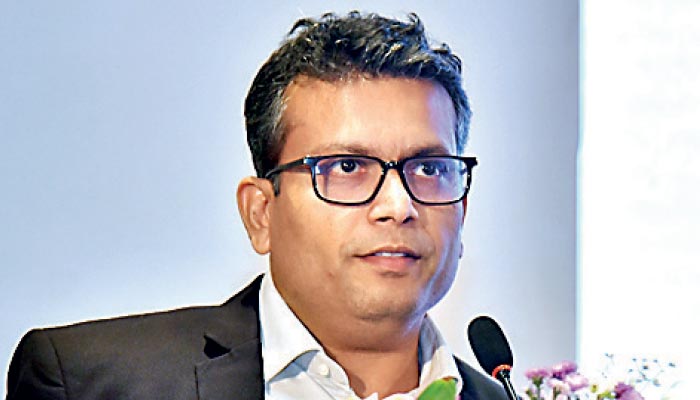
Paytm CEO for Travel and COO for Consumer Payments Vikash Jalan – Pic by Ruwan Walpola
  • Says modern tourism depends on seamless, invisible payments and destinations become more attractive when travellers do not worry about currency or acceptance
  • Notes with UPI acceptance in Sri Lanka, Indian arrivals boosted; opines country could attract 1 m Indians annually if payments become fully frictionless
  • Stresses digital payments must reach micro-merchants and SMEs, enabling homestays, guides, tuk-tuk drivers and fishermen to earn instantly, become visible to all
  • Suggests creating a national fintech-tourism task force to build a unified digital journey for travellers, make India-Sri Lanka travel corridor most seamless in the region
By Charumini de Silva: Paytm CEO for Travel and COO for Consumer Payments Vikash Jalan on Wednesday urged Sri Lanka to position itself as the “most frictionless, trusted, and convenient overseas destination” for Indian travellers, insisting that digital payments and fintech infrastructure will be just as critical as flights, hotels, and marketing in shaping the country’s next phase of tourism growth.

Speaking at the India-Sri Lanka Tourism Connect forum on the theme “Role of Fintech in Tourism Experiences,” Jalan said modern tourism is increasingly defined by action and ease, not advertising, and that seamless payment experiences are now fundamental to destination choice, visitor satisfaction, and spending levels.

“A traveller shouldn’t have to worry about currency, conversion, or acceptance. When payments disappear into the background, destinations become instantly more attractive,” he pointed out.

He explained that payments are often invisible when they work smoothly, but “painfully visible” when they don’t; affecting not only the individual tourist, but also a destination’s revenue, reputation, and repeat visitation.

A frictionless payment layer, he said, creates a self-reinforcing cycle; destination choices expand, travellers increase, revenues rise, and experience quality improves, helping that destination win in a highly competitive regional market.

Jalan stressed that India’s payments ecosystem is now among the most advanced in the world, driven by Unified Payments Interface (UPI), which processed 85 billion transactions last year, accounting for over 83% of all non-cash retail payments.

“India has gone from ‘cash-first to mobile-first in less than a decade’ and Sri Lanka’s rapid progress in digital payments places it on a parallel track,” he said.

He said over 67% of Sri Lanka’s merchant transactions now run through digital channels, and with UPI acceptance enabled in Sri Lanka in 2024, Indian travellers can simply ‘scan and pay’ as they would at home.

“This changes everything,” Jalan said, pointing to the sharp rise in Indian arrivals.

He noted that Sri Lanka saw 430,000 Indian visitors in 2024, up from 300,000 the previous year, and has already welcomed over 450,000 Indians in the first 10 months of 2025. “If Sri Lanka reaches its projected 3 million annual tourist arrivals, at least 1 million could come from India alone, especially if Sri Lanka becomes a fully frictionless UPI-enabled destination,” he added.

Jalan described the opportunity as transformational, particularly with the next wave of outbound Indian travellers emerging from tier-2 and tier-3 cities. These new travellers are value-conscious, but digitally confident.

“They trust Indian apps, Indian payment systems and Indian digital journeys. If Sri Lanka gets the experience right, it becomes closer than Bangkok, more convenient than Dubai and more interesting than many Southeast Asian markets,” he said.

To unlock this potential, Jalan argued that payment acceptance must be universal, extending beyond hotels and big retailers to micro-merchants, homestays, guides, tuk-tuk drivers, craft sellers, fishermen and local eateries.

He outlined how fintech can bring thousands of Sri Lankan small and medium enterprises (SMEs) into the formal digital economy, making them discoverable and bookable, while enabling transparent pricing and instant settlements.

“Imagine a fisherman in Jaffna getting paid instantly through QR, or a small homestay in Yala earning digitally from Indian travellers. When you solve trust and transparency, participation increases and prices stabilise naturally,” he opined.

He added that digital payments generate valuable insights to personalise tourism offerings whether for families heading to beaches, couples preferring hill country, or younger groups seeking nightlife and adventure. “A mature payments ecosystem allows Sri Lanka to curate experiences at scale,” he said.

Jalan proposed developing a national fintech–tourism task force bringing together Government, tourism authorities, banks, fintech companies and travel platforms to address issues such as cross-border settlements, QR standardisation, and merchant on-boarding and regulatory clarity.

He said this could evolve into a unified marketplace allowing travellers to discover, book, pay and experience everything in one digital journey.

Jalan said fintech is no longer an add-on, but the invisible backbone of modern tourism. “Imagine a traveller who plans on Paytm, lands in Colombo, discovers local gems, moves around easily, pays instantly, books the next experience on the go and returns home already planning the next visit. That is what happens when payments and travel work together,” he said.

“India has fintech. Sri Lanka has the most charming destination. It’s time to connect them and build the world’s most seamless travel corridor,” he added. Paytm wants Sri Lanka to build “world’s most seamless travel corridor” for Indian tourists | Daily FT
Read More........

More than 1 billion 5G subscriptions expected in India by 2031: Report

IANS Photo

New Delhi, November 20 (IANS): India is set to cross 1 billion 5G subscriptions by the end of 2031, a new report said on Thursday.

This would give the country a 79 per cent 5G subscription penetration, reflecting rapid growth in adoption just three years after the service began rolling out nationwide, according to the November 2025 edition of the Ericsson Mobility Report.

The report highlights that India is one of the fastest-growing 5G markets globally. By the end of 2025, the country is expected to reach 394 million 5G users, accounting for 32 per cent of all mobile subscriptions.

Ericsson India MD Nitin Bansal said that mobile data usage in India is the highest in the world, with average consumption at 36 GB per month per smartphone, projected to rise to 65 GB by 2031.

He added that affordable 5G FWA (Fixed Wireless Access) equipment and heavy data usage are driving this surge.

Globally, the report forecasts 6.4 billion 5G subscriptions by 2031, making up about two-thirds of all mobile subscriptions.

In 2025 alone, global 5G subscriptions are expected to reach 2.9 billion, rising by 600 million in a single year.

Network coverage is also expanding quickly, with 400 million more people gaining 5G access in 2025.

By the end of that year, half of the global population outside mainland China is expected to be covered.

Mobile network data traffic rose 20 per cent between Q3 2024 and Q3 2025, driven mainly by India and China.

By 2025, 5G networks will handle 43 per cent of all mobile data, a number expected to jump to 83 per cent by 2031.

Fixed Wireless Access continues to grow as a major 5G use case. The EMR estimates that 1.4 billion people will be connected through FWA by 2031, with 90 per cent of these users on 5G networks.Currently, 159 service providers already offer 5G-based FWA services, representing about 65 per cent of all FWA operators worldwide, the report said. More than 1 billion 5G subscriptions expected in India by 2031: Report | MorungExpress | morungexpress.com
Read More........

Maruti Suzuki's Jimny 5-door export from India surpasses 1 lakh units milestone

IANS Photo

New Delhi, (IANS): In a landmark achievement, the Jimny 5-door SUV has surpassed a cumulative export of 1 lakh units from India, Maruti Suzuki India Limited said on Thursday.

Jimny 5-door export journey began in 2023, shortly after the SUV made its debut in India. The SUV, manufactured exclusively in India, has been shipped across more than 100 countries, including Japan, Mexico, and Australia.

"Jimny 5-door’s entry in Japan in January 2025, under the name 'Jimny Nomade', sparked off an overwhelming response with orders crossing the 50,000 mark within days of introduction. This reflects Jimny’s strong resonance in one of the world’s most evolved and quality-conscious automobile markets," the company said.

According to Maruti Suzuki, the Jimny 5-door is built for performance, combining a ladder-frame chassis with Suzuki’s proven ALLGRIP PRO (4WD), offering superior off-road dynamics and stability.

Powered by a 1.5-litre petrol engine, it embodies a balance of durability, simplicity and dependable performance, traits that appeal to both rugged terrain drivers and global customers attuned to quality and functionality.

“The Jimny has over half a century of heritage globally. Jimny 5-door crossing 1 lakh export mark is a proud achievement for Maruti Suzuki. We are deeply thankful to customers around the world for their trust in this acclaimed SUV," Maruti Suzuki India Limited Managing Director and CEO, Hisashi Takeuchi, said.

Jimny’s strong off-road DNA, reliable performance and uncompromising quality have earned admiration in over 100 countries, he added.

The Jimny, along with 16 other models exported by Maruti Suzuki, stands as a shining example of ‘Make in India for the World’.

The year-on-year rise in the company’s exports reflects the love and confidence of customers in our products and highlights India’s rise as a hub for world-class automobile manufacturing, Takeuchi said.

This achievement reinforces Maruti Suzuki’s robust and sustained export growth trajectory.

With over 2 lakh vehicles exported in H1 FY 2025-26, the company grew by around 40 per cent and recorded its highest-ever half-yearly export volume. In FY 2024-25, the Company had exported over 3.3 lakh vehicles.Maruti Suzuki commands over 46 per cent share in India’s passenger vehicle exports.Maruti Suzuki's Jimny 5-door export from India surpasses 1 lakh units milestone | MorungExpress | morungexpress.com
Read More........

India’s luxury goods market to see 10 pc growth at $12.1 billion by 2025: Report


IANS Photo

New Delhi, (IANS): India’s luxury goods market is projected to see 10 per cent growth to reach $12.1 billion by 2025, emerging as a significant player in the global luxury market, a new report has said.

The luxury retail landscape is being reimagined, with brands moving beyond transactional spaces to offer curated lifestyle experiences, according to data analytics company Euromonitor International.

South Africa (15 per cent), India (10 per cent), and the United Arab Emirates (9 per cent) are among the leading countries in luxury goods market growth.

India is expected to achieve a Compound Annual Growth Rate (CAGR) of 74 per cent over the forecast period, highlighting its growing importance in the luxury ecosystem. A key factor contributing to India's growth is the increasing number of wealthy individuals, said the report.

Premium and luxury cars led value sales, fuelled by urbanisation, affluent consumers, attractive financing, and new electric models. Experiential luxury — especially hotels, travel, fine dining, and exclusive events — was the fastest-growing segment, as younger buyers increasingly sought unique experiences over products, spurred by a surge in tourism and personalised offerings.

In 2025, physical luxury stores accounted for 81 per cent of personal luxury goods sales, reflecting the sector’s resilience and the continued importance of in-person engagement.

The global luxury market – valued at $1.5 trillion in 2025 — remains resilient, despite continued macroeconomic and geopolitical disruptions.

"Amid market uncertainty, the industry is undergoing a profound transformation, shifting from product-centric models to experience-driven engagement. Wellness, lifestyle and emotional resonance are emerging as new markers of status, reshaping how brands connect with consumers,” said Fflur Roberts, global insight manager for luxury goods at Euromonitor International.

Premium and luxury cars led value sales, fuelled by urbanisation, affluent consumers, attractive financing, and new electric models. Experiential luxury—especially hotels, travel, fine dining, and exclusive events—was the fastest-growing segment, as younger buyers increasingly sought unique experiences over products, spurred by a surge in tourism and personalised offerings.

Physical luxury stores are becoming expressions of identity through exclusivity and hospitality. These environments mirror high-end hospitality, with concierge-level service and engaging storytelling.

While e-commerce surges, luxury brands are reimagining stores as cultural destinations that inspire, connect and reward loyalty through interactive experiences.

Luxury spending has shifted from personal goods towards experience-led categories, reflecting deeper changes in consumer values.Experimental luxury showed resilience, with luxury travel and hospitality markets growing 8 per cent in 2025 to reach $103 billion, said the report. India’s luxury goods market to see 10 pc growth at $12.1 billion by 2025: Report | MorungExpress | morungexpress.com
Read More........

Mahindra and Mahindra launches new Thar 2025, price starts at Rs 9.99 lakh

IANS Photo

New Delhi, (IANS): Mahindra and Mahindra on Friday launched the new 'Thar 2025' starting at Rs 9.99 Lakh (ex-showroom), with new design elements, advanced comfort features and smart technology integration for better urban commute.

"This Iconic SUV is engineered to redefine urban commuting and elevate rugged weekend adventures," the automobile manufacturer said in a statement.

The ‘Thar’ brand has garnered a dedicated community of over 3 lakh passionate owners.

More than just an SUV, it represents a lifestyle statement, inspiring to embrace adventure and exploration with unmatched capability and a timeless design, the company said.

The new model is equipped with a 26.03 cm HD infotainment screen that supports both Android Auto and Apple CarPlay, along with Type-c USB ports, providing seamless integration of your smartphone's functionalities.

The tyre direction monitoring system gives real-time information on tyre orientation, enhancing safety.

"For adventure enthusiasts, the adventure stats gen II feature offers valuable off-road data such as racing tab, altimeter, outside temperature and pressure, trip meter and steering direction, adding an extra dimension to your journey and ensuring a smart and connected driving experience," Mahindra and Mahindra said.

Additionally, the company offers a range of engine options to suit diverse driving preferences paired with multiple transmissions -- 6-speed manual transmission, 6-speed torque converter automatic transmission, in RWD as well as 4X4 configurations.

“Over the years, Thar has become more than just an SUV — it’s a symbol of freedom, adventure, and a lifestyle that resonates deeply with our customers. At Mahindra, we are committed to listening to our customers and evolving with their needs, which is why the New Thar reflects both their feedback and our dedication to provide the best to our customers," said Nalinikanth Gollagunta, Chief Executive Officer - Automotive Division, Mahindra & Mahindra Ltd.

By blending new design elements, smart technology, enhanced comfort and convenience features, the New Thar offers an unparalleled driving experience that empowers our customers to explore limitless possibilities in both urban and off-road settings, he added.

The new model has features rear AC vents, ensuring passengers in the second row enjoy a comfortable drive, while the sliding armrest and dead pedal (AT) offer additional comfort for the driver.Door-mounted power windows and a rear-view camera provide ease of driving, and the internally operated fuel lid ensures hassle-free refuelling, the company said. Mahindra and Mahindra launches new Thar 2025, price starts at Rs 9.99 lakh | MorungExpress | morungexpress.com
Read More........

2-wheeler segment logs strong growth in India driven by robust exports, domestic recovery


IANS Photo

New Delhi, September 3 (IANS): India’s automobile industry showed 2.8 per cent year-on-year (YoY) growth in retail sales in August, with robust performance in the two-wheeler segment, a report said on Wednesday.

Two-wheeler manufacturers increased sales by 2.1 per cent primarily through exports and festive-season inventory buildup on the part of dealers, a report from Choice Institutional Equities said.

Passenger vehicle sales improved marginally by 0.8 per cent, led by a healthy demand for the SUV segment. The three-wheeler sales declined by 2.3 per cent YoY as consumers moved towards electric vehicles.

Eicher Motors reported a 54.8 per cent increase in two-wheeler sales year-on-year, while TVS Motor saw a 30.1 per cent rise, driven by strong demand for premium motorcycles.

Hero MotoCorp increased by 8.1 per cent due to rural recovery, while Bajaj Auto saw a 5.0 per cent rise, supported by a 28.6 per cent surge.

The PV segment sales in the domestic market slowed as dealers kept lean inventories in anticipation of GST rate changes. The segment also saw increased CNG penetration, the report said.

Mahindra & Mahindra reported a 9 per cent year-over-year decline in domestic dispatches. Maruti Suzuki saw a 0.6 per cent drop but was supported by strong exports.

Commercial vehicle sales increased by 8.0 per cent, while tractor sales rose by 29.7 per cent due to rural demand. CV inventory, led by Ashok Leyland, showed a decline, easing dealer pressure after a subdued year, the report noted.

The Centre is also expected to lower the tax on entry-level passenger vehicles and two-wheelers to 18 per cent, making them more affordable ahead of Diwali.Currently, all passenger vehicles based on combustion engines are subject to a GST of 28 per cent plus a compensation cess of 1 per cent to 22 per cent based on engine capacity, length, and body type. 2-wheeler segment logs strong growth in India driven by robust exports, domestic recovery | MorungExpress | morungexpress.com
Read More........

India’s electronics production reaches $133 billion in a decade, exports surge


New Delhi, (IANS: In a major fillip to the 'Make in India’ initiative, India’s electronics production has surged from $31 billion to $133 billion in a decade beginning 2014-15, Commerce Minister Piyush Goyal has said.

The electronics exports have also seen a surge of over 47 per cent in Q1 of 2025-26 over the same quarter in 2024-25, the minister informed via an X post.

“Our government has created several enablers for making India Aatmanirbhar in manufacturing. As a result, we have moved from having 2 mobile manufacturing units in 2014 to over 300 today,” he added.

One of the greatest journeys has been the transformation from a mobile importer to becoming the world's second-largest mobile phone manufacturer.

“The electronics sector has also generated large-scale employment opportunities with solar modules, networking devices, charger adapters, and electronic parts, also playing a key role in strengthening our exports,” said Goyal.

According to latest data compiled by the India Cellular and Electronics Association (ICEA), electronics exports reached $12.4 billion in Q1 FY26, up from $8.43 billion in the same period last year. With this momentum, the industry body projects that electronics exports are expected to touch $46–50 billion by the end of the fiscal year.

The standout performer was the mobile phone segment, which grew by 55 per cent, from $4.9 billion in Q1 FY25 to estimated $7.6 billion in Q1 FY26.

Non-mobile electronics exports also posted solid growth, rising from $3.53 billion to estimated $4.8 billion, an increase of 36 per cent. These include key product segments such as solar modules, switching and routing apparatus, charger adapters and parts, and components.The electronics manufacturing sector has undergone a historic transformation over the past decade. This growth was enabled by well-calibrated policy interventions such as the Phased Manufacturing Programme (PMP), Production Linked Incentive (PLI) schemes, and strong state-industry collaboration. India’s electronics production reaches $133 billion in a decade, exports surge | MorungExpress | morungexpress.com
Read More........

Dubai: The Premier Destination for the Thriving Indian Businesses & Investments


By Lakshmi sh: India has emerged as the largest contributors of investments and has established over 12,142 new Indian companies in Dubai. This showcases the remarkable economic ties between India and Dubai which has been growing progressively over the years. It turns Dubai as an appealing destination for the Indian and other region businesses to seek a global growth opportunities. The key factor which constructs Dubai as a global business hub is its business-friendly environment backed by pro-investment policies. The sectors such as real estate, trade, logistics and services coagulate with the futuristic ambitions of the investors from India and other regions.

Dubai ensures its vibrant economic platform to be more committed to fostering innovation and collaboration, networking events, and partnerships predominantly with Indian business councils and the other regions of business councils around the world. The following countries and their successful stories reminds the world about Dubai as the “Top Choice” for investments and businesses.
Unlocking the Successful Stories of Indian Entreprenuers in Dubai

The stratified successful stories of the Indian entrepreneurs has sealed the reputation of Dubai as a global business hub and the bilateral trade has been strengthened with the recent signing of (CEPA) Comprehensive Economic Partnership Agreement.

The standout successful story of the homeboy of Pune, Soham Shah the CEO of SelfDrive Mobility. It is a tech-driven car rental platform which was established in Dubai in august 2017. He expanded the company in Dubai successfully and leveraged the city’s advanced infrastructure and pro-business policies. Another inspiring story is the CEO of Buimerc Corporation Limited. This investment holding company has now turned as a key player in the region’s financial ecosystem and it has flourished in DIFC (Dubai International Financial Centre). In 2023, he has been honored with the presentation of Pravasi Bharatiya Samman Award by the Indian government for his excellence on business and community welfare.

In 2018, bnbme Holiday Homes has been founded in Dubai for which the tremendous contribution of the Co-Founder and the Chief Business Officer (CBO), Shilpa Mahtani who has inspired the other platforms’ foundation like Airbnb. She had shared that her journey into the holiday management came out of the challenging experience as a tenant. Another successful story is from the real estate sector, Imran Khan is the founder and CEO of Pixl Group. He worked and handled the international assignments for Godrej Consumer Products and 3M, there he observed the gap and took the inspiration to cement between marketing and tech solutions in real estate. His company has emerged as the growth partner for developers, brokers, and master brokers across the world. The dynamic business environment of the Dubai provides the equal platform for everyone for innovation and digital transformation, which led to the growth of two other Indian entrepreneurs to exhibit their new notions in educating the financial literacy to the vulnerable sections of society and the construction of easy-to-use platforms for business process management. And the two victorious CEO’s are Suresh Sambandam of Kissflow and Marilyn Pinto of KFI Global.

In 2024, Dubai has hosted several networking events and workshops for investors from India and other countries. Dubai Invesment & Networking Event 2024 which is held at the Metropolitan Hotel Dubai for the investors to connect and explore investment opportunities in Dubai. This March event has been organised by BINE International and it is followed by other events held through out this year including International Investor Summit 2024, GITEX NorthStar Dubai 2024, Dubai Business Growth Networking, and Dubai FinTech Summit 2024.

The Dubai Chambers has unveiled in their recent analysis that the Indian investors have bagged the top position consistently in the list of non-Emirati companies during the first nine months of this year. Both India and UAE has strengthened their relationship with agreements and initiatives which includes BIT (Bilateral Investment Treaty) 2024, which aims to foster a secured investment environment by the host’s country, Investor State Dispute Settlement (ISDS), Regulatory Rights, Abu Dhabi Investment Authority Operations in GIFT City, Comprehensive Economic Partnership Agreement (CEPA), and CoinDCX’s Acquisition of BitOasis.

This ensures the upcoming Indian entrepreneurs that Dubai is an ideal place for investments and global hub for business

Other International Entrepreneurs In DubaiIn the list of non-Emirati companies, Pakistan has secured second place and around 6,061 new companies have invested in Dubai, & 4,000 Pakistani companies have joined the Dubai Chamber of commerce. Following them, Egypt becomes the third country in the list with 3,611 new companies has registered as members of the chamber. Whereas, Syrian and United Kingdom ranked in the fourth and fifth slot who have joined within the first nine months with the joining of 2,062 and 1,669 new members in the Dubai Chamber of Commerce respectively. Dubai: The Premier Destination for the Thriving Indian Businesses & Investments
Read More........

Gujarat mango exports surpass 3,000 MT in five years, Kesar variety in high demand abroad

IANS Photo

Ahmedabad, July 21 (IANS): Gujarat's mango exports have steadily grown over the past five years, with the state exporting 856 metric tonnes in 2024–25, taking the total to more than 3,000 metric tonnes since 2019, government officials said on Monday.

The mangoes have been shipped to several international markets, including the US and South Africa, with the Kesar variety drawing particular demand due to its distinct flavour and aroma, according to official information by the Gujarat government.

According to state Agriculture Minister Raghavji Patel, mango cultivation now covers around 1.77 lakh hectares in Gujarat, accounting for 37 per cent of the state's total fruit cultivation area.

Major mango-producing districts include Valsad, Navsari, Gir Somnath, Kutch and Surat, with Valsad alone reporting more than 38,000 hectares under mango farming in 2024–25.

The state's export process is supported by the Gujarat Agro Radiation Processing Facility in Bavla, near Ahmedabad.

The unit handled 224 metric tonnes of irradiated Kesar mangoes this year and has processed a total of 805 metric tonnes over five years.

Certified by United States Department of Agriculture (USDA)-Animal and Plant Health Inspection Service (APHIS), the Bavla facility is Gujarat's first and India's fourth such unit.

Before it became operational, farmers had to send their produce to Mumbai for irradiation, increasing transport costs and spoilage.

The facility now allows mangoes to be processed, packed, and exported directly from Ahmedabad.

It is part of a broader infrastructure push that includes an integrated pack house and a perishable air cargo terminal, all managed by the Gujarat Agro Industries Corporation.

This setup has improved shelf life, reduced wastage, and cut costs for mango growers, contributing to a more efficient export pipeline.

Mango farming is a significant horticultural activity in Gujarat, particularly in districts like Valsad, Navsari, Junagadh, Gir Somnath, and Bhavnagar.

The state is known for its premium varieties, especially the Kesar mango from the Gir region, which has a Geographical Indication (GI) tag.

As of 2024, Gujarat cultivates mangoes on over 1.3 lakh hectares of land, producing more than 10 lakh metric tonnes annually.

Around 75,000 to 80,000 farmers are engaged in mango cultivation across the state.The state government and agricultural universities offer support through schemes, training, and export facilitation. Gujarat mango exports surpass 3,000 MT in five years, Kesar variety in high demand abroad | MorungExpress | morungexpress.com
Read More........

India’s Q1 passenger vehicle sales surge past one million mark for 2nd time in row


New Delhi, (IANS): India’s passenger vehicle sales crossed the one million mark in the April-June quarter (Q1) of 2025-26 with exports registering a double-digit growth, according to data released by the Society of Indian Automobile Manufacturers (SIAM) on Tuesday.

“Passenger Vehicles, comprising utility vehicles and cars, saw their highest ever exports in Q1 of 2025-26 of 2.04 Lakh units, registering a growth of 13.2 per cent over Q1 of 2024-25,” according to the SIAM statement.

Export growth in this segment was driven by stable demand across most markets, with strong performance in the Middle East and Latin America. Revival in neighbouring markets like Sri Lanka and Nepal, rising demand from Japan, and growing exports under

FTAs such as Australia also contributed to the overall uptick, the statement said.

Exports of two-wheelers shot up to 1.14 million units with a robust growth of 23.2 per cent in Q1 of 2025-26, over Q1 of last year. This growth was driven by a revival in neighbouring markets and continued growth momentum across key export markets, according to SIAM data.

As many as 0.96 Lakh units of three-wheelers were also exported with a growth of 34.4 per cent in Q1 of 2025-26, as compared to last year’s Q1.

Exports of Commercial Vehicles also posted a strong growth of 23.4 per cent in Q1, with around 0.2 lakh units being shipped out to foreign markets.

This is the second time in a row that passenger vehicle sales in Q1 have surpassed the one million mark. However, due to lower sales in the later part of the quarter, sales in Q1 were lower by 1.4 per cent at 1.01 million units as compared to Q1 of 2024-25.

The two-wheeler segment posted sales of 4.67 million units in Q1 of 2025-26, resulting in a degrowth of 6.2 per cent, as compared to the same period of last year, as there was some inventory correction in the Industry.

However, while the wholesale sales declined, two-wheeler retail registration increased by 5 per cent in Q1, driven by the marriage season and positive demand sentiments.

The share of the scooter segment in two-wheelers increased in Q1 FY2025-26 over last year by 2.15 per cent.

The three-wheeler segment posted its highest ever Q1 sales of 1.65 lakh units in 2025-26, especially driven by the passenger carrier sub-segment.

The sustained performance of the three-wheeler segment is driven by factors, including increased economic activity supporting transportation, creating urban demand, SIAM said.

The retail registration of the cargo segment continues to grow well, reflecting the increased demand for intracity low-load cargo. Easier financing options also helped in supporting this momentum, the statement explained.

The commercial vehicles segment posted a marginal degrowth of 0.6 per cent compared to Q1 of last year, with sales of 2.23 Lakh units.

However, within the commercial vehicle segment, passenger vehicles posted growth, indicating continued momentum in public transportation.

Looking ahead to Q2, the overall industry outlook remains cautiously optimistic. While the challenges from Q1 may continue to linger in the near term, several positive macroeconomic and seasonal indicators could support a gradual recovery, SIAM said.

The upcoming festive season typically serves as a demand driver, particularly for passenger vehicles and two-wheelers, and could help uplift consumer sentiments.

An above-normal monsoon is likely to aid rural income recovery, which is especially important for two-wheelers and entry-level vehicles that rely heavily on rural demand.

The RBI’s cumulative repo rate cuts of 100 basis points over the past six months are expected to gradually ease borrowing costs, which could positively impact the auto sector by improving affordability and boosting consumer sentiment in the coming months, the statement said.However, the supply side challenges, especially the recent export licensing requirement from China on rare earth magnets, have been a concern for vehicle manufacturers, the statement added. India’s Q1 passenger vehicle sales surge past one million mark for 2nd time in row | MorungExpress | morungexpress.com
Read More........

India’s digital forensics market to reach Rs 11,829 crore by FY2029-30


New Delhi, (IANS): India’s digital forensics market is projected to skyrocket at a compound annual growth rate (CAGR) of nearly 40 per cent to reach Rs 11,829 crore ($1.39 billion) by FY 2029-30, more than triple the global average of 11 per cent, a report showed on Thursday.

Mobile forensics now dominates the sector, accounting for about 51 per cent of the market, driven by the boom in smartphone usage, digital payments and mobile-centric cybercrime.

With 81 per cent of demand coming from the public sector, particularly law enforcement, the report by Deloitte India, in collaboration with the Data Security Council of India (DSCI), highlights the growing reliance on forensic tech to combat sophisticated digital threats.

The message is clear: India is ramping up investment in digital forensics not just as a response mechanism, but as a critical pillar of national security and digital trust.

To unlock the sector’s full potential, rgw report recommends a strategic roadmap centred on boosting indigenous research and development (R&D). This is critical to reducing import dependence, expanding education and certification programmes to bridge the projected shortfall of 90,000 forensic professionals and modernising national infrastructure with advanced labs and regional Centres of Excellence.

“In this evolving landscape, from financial fraud and data breaches to sophisticated cross-border attacks, digital forensics has moved from a reactive tool to a strategic capability. It is essential for safeguarding digital trust, securing critical infrastructure and supporting compliance,” said Nikhil Bedi, Leader, Risk, Regulatory and Forensic, Deloitte India.

The sector presents a significant opportunity for growth, driven by rising enterprise demand, regulatory scrutiny and technological advancement.

Vinayak Godse, CEO, Data Security Council of India (DSCI) stated that, India’s journey as a digital-first economy has opened immense opportunities, but it has also widened the playing field for cybercriminals.“With growing public sector demand and emerging private sector participation, the potential to shape a globally competitive forensic industry is within reach. While we are witnessing the cyber security industry ecosystem maturing, we need to emulate similar for the digital forensics industry,” he mentioned. India’s digital forensics market to reach Rs 11,829 crore by FY2029-30 | MorungExpress | morungexpress.com
Read More........

Tata Harrier EV Launch: Know Complete Details

Tata Motors made an official announcement about the Tata Harrier EV launch, which transformed India’s electric vehicle landscape and established it as a top player in the premium electric SUV group. Tata wants to push sustainable driving and keep the toughness of the original Harrier with the launch of the Harrier EV.

Tata Harrier EV Launch Showcases Revolutionary Technology

Tata’s commitment to making innovations within the country is obvious with the robust Activa architecture in its new electric SUV. It is the first electric vehicle in India, from this maker, to be powered by dual electric motors and deliver a combined output that is considered impressive. The advanced set-up of the powertrain makes sure the car delivers power smoothly to all four wheels, a first within the electric vehicle field.

True performance lovers will be excited by the car’s lightning-fast acceleration, allowing it to hit 100 km/h (62 mph) in an astonishing 6.3 seconds. During the introduction of the Tata Harrier EV, it is clear that the brand has strong abilities in electric drivetrain engineering.

Tata Harrier EV Launch Pricing Strategy Reshapes Market

During the Tata Harrier EV launch, the company used competitive pricing, starting with Rs 21.49 lakh, which made premium electric vehicles more accessible in India. Thanks to this price strategy, the Tata Harrier EV has become an attractive choice for those who consider imported electric cars, and it’s also more valuable compared to similar non-electric SUVs.

Having batteries in 65 kWh and 75 kWh sizes allows the company to suit the needs of more people with different usage habits. Because of its bigger battery, the Tata Harrier EV is expected to travel over 500 kilometers on a single charge, removing a major concern of buyers in the past about electric vehicle range.

Tata Harrier EV Launch Features Define New Standards

With the Tata Harrier EV, Tata Motors releases technologies that raise the standard for EV SUVs. The unique 540-degree surround view system helps you see both around you and below, so you are safer when you drive off-road. This new approach signals that Tata values merging traditional SUV strengths with modern technology, which makes the launch of the Tata Harrier EV very significant.

The Zenith Suite gives drivers a better cabin with plush materials and top-notch connections. Thanks to using aspects from Samsung Neo QLED and Dolby Atmos, the cabin interior of the Tata Harrier EV is as inviting as that of top luxury car models from across the globe, which makes the EV’s introduction unbeatable.

Tata Harrier EV Launch Addresses Charging Infrastructure

The Tata Harrier EV is introduced with 15-minute fast-charging support for up to 250 kilometers of range, which shows how serious Tata is about addressing infrastructure needs. The fast charging option is a key step in making electric cars useful for long-distance journeys, which is why the Tata Harrier EV may be valuable to Indian drivers.

Because the vehicle can adjust to grass, snow, mud, gravel, sand, and rock crawling modes, it maintains its off-road ability even with an electric motor. Learning from the Tata Harrier, the Tata Harrier EV includes Boost Mode and Drift Mode to attract people who value exciting ways of driving, expanding the appeal to different customer bases. Tata Harrier EV Launch: Know Complete Details
Read More........

Ambuja Cements, ACC become India’s leading cement firms with Net-Zero targets validated by SBTi


Ahmedabad, (IANS): Ambuja Cements and ACC, the cement and building materials companies of the diversified Adani Portfolio, have achieved a landmark sustainability milestone as the leading two Indian cement companies amongst peers to have their net-zero targets validated by the Science Based Targets initiative (SBTi), it was announced on Thursday.

The SBTi’s 'Corporate Net-Zero Standard' is the world’s only framework for corporate net-zero target setting in line with climate science.

"We take immense pride in Ambuja Cements’ and ACC’s long-standing tradition of pioneering sustainability initiatives as we feel a strong responsibility to act in the climate crisis," said Vinod Bahety, CEO-Cement Business, Adani

The SBTi validation proves the companies’ commitment to building a sustainable and responsible business, by doing not what is easy but what is necessary and positioning them as corporate leaders of the low-carbon transition. This recognition places them at the forefront of India’s industrial decarbonisation, committed to cutting emissions at the pace and scale required to meet the Paris Agreement’s 1.5 degrees Celsius goal.

The companies will prioritise direct decarbonisation and neutralise residual emissions in line with SBTi criteria. Their initiatives on green power, AFR, energy efficiency, technology upgradation, and innovation have had helped to set up the targets.

Ambuja is also the first cement manufacturer globally to join the Alliance for Industry Decarbonization (AFID), led by the International Renewable Energy Agency (IRENA) and is a member of WEF’s Transitioning Industrial Clusters initiative.

Synergies across the Adani Group ecosystem are central to this ambition. With a $100 billion commitment to India’s green energy transition, the Group is scaling renewable capacity from 14.2 GW to 50 GW by 2030 and building an integrated green hydrogen platform.

"The SBTi represents the highest standard for corporate climate targets. With the validation of our targets by the SBTi, we reinforce our dedication to creating a future where growth and environmental stewardship go hand in hand."

"We are the 9th largest cement manufacturer in the world and after Cemex, Heidelberg and Holcim, only one of this scale to achieve net-zero target validation. Our journey doesn’t stop here - this is yet another step towards realising our vision for a decarbonised and sustainable world," Bahety added.

Under this, Ambuja Cements aims to achieve 60 per cent of its power requirements through renewable and green sources by FY28, including 1 GW of solar and wind power, as well as 376 MW of WHRS (Waste Heat Recovery System).Of these, it has already achieved 299 MW and 186 MW capacities, respectively. Green hydrogen will play a key role in achieving net-zero. The Group’s investments in this space will lead to the companies’ net-zero pathways. The shared capabilities with the Group will enable Ambuja Cements and ACC to accelerate emissions reduction and reduce reliance on fossil fuels. Ambuja Cements, ACC become India’s leading cement firms with Net-Zero targets validated by SBTi | MorungExpress | morungexpress.com

Read More........

Maruti Suzuki dispatches record 5.2 lakh vehicles through Railways in FY25 as part of green drive


New Delhi, Maruti Suzuki India Limited dispatched a record number of 5.18 lakh vehicles through Indian Railways in the financial year 2024-25, as part of its commitment to strengthen green logistics, according to a company statement issued on Thursday.

Maruti Suzuki currently dispatches vehicles to more than 20 hubs using railways, from where over 600 cities across India are served. Port locations of Mundra and Pipavav, used by the company for exports, are also served using railways.

The major advantage of railways is that it offers a low-emission and energy-efficient mode of transportation. Besides, it also helps to ease road congestion.

On the milestone, Maruti Suzuki Managing Director and CEO Hisashi Takeuchi said: "Reducing carbon emissions is a top priority for us, both in our products and in our operations. Maruti Suzuki was the first company in India to obtain an Automobile-Freight-Train-Operator license in 2013. Since then, we have dispatched nearly 24 lakh vehicles through rail mode. By FY 2030-31, we plan to increase the share of vehicle dispatches through railways to 35 per cent."

Since FY 2014-15, Maruti Suzuki vehicle dispatches through railways have grown by nearly 8 times. In 2024, Prime Minister Narendra Modi inaugurated India’s first automobile in-plant railway siding at the Gujarat manufacturing facility of the company. Currently, Maruti Suzuki operates over 40 flexi deck rakes, each with a capacity of carrying around 300 vehicles per trip, the company statement said.
Nearby car dealerships

The 24 lakh (2.4 million) vehicles dispatched by Maruti Suzuki cumulatively through railways since FY 2014-15, have helped to avoid over 1.8 lakh tonnes of CO2e (carbon dioxide equivalent) emission and saved more than 630 lakh (63 million) litres of fuel, it added.Meanwhile, the cargo carried by Indian Railways has increased from 1,055 million tonnes in 2013-14 to 1,617 million tons in 2024-25, making it the second largest cargo carrying railway in the world. Using the computations done by experts, this shift of cargo from road to rail has helped the country save over 143 million tonnes of CO2 emissions, which is the equivalent of planting 121 crore trees. Maruti Suzuki dispatches record 5.2 lakh vehicles through Railways in FY25 as part of green drive | MorungExpress | morungexpress.com
Read More........

Mahindra reports 20 pc rise in net profit, declares Rs 25.3 dividend


New Delhi, (IANS): Mahindra and Mahindra Limited on Monday reported a strong performance for the January–March quarter of financial year 2025 (Q4 FY25), posting a 20 per cent increase in profit after tax (PAT).

The company’s PAT stood at Rs 3,295 crore for the quarter, up from Rs 2,754 crore in the same period last fiscal, according to its stock exchange filing.

The carmaker’s revenue also grew by 20 per cent year-on-year (YoY) to Rs 42,599 crore, compared to Rs 35,452 crore in Q4 FY24.

Mahindra and Mahindra also announced a dividend of Rs 25.3 per share for its shareholders.

Group CEO and Managing Director, Anish Shah, credited the performance to “stellar execution,” noting that both the auto and farm segments gained market share while also improving profitability.

He said Mahindra and Mahindra’s strategy remains focused on delivering value through consistent performance and strategic investments.

The company’s earnings before interest, tax, depreciation and amortisation (EBITDA) rose by 39 per cent to Rs 4,683 crore during the quarter, and the EBITDA margin improved to 14.9 per cent from 13.4 per cent a year ago period.

According to the company, the strong results were driven by solid performance across its businesses, with a focus on growth, execution, and disciplined capital allocation.

Both its auto and farm equipment segments maintained their leadership positions in key markets.

The company said these segments delivered 15 per cent revenue growth and 17 per cent growth in profits.

In the auto division, vehicle volumes grew by 18 per cent, while revenue market share rose by 310 basis points to 23.5 per cent.

The farm equipment segment also saw strong momentum, with volumes up 23 per cent and market share increasing by 170 basis points to 43.3 per cent by the end of FY25.

The carmaker also highlighted improved realisations, which were up by 5 per cent compared to the same period last year and 11 per cent higher than the previous quarter.

The company’s financial services arm posted a 17 per cent growth in assets under management (AUM), while Tech Mahindra showed improved business traction, with its EBIT margin improving by 360 basis points.Shares of Mahindra and Mahindra were trading nearly 3 per cent higher at Rs 3,017.30 on the National Stock Exchange (NSE) on Monday. Mahindra reports 20 pc rise in net profit, declares Rs 25.3 dividend | MorungExpress | morungexpress.com
Read More........

Indian retail market set to reach Rs 190 lakh crore by 2034 as consumption surges


Mumbai, (IANS): India, the fastest-growing major economy, is set to become the third-largest by GDP by 2030, driving a Rs 190 lakh crore retail market by 2034, according to a report released on Thursday.

Consumption in the country has been expanding at a pace ahead of other large economies. The Indian retail market is growing and this expansion has outpaced overall consumption, highlighting the sector’s resilience and strong momentum, according to the report by Boston Consulting Group (BCG) and the Retailers Association of India (RAI).

India’s retail market has grown from Rs 35 lakh crore to Rs 82 lakh crore in the last decade, witnessing a 9 per cent growth.

"It is expected to be Rs 200 lakh crore in the next decade and will offer diverse opportunities which are all at scale and need very different operating models to deliver a winning proposition. There is an opportunity for multiple trillion-rupee turnover retailers by 2035," BCG Managing Director and Senior Partner, Abheek Singhi, said.

Affluent households are projected to triple by 2030, creating significant opportunities in premium and luxury retail, while the mass segment remains a dominant consumer base.

Despite occasional periods of sharp volatility, the overall growth trajectory remains strong, with organised retail consistently outpacing the broader market, said the report.

Women’s workforce participation has doubled in the past 5 years, closing the gap with men, and this has driven growth in women-centric categories such as beauty, personal care, and fashion.

Gen Z and millennials form large consumer cohorts, necessitating alignment with their values and digital-first habits. Meanwhile, over the next decade, the 45+ age group will become the largest cohort leading to new consumer demands emerging, including preventive consumer health, said the report.

Despite rapid e-commerce growth, with online shopping penetration reaching 50 per cent, 58 per cent of purchase pathways remain purely offline. Consumers navigate between global aspirations and local pride, necessitating a harmonised approach that blends international trends with culturally relevant offerings.Indian retailers have successfully navigated a rapidly evolving market by making strategic choices that align with both demographic shifts and changing consumer behaviours, said the report. Indian retail market set to reach Rs 190 lakh crore by 2034 as consumption surges | MorungExpress | morungexpress.com
Read More........

40 Indian startups secure over $787 million in funding this week

New Delhi, (IANS) In a significant week for the Indian startup ecosystem, nearly 40 startups secured more than $787 million in funding as the economy remained resilient amid the geo-political conditions.

These deals included 16 growth-stage deals and 23 early-stage ones.

This is a massive jump from $250 million raised cumulatively across 18 deals last week.

Cloud kitchen unicorn Rebel Foods led the funding with $210 million led by Temasek in a mix of primary and secondary share sales. Rebel Foods is planning for a public listing by next year.

Fintech startup Mintifi raised a total of $180 million in its Series E round led by TVG and Prosus. Mintifi plans to deploy the fresh capital to expand its footprint across key sectors.

Meanwhile, CarDekho SEA, the Southeast Asia business unit of digital automotive solutions provider CarDekho Group, raised its first external funding round of $60 million.

The round was led by prominent growth and private equity investors Navis Capital Partners (Navis) and Dragon Fund. Following this round, the cumulative fundraise now stands at more than $100 million.

Haber, a leading industrial AI startup, raised $44 million in its Series C funding round, which included $38 million in equity and $6 million in debt. The funding round was led by Creaegis, BEENEXT, and Accel.

SolarSquare, India’s leading home solar startup based in Mumbai, secured $40 million in its Series B funding round, marking the largest venture capital raise in the Indian solar sector. The round was led by Lightspeed with participation from Lightrock.

K12 Techno Services secured $40 million in funding from Kenro Capital, a growth-stage secondary venture capital firm.

Moreover, 23 early-stage startups secured funding worth $54.01 million during the week.Nearly 73,151 startups in India now have at least one woman Director -- nearly half of the 1,52,139 startups supported by the government, thus showcasing the crucial role women play in driving innovation and economic growth, according to the Ministry of Commerce and Industry statement. 40 Indian startups secure over $787 million in funding this week | MorungExpress | morungexpress.com

Read More........

Ericsson wins multi-billion 4G, 5G deal from Bharti Airtel for India ops


New Delhi, (IANS): Telecommunications giant Ericsson on Wednesday said it has been awarded a multi-billion, 4G and 5G extension deal by Bharti Airtel for its India operations.

As part of the multi-year deal for 4G and 5G RAN products and solutions, Ericsson will deploy centralised RAN and Open RAN-ready solutions for network transformation, which will help customers with wider coverage and the enhanced capacity on the network.

Ericsson will also undertake the software upgrade of its current deployed 4G radios thereby enhancing the customer experience, it said in a statement.

“This deployment will enable us to further improve the speed, reliability, and coverage of our network, ensuring an exceptional experience for our customers,” said Randeep Sekhon, CTO, Bharti Airtel.

As a global leader in 5G, Ericsson currently powers 170 live 5G networks in more than 70 countries. The company has been a trusted connectivity partner for Airtel for over 25 years, supporting every generation of mobile communications.

Andres Vicente, Head of Ericsson South-east Asia, Oceania and India, said that this partnership extension reflects our shared vision to build a robust 4G and 5G infrastructure for Bharti Airtel to serve the connectivity needs of its customer base – “including the new 5G use cases as they emerge. We will work closely with Bharti Airtel to deliver great user experiences for their customers.”

This partnership also underscores Ericsson and Airtel's shared commitment to building an advanced digital ecosystem in India.

According to the latest Ericsson Mobility report, 5G subscriptions in India are projected to reach around 970 million by the end of 2030, accounting for 74 per cent of mobile subscriptions.

The 5G subscription are projected to reach over 270 million by the end of this year, accounting for 23 per cent of the total mobile subscriptions in the region, according to the report, adding that India has the highest average monthly usage per smartphone at 32 GB, which is expected to grow to 66 GB by 2030.India has made large-scale mid-band deployments and is expected to reach around 95 per cent population coverage by the end of 2024.Ericsson wins multi-billion 4G, 5G deal from Bharti Airtel for India ops | MorungExpress | morungexpress.com
Read More........

India Showcases Footwear and Leather Sector Strength at DIFLEX, 2024, Eyes $350 mn UAE Trade Target


Dubai, India’s leather and footwear industry aims to expand its presence in the UAE market as it makes a strong showing at DIFLEX 2024, with 43 manufacturing exporters participating in the region’s largest leather products and footwear exhibition, currently underway at Festival Arena, Dubai Festival City.

Leading the Indian delegation, R. Selvam IAS, Executive Director of the Council of Leather Exports (CLE), announced that trade volume with the UAE has nearly doubled from its previous level of $162 million, with projections to reach $350 million in the coming years. “The growth reflects the sector’s expanding footprint in the Middle East and African markets,” he said.

Addressing domestic consumption, Selvam noted that India’s per capita footwear consumption is expected to double from the current 1.9 pairs to 4 pairs per annum by 2030, creating additional demand for 2.2 billion pairs. The country currently consumes 2.5 billion pairs annually, with an anticipated need for an additional 2 billion pairs by 2030.

BG Krishnan, Consul (Trade and Commerce) at the Consulate General of India in Dubai, inaugurated the Indian Pavilion and emphasized the Middle East market’s potential, noting the presence of over 4 million Indians in the UAE. “This diverse demographic represents a significant market opportunity that continues to expand,” he said, adding that the leather industry’s growth aligns with India’s vision of achieving Amrit Kaal by 2047.

DIFLEX 2024, now in its fourth edition, has attracted over 250 brands from major leather-producing countries, including Turkey, Italy, Portugal, Egypt, and Spain. The three-day event features more than 10,000 product lines and expects to welcome 4,000 trade visitors, including 300 hosted buyers from around the world.Of the 78 exhibition stalls, 43 are occupied by Indian manufacturers. The exhibition showcases sustainably produced leather goods, footwear, components, garments, and accessories, providing a platform for building long-term business partnerships in the GCC region’s growing retail market, which is projected to reach $350 billion in the next four years. India Showcases Footwear and Leather Sector Strength at DIFLEX, 2024, Eyes $350 mn UAE Trade Target
Read More........

India’s electronics manufacturing services sector to reach Rs 6 lakh crore in FY27

New Delhi, (IANS): Driven by government initiatives like production-linked incentive (PLI) scheme, the electronics manufacturing services (EMS) sector is likely to grow to Rs 6 lakh crore in FY27 from Rs 1.46 lakh crore in FY22, and do well over short to medium term, a report showed on Monday. The electronics manufacturing sector is on the cusp of a transformative journey, projected to grow at a robust CAGR of 26 per cent between the calendar year 2023-2030, reaching $500 billion. India is emerging as a preferred global destination for electronics manufacturing due to increasing assembly activities and unprecedented demand in the electronics manufacturing services (EMS) sector, particularly in mobile phones, automotive, and industrial segments, according to the report by Motilal Oswal Wealth Management Ltd. Favourable government policies such as the PLI schemes and the Semicon India programme, increasing domestic demand, and a robust push toward self-reliance is further propelling the opportunity. Motilal Oswal Wealth Management designed a basket with five companies which would benefit from substantial growth opportunities in the EMS space. CG Power is engaged in the design, manufacturing, and marketing of products related to power generation, transmission, and distribution. It manufactures voltage motors, breakers, switchgears and power monitors. Another domestic company is Dixon Technologies which is benefitting from strong volumes in existing mobile customers. “We expect Dixon to continue to benefit from its market leading position across segments, addition of new segments, backward integration and ODM mix improvement,” the report mentioned. Kaynes Technology is a prominent end-to-end and IoT-enabled integrated electronics manufacturer driven by a healthy order book growth trajectory and a better margin profile. It is rapidly scaling up its smart meter business and is expected to clock $1 billion revenue by FY28 and triple its revenue by FY29. Amber Enterprises is adding new customers in segments such as automotive, defence medical, and telecom and is targeting to grow its electronics division at a fast pace. Syrma SGS engaged in EMS serves diverse end-use industries like automotive, healthcare, consumer products, Industrial, IT and Railways. It has recently received PLI approvals in med-tech (Cancer Care & Anesthetic Devices), starting FY26, according to the report. Meanwhile, the government is planning to soon roll out incentives worth billions of dollars for domestic companies to manufacture deeper components. The upcoming scheme is likely to provide incentives for manufacturing critical components such as printed circuit boards (PCBs) for devices such as laptops and foster deeper local supply chains, according to reports.India’s electronics manufacturing services sector to reach Rs 6 lakh crore in FY27 | MorungExpress | morungexpress.com:
Read More........