Amanda Turnbull-McRae, University of Waikato
One argument often used to quell concerns about the rising energy and resource demand of data centres is that artificial intelligence (AI) models will need less in the future as they improve and become more efficient.
But this seemingly logical thinking is a trap, according to a new United Nations report that quantifies the environmental costs of AI.
The report estimates that by 2030, AI’s energy use could double to consume 3% of the world’s electricity, produce emissions to equal the UK and deplete more water for cooling than the annual drinking water need of the global population.
It also anticipates the use of AI will follow an economic principle known as the “Jevons paradox”, which predicts that when technological improvements increase the efficiency of a resource, it leads to a rise, rather than a fall, in the total consumption of that resource.
The paradox is named after economist William Stanley Jevons who observed this effect with the use of coal in 19th-century England. Efficiency gains did not reduce overall consumption. Instead, the lower costs resulted in expanded use and higher overall demand.
As AI models become cheaper and more attractive, the report expects this to encourage new uses and higher volumes of use, eroding and possibly erasing any savings from efficiency advances.
To avoid falling into this trap, it lays out a roadmap for responsible AI use based on guiding principles of transparency, efficiency by design, equity and justice, lifecycle responsibility, global cooperation and sustainable use.
The scale of the problem
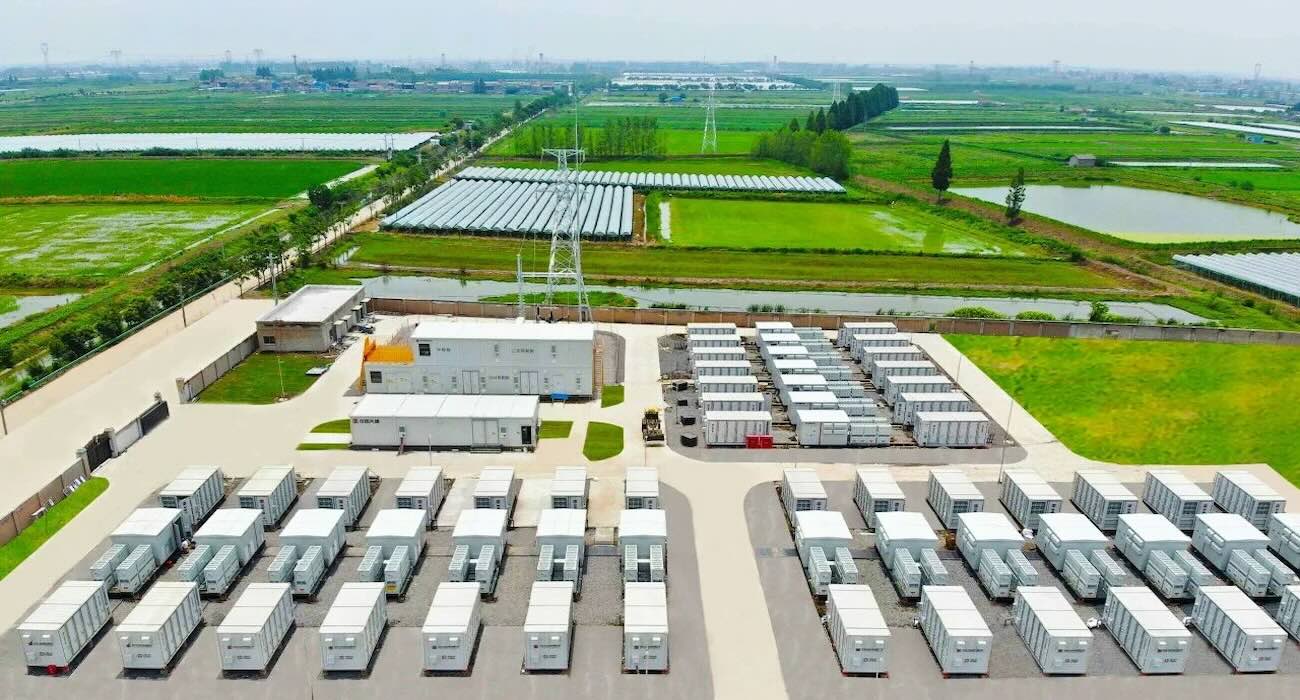
Last year, data centres already consumed as much electricity as Saudi Arabia, which ranks as the world’s 11th largest electricity consumer.
If electricity use doubles as projected by 2030, the associated carbon footprint would require 6.7 billion trees grown over ten years to offset this demand.
Data centres would also require 9.3 trillion litres of water and land nearly ten times the size of Mexico City.
Beyond resource use, the report also underscores the structural inequity at the heart of the AI boom, with only 32 nations hosting AI-specific cloud infrastructure and 90% of that capacity located in the US and China.
It warns of a widening digital divide between nations that build and control AI systems and those that consume them, with the latter often bearing a disproportionate environmental burden caused by mineral extraction and e-waste.
Responsible AI use
Two main forces shape AI’s operational footprint: how much we use it and how we use it.
This involves all tasks AI models perform, from text and code generation to image and video. Each of these tasks requires different levels of computational effort.
The model choice also matters as each AI system performs these task with distinct energy and environmental costs.
The report argues responsible AI requires full value-chain governance, from mineral sourcing to recycling and safe disposal.
It calls for a twinning of capability and environmental stewardship – thinking about both what AI can do for us and the protection of the natural environment.
This would mean making environmental disclosures a routine part of AI development, at both the model and task level, and incorporating projected AI demand in climate and energy planning.
Responsible AI is crucial as countries are promoting and adopting AI across government and the public sector.
In Aotearoa New Zealand, the government has launched a national AI strategy and a public service AI framework.
While the framework was informed by the OECD’s values-based AI principles, including inclusive and sustainable development, there is no requirement for environmental disclosures and no regulator compiling energy use or emissions.
Likewise in Australia, improving public services is part of the national AI plan. For example, the National Film and Sound Archive of Australia has created Bowerbird, a machine learning-enabled mass audio and video transcription engine, to document material. The Department of Veteran’s Affairs has developed a proof-of-concept tool to see whether AI can help speed up the processing of claims.
Both countries take a deliberate “light touch” and principles-based regulatory approach to AI. But this approach risks overlooking the growing environmental cost of AI that can’t be solved by improving it.
The natural environment is foundational to the economy, culture and wellbeing. It should be at the centre of our thinking. It’s time to rethink the AI innovation playbook and shift focus toward a sustainable tech future.
Amanda Turnbull-McRae, Senior Lecturer in Law, University of Waikato
This article is republished from The Conversation under a Creative Commons license. Read the original article.