Luxury tourism is a risky strategy for African economies – new study of Botswana, Mauritius, Rwanda

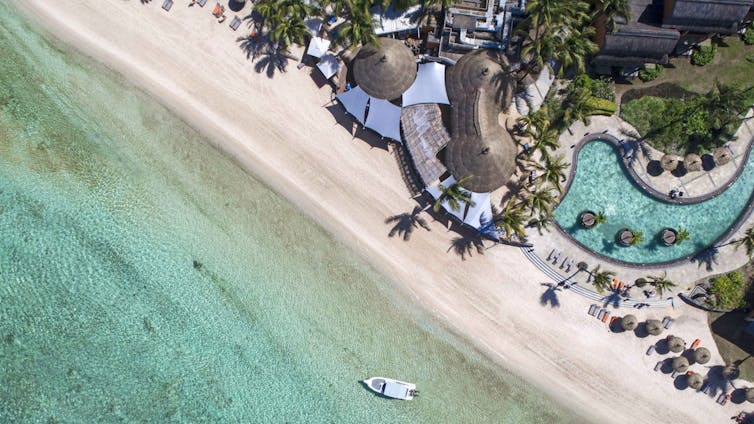
Mauritius led the luxury tourism trend in Africa with all-inclusive resorts. Heritage Awali/yourgolftravel.com, CC BY-NC-ND Pritish Behuria, University of Manchester

How successful is luxury tourism in Africa? What happens if it fails to produce higher tourism revenues: can it be reversed? And does it depend on what kind of government is in place?

Pritish Behuria is a scholar of the political economy of development who has conducted a study in Botswana, Mauritius and Rwanda to find answers to questions like this. We asked him about his findings.


What is luxury tourism and how prevalent is it in Africa?

Luxury tourism aims to attract high-spending tourists to stay at premium resorts and lodges or visit exclusive attractions. It’s a strategy that’s being adopted widely by governments around the world and also in African countries.

It’s been promoted by multilateral agencies like the World Bank and the United Nations, as well as environmental and conservation organisations.

The logic underlying luxury tourism is that if fewer, high-spending tourists visit, this will result in less environmental impact. It’s often labelled as a “high-value, low-impact” approach.

However, studies have shown that luxury tourism does not lead to reduced environmental impact. Luxury tourists are more likely to use private jets. Private jets are more carbon intense than economy class travel. Supporters of luxury tourism also ignore that it reinforces economic inequalities, commercialises nature and restricts land access for indigenous populations.

In some ways, of course, the motives of African countries seem understandable. They remain starved of much-needed foreign exchange in the face of rising trade deficits. The allure of luxury tourism seems almost impossible to resist.

How did you go about your study?

I have been studying the political economy of Rwanda for nearly 15 years. The government there made tourism a central part of its national vision.

Over the years, many government officials and tourism stakeholders highlighted the challenges of luxury tourism strategies. Even so, there remains a single-mindedness to prioritise luxury tourism.

I found that, in Rwanda, luxury tourism resulted in a reliance on foreign-owned hotels and foreign travel agents, exposing potential leakages in tourism revenues. Crucially, tourism was not creating enough employment. There was also a skills lag in the sector. Employees were not being trained quickly enough to meet the surge of investments in hotels.

So I decided to investigate the effects of luxury tourism in other African countries. I wanted to know who benefits and how it is being reversed in countries that are turning away from it.

I interviewed government officials, hotel owners and other private sector representatives, aviation officials, consultants and journalists in all three countries. Added to this was a thorough review of economic data, industry reports and grey literature (including newspaper articles).

What are your take-aways from Mauritius?

Mauritius was the first of the three countries to explicitly adopt a luxury tourism strategy. In the late 1970s and early 1980s the government began to encourage European visitors to the island’s “sun-sand-sea” attractions. Large domestic business houses became lead investors, building luxury hotels and buying coastal land.

Over the years, tourism has provided significant revenues for the Mauritian economy. By 2019, the economy was earning over US$2 billion from the sector (before dropping during the COVID pandemic).

However, tourism has also been symbolic of the inequality that has characterised Mauritius’ growth. The all-inclusive resort model – where luxury hotels take care of all of a visitor’s food and travel needs themselves – has meant that the money being spent by tourists doesn’t always enter the local economy. A large share of profits remains outside the country or with large hotels.

After the pandemic, the Mauritian government took steps to loosen its focus on luxury tourism. It opened its air space to attract a broader range of tourists and re-started direct flights to Asia. There’s growing agreement within government that the opening up of tourism will go some way towards sustaining revenues and employment in the sector. Especially as some other key sectors (like offshore finance) may face an uncertain future.

And from Botswana?

Botswana followed Mauritius by formally adopting a luxury tourism strategy in 1990. Its focus was on its wilderness areas (the Okavango Delta) and wildlife safari lodges. For decades, there were criticisms from scholars about the inequalities in the sector.

Most lodges and hotels were foreign owned. Most travel agencies that booked all-inclusive trips operated outside Botswana. There were very few domestic linkages. Very little domestic agricultural or industrial production was used within the sector.

Guides take tourists across Botswana’s Okavango delta in boats. Diego Delso/Wikimedia Commons, CC BY-SA

However, I found that the direction of tourism policies had also become increasingly political. Certain politicians were aligned with conservation organisations and foreign investors in prioritising luxury tourism. Former president Ian Khama, for example, banned trophy hunting on ethical grounds in 2014. He pushed photographic tourism, where travellers visit destinations mainly to take photos. But critics allege he and his allies benefited from the push for photographic tourism.

Photographic tourism is closely linked with the problematic promotion of “unspoilt” wilderness areas that conform to foreign ideas about the “myth of wild Africa”.

President Mokgweetsi Masisi reversed the hunting ban once he took power. He argued it had adverse effects on rural communities and increased human-wildlife conflict. He believed that regulated hunting could be a tool for better wildlife management and could produce more benefits for communities.

Since the latter 2010s, Botswana’s government has loosened the emphasis on luxury tourism and tried to diversify tourism offerings. It has relaxed visa regulations for Asian countries, for example, to allow a wider range of tourists to visit more easily.

What about Rwanda?

Of the three cases, Rwanda was the most recent to adopt a luxury tourism strategy. However, it has remained the most committed to this strategy. Rwanda’s model is centred on mountain gorilla trekking and premium wildlife experiences. It’s augmented by Rwanda’s attempt to become a hub for business and sports tourism through high-profile conferences and events.

Gorillas are a key attraction for luxury tourists in Rwanda. Gatete Pacifique/Wikimedia Commons, CC BY-SA

Rwanda invited global hotel brands (like the Hyatt and Marriott) to build hotels and invested heavily in the country’s “nation brand” through sponsoring sports teams. The “luxury” element is managed through maintaining a high price to visit the country’s main tourist attraction: mountain gorillas. Rwanda is one of the few countries where mountain gorillas live.

After the pandemic, the government lowered prices to visit mountain gorillas but has also regularly stated its commitment to luxury tourism.

What did you learn by comparing the three?

I wanted to know why some countries reverse luxury tourism strategies once they fail while others don’t.

It is quite clear that luxury tourism strategies will always have disadvantages. As this study shows, luxury tourism repeatedly benefits only very few actors (often foreign investors or foreign-owned entities) and does not create sufficient employment or provide wider benefits for domestic populations. My research shows that the political pressure faced by democratic governments (like Botswana and Mauritius) forced them to loosen their luxury tourism strategies. This was not the case in more authoritarian Rwanda.

Rwanda’s position goes against a lot of recent literature on African political economy, which argues that parties with a stronger hold on power would be able to deliver better development outcomes.

While that may be case in some sectors, the findings of this study suggest that weaker political parties may actually be more responsive to changing policies that are creating inequality than countries with stronger political parties in power.The Conversation

Pritish Behuria, Reader in Politics, Governance and Development, Global Development Institute, University of Manchester

This article is republished from The Conversation under a Creative Commons license. Read the original article.

Read More........

Namibia halts Starlink operations amid licensing dispute

The news comes just days after fellow African nation Chad approved Starlink to begin operations in the country Namibia’s Communications Regulatory Authority (CRAN) has ordered Starlink, the satellite internet provider owned by Elon Musk’s SpaceX, to cease business for operating without license in the country. While Starlink has filed an application for an operating license, the CRAN has yet to grant it, and has cautioned consumers against purchasing or using Starlink equipment. “The public is hereby advised not to purchase Starlink terminal equipment or subscribe to its services, as such activities are illegal,” said an emailed statement. “Investigators have already confiscated illegal terminals from consumers and have opened criminal cases with the Namibian police in this regard.” The escalation highlights Starlink’s ongoing challenges in establishing a foothold in Africa, where it faces regulatory hurdles and resistance from a number of state-owned telecoms monopolies. However since the start of 2023, Starlink has been launched in 15 African countries. Starlink’s services, which are promoted as helping to bridge the digital divide in rural and underserved areas, are often seen as disruptive to local telecoms markets. Indeed, this month Starlink has faced allegations of predatory pricing in Kenya, aimed at luring away customers from local service providers, though the national competition regulator says it will not be investigating the issue. Disruption from Starlink’s presence in national telecoms markets will only increase as the company begins to offer direct-to-device connectivity, which it is currently testing in the US with T-Mobile. It is worth noting that claims of operating without a licence is nothing new for Starlink. Similar issues have arisen in other nations, such as Cameroon, where authorities have also seized Starlink equipment for operating illegally. Namibia halts Starlink operations amid licensing dispute
Read More........

The importance of saving and investing

Consumer Education

Your financial wellbeing starts with financial literacy. The more you know, the better equipped you are to plan and manage your finances.

AVBOB proudly brings you Mutual Wellness in 60 Seconds, a series on financial wellness matters, and all things ‘mutual’.

As Africa’s largest mutual society, AVBOB takes your financial health seriously.

In the video below, we look at the importance of saving and investing.

Saving and investing

Whether it’s being prepared for life’s challenges or reaching your financial goals, savings can assist to make things happen.

Despite tough economic conditions, you don’t have to give up your dreams of financial stability, quality education, a well-earned holiday or an emergency fund. The secret to successful investing is to start small.

You can always increase the amount you invest. However, the key is to simply start… the sooner the better.Did you know that AVBOB offers 5-year and 10-year investment accounts that let you save from as little as R250 per month? Over and above the interest that you will receive, you will also be eligible to get bonuses and other benefits that come with the investment plan. The importance of saving and investing
Read More........

Why does tourism sector matter for South Africa’s economy?


Before the arrival of the COVID-19 pandemic to our shores, the tourism sector contributed 3.7% to the national Gross Domestic Product (GDP).

We continue to make steady progress as we recover by injecting some 2.3% in the year 2021.

Our industry has a huge impact on the services sector, manufacturing, and agriculture.

It employs a significant number of young people in both urban and rural settings.

Tourism has very few barriers to entry for both skilled and unskilled workers.

For many years, tourism has been in the top 3 export earnings level for the country. This is a critical industry that needs to be leveraged better by all of us in both the private and public sectors.

In recent times, we have seen some of our sector’s listed establishments realising significant revenue growth as they released their financial results.

These results demonstrate the strength of tourism, and therefore, the need to give the sector more attention and support.

What this translates to, are real jobs for people. As the private sector lobby, we have partnered with organisations such as the Youth Employment Service (YES) to provide workplace experience for young people interested in tourism as a career.

The entire value-chain of the industry is committed to this initiative. We are walking the talk. Our TBCSA office, for example, has transferred skills through interns who have graduated to full-time members of staff in the last four years.

One of our interns has taken her on-the-job training to a work opportunity overseas.

Many of our partners have similar stories to tell, and we continue to recruit more young people across the value chain of the tourism industry.

Like many of its African peers, South Africa has a large population of young people, who through their skill and talent, can significantly contribute to economic growth.

The United Nations (UN) highlights the benefit of having young people as part of the workforce, which it refers to as the "youth dividend".

The UN says economic growth occurs when there are more people of working-age (15 to 64) than those of non-working age (below 14 and over 65).

Many of these young people are found in rural settings of South Africa.

These areas would thrive if proper support was given to grow our rural economies.

We need to be a country where people in the outskirts do not think moving to urban areas is their only solutions to putting food on the table.

The tourism sector is perfectly poised to function in these under-served hinterlands.

We can offer not just cultural tours, but jobs for those who reside in these areas. What these remote areas are crying out for, is undivided attention that’s purposeful.

We are committed to this cause and believe that we need to hold hands to intentionally employ as many young South Africans as possible.

Another key area we are keen to advance in the tourism sector, is establishing a robust working relationship with some of the country’s development finance institutions (DFIs).

We appreciate the support we have received from players such as the DBSA, IDC, and SEFA on our journey so far. However, more support is needed.

The launch of the Tourism Equity Fund, together with other incentive programmes that are administered through the Department of Tourism, is critical for SMME development, entrenching transformation and inclusivity.

These programmes are critical and need continuous funding and support.

The jobs we create rely on our tourism businesses having sufficient capital investment to survive and thrive for future generations.

We need investment in infrastructure, especially in the age of energy supply challenges and scarce water supply.

Many businesses lack the funds to buffer themselves against these mountains that seem insurmountable at times.

That is why we appreciate the support and collaboration of broadcasters like eNCA in making tourism a cornerstone of job-creation and economic growth in South Africa.

When tourism thrives, other sectors follow.

The issues discussed in this article will form part of the broader discourse at the 3rd instalment of the TBCSA annual tourism leadership conference, taking place from 18-20 September 2024.

We look forward to seeing you there!

Article by: Jerry Mabena, Chairman of the TBCSA

Read More........

South Sudan Needs a Holistic Water Management Strategy to Break the Cycle of Water Insecurity and Fragility

By Firas Raad, World Bank Country Manager for South Sudan: South Sudan must leverage its water endowment and move towards a long-term development approach to address water insecurity

South Sudan faces a vicious cycle of water insecurity and fragility. Decades of conflict and social instability have undermined the ability of people and institutions to respond to water-related threats, so that once floods or droughts strike, the ensuing damage is even greater. In turn, failure to respond to these threats further exacerbates the drivers of conflict, pushing vulnerable communities to the brink. Climate change brings about more frequent and extreme floods and droughts, leading to greater water-related impacts and thus fueling the vicious cycle.

While current humanitarian modalities of water management have provided much needed relief and saved human lives, they are a blunt instrument for helping South Sudan break this cycle. Humanitarian and emergency responses, such as temporary embankment rehabilitation and provision of rural water points, are crucial to respond to urgent challenges and meet immediate needs. However, they are not well suited to provide long-term and cost-effective solutions to persistent water challenges. If water is to become an engine for recovery and development as opposed to a threat multiplier, South Sudan must embark on a gradual transition from humanitarian modalities of water management towards a long-term, government-led development approach.

Where does such a transition begin? Given the complexity of South Sudan’s water sector challenges, South Sudan urgently needs to start developing a holistic strategy for water management that would help guide this transition and include a wide range of stakeholders. The elaboration of this strategy is necessarily a political task and, as such, should follow an inclusive and iterative process that considers the perspective of a wide range of stakeholders, from state and county governments to community-level institutions. The Ministry of Water Resources and Irrigation is well placed to lead these efforts.

The importance of a government-led, strategic approach to water management is one of the key findings of the World Bank’s new report Rising from the Depths. The report provides the first comprehensive and independent water security assessment for the country since independence and identifies four action areas to be pursued moving forward.

Access to drinking water supply and sanitation is a key starting point. With 60% of the population (or about 6.6 million people) lacking access to basic drinking water supply and three out of four people practicing open defecation, foundational investments are needed to accelerate human capital attainment. This can be achieved by strengthening service delivery models for rural households, sustainable use and management of groundwater resources, and promotion of climate resilient solutions. Continued collaboration with international partners will be essential to deliver much needed water services.

Management of water-related ecosystems is also vital. The country’s wetlands and floodplains provide a range of ecosystem services, supporting livelihoods, regulating water flows, and providing habitats for biodiversity. There is a need to protect these assets, whose value is estimated to be at least $ 3.2 billion, and to further leverage water’s productive potential for livelihoods and irrigation. South Sudan’s solar irrigation adoption potential is among the highest in Sub-Saharan Africa but unfortunately remains untapped.

A third priority is disaster risk management. This requires building water infrastructure, including water storage. However, responding to floods and droughts is not just a matter of building infrastructure, but also of preventing populations from moving into harm’s way and of devising information systems and institutional arrangements to increase preparedness and early warning systems. In the short-term, the expansion of hydrometeorological services, early warning systems and delineation of flood and drought prone areas are urgently needed to reduce losses from floods and droughts.

None of this can be achieved in the absence of effective policy and institutional frameworks. This requires empowering and building the capacity of the sector’s human resources, updating, and achieving the ratification of the 2013 Water Bill, and developing a water resources master plan to guide investment prioritization over the next decade.

Large-scale river engineering is a risky endeavor in the absence of a broadly endorsed sector strategy, comprehensive environmental and social impact assessments, and strong capacity for strategic planning and infrastructure management. In the near-term, policymakers should prioritize community-level water storage and flood control alternatives that can be built over shorter time horizons, while mitigating harmful environmental and social externalities.The stakes are high. South Sudan needs to ramp up its efforts to manage its water-related challenges in this era of accelerating climate change. The World Bank stands ready to work in partnership with the government, civil society, the private sector, as well as regional and international agencies to enhance the country’s water security. South Sudan Needs a Holistic Water Management Strategy to Break the Cycle of Water Insecurity and Fragility
Read More........

Washington IMF team checks financial reforms in Juba

Mr. Nikko Hobdari the IMF Mission Chief for South Sudan, (L), Moses Makur Deng (C) Governor Central Bank and Simon Kiman Ladu, Simon Kiman Ladu the First Undersecretary Ministry of Finance and Planning (R) briefing the media after their meeting at the Ministry on Friday.

By Philip Buda Ladu

A visiting team of the International Monetary Fund (IMF) from Washington has completed a two weeks’ mission to Juba checking on the progress in the implementation of the Rapid Credit Facility (RCF) and Public Finance Management Reforms agenda by the government.

Chapter four of the Revitalized Peace Agreement calls on political leaders and stakeholders to ensure that the Revitalized Government of National Unity (R-TGoNU) exercise transparency, and accountability with legal institutional policies and procedures fully functional for sustainable development.

The International Monetary Fund (IMF) granted South Sudan RCF loans to help it fight hyperinflation, pay salary arrears, stabilize foreign exchange market to rescue its economy that had suffered shocks from the political crisis, drop in global oil prices and the Covid-19 economic constraints.

On 14th March 2022, Agak Achuil Lual, the Minister of Finance and Planning received the IMF team in his office headed by the Mission Chief for South Sudan, Mr. Nikko Hobdari and discussed issues related to the country’s economy.

The meeting also attended by Ministry of Finance Technical Team touched on economic reforms as reflected in Chapter four of the Revitalized Agreement and how best the international partners can support the reforms agenda the ministry has initiated.

Minister Agak noted that they have embarked on full implementation of the Public Financial Management Reform agenda in the country.

Mr. Nikko Hobdari, the IMF Mission Chief for South Sudan told journalists at the Ministry of Finance’s premises, Friday that they concluded their visit to Juba with meeting the Minister of Finance and the Central Bank Governor.

“We have been here as a team from Washington for the last two weeks, we have been having discussions with the Central Bank, Ministry of Finance, Members of Parliament. The First Deputy Speaker of the Parliament, other ministers and private sector. It has been productive meetings, we are impressed by the economic reforms in South Sudan, since we engaged the leadership of South Sudan for the one and half weeks,” Hobdari said.

He emphasized that the strategic reforms that have been introduced since March last year, it has brought some stability, in regard to the exchange market, reduced prices over the last 12 months and have discussed with the Minister of Finance and the Central Bank Governor on how to sustain those gains and achievements to make sure that stability if very important.

“We were also impressed by the plans of the Ministry of Finance to reduce salary arrears to support civil servants and other government employees by utilizing fuel prices rose by the global developments in recent weeks,” he added.

Moses Makur Deng, the Governor of the Central Bank, said the visiting IMF Washington team mission to Juba could be described as successful.

He said from their part as the monetary society of South Sudan the Rapid Credit Facility (RCF) funds that they had agreed for, can be seen as a successful story for what they have done for the exchange rate reform.

“The monetary targets that we set were all achieved, so what is important is how to continue with these reforms and maintain the stability that had been achieved since March last year,” Makur asserted.

“What is important is to sustain the interventions of the Bank in the foreign exchange market to stabilize exchange rate and that’s why the value of the South Sudanese Pounds is the main target now” the Central Bank Governor stressed. “We will be in close collaboration with the IMF team in Washington and the IMF team here in Juba” he added.

Meanwhile, Simon Kiman Ladu, the First Undersecretary in the Ministry of Finance Planning affirmed the mission of the IMF Washington team visit to Juba.

“The mission is about the Rapid Credit Facility (RCF) that the IMF had given to us to stabilize our economy in terms of salary payments; we have gone through credits and so forth” said Kiman.Additionally, he said “the other mission is about the article four that looks at how the government performs. We as the government are willing to do the reforms and we have taken these reforms seriously, it is our reforms and the IMF is helping us”. Washington IMF team checks financial reforms in Juba
Read More........

IMF approves $820m as part of Egypt bailout

WASHINGTON - The International Monetary Fund announced the immediate disbursement of $820-million to the Egyptian government, part of an augmented plan to aid the nation's stumbling economy.

The IMF's Executive Board validated the payment as part of a $3-billion aid program granted at the end of 2022.

The IMF action, repeatedly postponed and eagerly awaited by the Egyptian government, arrives at a time of mounting difficulties for its economy.

The Board also approved a $5-billion extension announced at the beginning of the month, bringing the Fund's total lending to Egypt to $8 billion.

In a news release, the IMF said that the Egyptian government has achieved all the objectives set out in the first two stages of the aid program, with the exception of the level of its foreign currency reserves.

"The authorities have significantly strengthened the reform package," IMF Managing Director Kristalina Georgieva said in the release.

"Recent measures toward correcting macroeconomic imbalances, including unification of the exchange rate... and significant tightening of monetary and fiscal policies, were difficult, but critical steps forward," she added.

Earlier this month, Egypt's central bank raised rates by six percentage points to 27.75 percent to combat inflation and bring the official exchange rate closer to the black market rate, causing the Egyptian pound to plunge 40 percent in one day, following a 50 percent fall over the last few months.

Nearly two-thirds of Egypt's 106 million inhabitants live below or just above the poverty line, and the country is facing a drop in foreign currency earnings, whether from tourism -- hit by the pandemic, then the war in Ukraine and now the war in the Gaza Strip -- or problems along the Suez Canal.

Attacks by Yemen's Huthi rebels in the Red Sea and Gulf of Aden have reduced dollar revenues from the canal, a crucial passage for world trade, by 40-50 percent since the start of the year, the IMF said.

Since taking power in 2013, President Abdel Fattah al-Sisi has embarked on a series of megaprojects which, economists believe, have not generated new revenues but severely limited the state's financial capacity.

Between 2013 and 2022, Egypt's foreign debt rose from $46 billion to more than $165 billion, according to World Bank data, making it the second country most at risk of default behind war-torn Ukraine.However, the IMF is fairly optimistic for the coming fiscal year, forecasting economic growth will rise 4.4 percent, compared with 3 percent for the current fiscal year ending June 30.IMF approves $820m as part of Egypt bailout
Read More........

The future of African banking

The future of banking is digital, and Absa CIB is working closely with financial technology (fintech) companies to shape that future. The relationship makes sense, says Robert Cousins, Head of Global Markets Digital Product at Absa Corporate and Investment Banking (CIB).

"Fintechs come with a niche set of capabilities, while as a large bank, we tend to take a more broad-based approach,” he says. “We know that we can’t build the capabilities for every new solution ourselves, so we partner with fintechs to develop those niche solutions.”

A few fintechs have caught Absa’s attention in the foreign exchange (forex, or FX) space – and while the tech often has application in corporate and investment banking, Cousins says that it usually starts out as a consumer solution.

Remittance solutions

“A lot of fintechs are producing diaspora solutions around cross-border remittances, which drive FX flows in Africa,” he says. “They typically don’t have banking licences, so they look to partner with banks to further the reach of their product. We provide them with FX liquidity, which they convert from developed market currencies into African currencies. We also help them with the ‘last mile’ remittance into the beneficiary account – whether it’s a bank account, a mobile money wallet or even a cash pickup in one of our branches.”

Cross-border remittances play a key role in FX liquidity, he adds. Foreign currency flows are boosted as euros, pounds and US dollars come into the continent from people who are sending money “home” to Africa.

“This is a very busy space, and as Absa CIB we have a strong appetite to work with remittance fintechs, because it gives us that FX liquidity,” he explains. “For example, if we have an importer client in Kenya who needs US dollars, we have to get those dollars before we can provide them to him. If we don’t have those FX flows coming in, we can’t service the other side of our business.”

The cross-border theme extends into cryptocurrencies and digital assets, where several fintechs are looking to disrupt Africa’s traditional remittance market. “And again, it starts off in the consumer space, before leading into CIB,” says Cousins.

Data Analytics

That’s not to say that fintechs aren’t active in corporate banking, though. Cousins points to a wide range of digital platforms that are helping corporate treasurers to better manage their FX.

“Among larger corporates, we’re seeing more and more data-driven solutions that help our clients to manage their risk,” he says. “For example, we’re working with a platform which captures the client’s full book of imports, exports and other FX flows and provides a whole suite of analytics. This gives them a risk management view and lets them look at alternatives to how they hedge and manage their risk.”

Another example is a fintech that helps the bank manage its own client base and risk management. “The value-add there is a whole bunch of analytics and insights that would take us ages to build ourselves,” Cousins says.

Solutions for Africa

While Africa has a number of tech hubs (Johannesburg, Cape Town, Nairobi and Lagos being chief among them), Cousins says that the biggest fintech developments are coming from global companies aiming to access the continent’s largely untapped markets.

“One example is a UK-based company that provides cross-border payment solutions to tier one banks that cater for Africa’s exotic corridors,” he says. “Then on the digital asset side, a good example is a distributed platform that largely uses dollar stablecoin (USDC) to facilitate FX flows from the US and UK into Africa.”

Sub-Saharan African currencies tend to be so illiquid that they are classified as “exotic” currencies. African markets are complex, and fintechs in developed markets are looking for partners who can navigate the local landscape for them, rather than having to build the capabilities themselves to manage those complexities. That’s why Absa is quite attractive. Our Pan-African footprint means we can help global fintechs reach into Sub-Saharan Africa.”- by Robert Cousins, Head of Global Markets Digital Product Absa CIB The future of African banking
Read More........

Two IMF Fixes That Could Channel Billions to Africa

The formula for allocating SDRs, an invaluable source of funding, was agreed in 1944 and channels the most money to the richest nations.

It is a truism that the countries and citizens that face the greatest challenges in tackling global problems - from pandemics and food inflation to the climate crisis - are they ones with the least financial resources to address them. Take Covid-19, for instance, in response to which the G7 spent over $6 trillion while the whole of Africa spent just $130 billion over 2020-21.

Novices to international economics might assume that the role of international financial institutions is, at least in part, to correct this. The International Monetary Fund (IMF), after all, is the lender of last resort for many countries, while the World Bank provides billions in loans and grants to low-income nations.

The reality, however, is that all too often, the mandate and instruments of these financial institutions are so limited that they, at best, offer temporary respite to poor countries and, at worst, exacerbate existing inequities.

There is no better example of this in relation to Africa than the recent fiasco around Special Drawing Rights (SDRs). These international assets were established by the IMF to supplement the reserves of member countries. They remain the IMF's only instruments that can provide "quantitative easing" for countries without specific conditions on the use of the finance.

In August 2021, the IMF issued $650 billion in SDRs ostensibly to support countries responding to Covid-19. Yet rather than distribute them based on need, the IMF's board, which is dominated by its largest shareholders - the world's wealthiest countries - decided to issue the SDRs to countries based on how many IMF shares they own. This meant that African countries, who collectively have just 5% of IMF shares, were allocated just $33 billion. Japan and China each got approximately $42 billion of SDRs. The US received $112 billion's worth.

Unsurprisingly, African leaders argued for more and received some support. In May 2021, France had proposed that $100 billion of wealthy countries' SDRs should be reallocated to low- and middle-income countries. A few months later, it committed to rechannel around $10 billion of its SDRs for this goal. In November 2021, China one-upped France by committing to rechannel $10 billion of its SDRs specifically to Africa.

Slowly but surely, more promises trickled in and, at the Paris Summit in June 2023, IMF Director Kristalina Georgieva announced that $100 billion of pledges had been collected. Approximately $60 billion of that, she said, was specifically pledged towards two of the IMF's distribution instruments - its Poverty Reduction and Growth Trust (PRGT) and a newly-created Resilience and Sustainability Trust (RST).

On paper then, it seemed an inequity in the SDR distribution had been - albeit partially and voluntarily - corrected. But a new problem emerged, and remains. Just a tiny proportion of the pledged $100 billion has been disbursed. African countries received just $10.9 billion through the PRGT in 2021-2, while only one country (Rwanda) has received a disbursement through the RST of $320 million. To put this in context, the African Development Bank (AfDB) has, as part of its normal business, approved projects to African countries over the same time period worth approximately $14.5 billion.

From an African perspective, then, it is clear that these international responses - from the initial skewed allocation to their general amorphous "pledges" - have been inadequate and should not be repeated in this or other contexts.

One short-term solution: 

Our view at Development Reimagined is that there are two key solutions to this disappointing outcome going forwards - one short-term and one long-term.

First, in the short-term - and especially as African countries continue to face significant fiscal challenges from the impact of Covid-19 as well as global food and fuel inflation and the need to take action on climate change - there is a strong case for wealthy countries to commit a specific and significant allocation of SDRs to Africa's own institutions, in particular the AfDB. The reallocation of SDRs to the AfDB is rightly a major focus of the COP28 discussions and top priority for the COP28 presidency.

France's $100 billion proposal should be maintained, with at least $50 billion of that earmarked for Africa, which accounts for over 50% of extreme poverty worldwide. If, say, each of the G7 plus three or four other countries were to contribute equally, this would require a pledge of around $5 billion of SDRs each for Africa. 50% of these reallocations ($25 billion) could go to the AfDB, 25% ($12.5 billion) to other African financial institutions, and the remaining 25% to other channels such as the RST or even bilateral swaps.

This is highly feasible, not just because of the disbursement capacity of these African institutions but because the AfDB and others are already designated as "prescribed holders" of SDRs. That means they can hold, convert, and use SDRs.

In addition, the AfDB over the last two years has been designing a "Hybrid Capital Instrument (HCI)" through which new SDRs can be leveraged 3-4 times to on-lend to member countries. It has announced that for the HCI to become operational, the AfDB needs at least five SDR contributor countries. Furthermore, some potential contributor countries have specific ongoing joint funds that could easily be replenished with SDRs. For instance, AfDB and China's Peoples Bank of China (PBOC) together run the Africa Growing Together Fund (AGTF), which was capitalised with $2 billion in 2014 and is due for renewal in 2024.

When it come to climate action, SDRs are also especially useful in that allow countries to address key challenges without incurring additional debt. With the ongoing COP28 forum focusing on innovative mechanisms for scaling up climate finance and development finance, this is a great opportunity for countries to commit to reallocating their SDRs through AfDB and other African financial institutions.

One long-term solution: The second solution to the SDR problem is more systemic and long-term. As our CEO recently explained in a session on global financial architecture reform, the need to reallocate SDRs to African countries would not have arisen if the African continent had a larger share of the $650 billion's worth of new SDRs in the first place.

The current "quota formula" for sharing SDRs was first agreed in 1944 by 44 founding countries. Of those countries, only four were African, of which two (South Africa and Egypt) were not yet independent. At the same time, some founding members, such as the UK and France, were still holding 35 other colonies and argued that this should afford them greater quota shares. This history, along with the SDR fiasco around Covid-19, raises the question of whether a long-term answer is to change the quota formula.The fiasco of SDRs in Africa has shown that the mandate and instruments of financial institutions such as the IMF are far too limited to address the world's current and future problems. If the G7, G20 and other groups of wealthy countries are truly committed to managing future global financial challenges and tackling the climate crisis worldwide, then reallocating SDRs to Africa and African institutions as soon as possible, followed by significantly rectifying the IMF's quota formula in Africa's favour, should be at the top of their agenda. Two IMF Fixes That Could Channel Billions to Africa
Read More........

World Bank Development Loan to Bring Change to Coal-Dependent South Africa?

Cape Town — The World Bank Board has announced in a press release that a U.S.$1 billion Development Policy Loan (DPL) has been offered to support the government's efforts to promote long-term energy security and a low carbon transition. The World Bank intends for the loan to tackle two aspect's of the nation's energy crisis:It will facilitiate the restructuring of the energy sector via the unbundling of Eskom, the nation's embattled power utility which recently saw board chairperson Mpho Makwana step down from the position. This is intended to redirect resources towards investments and maintenance of existing power plants.
Secondly, it will support a low carbon transition, most notably through private investment in sustainable energy including by households and small businesses, and strengthening carbon pricing instruments.

The move comes as the nation faces a protracted energy crisis which has had a marked negative impact on productivity and safety. Additionally, plans for a Just Energy Transition Partnership (JETP) are underway with Presidential Climate Commission Commissioner Joanne Yawitch saying in December 2022 that initial funding of about U.S.$86 billion (R1.5 trillion) to transition to a low carbon and climate resilient society for the five-year period 2023-2027. A JET, according to the Paris Agreement, rests on creating decent work and quality job opportunities, and implementing climate policy in a way that is fair, inclusive and leaves no one behind.

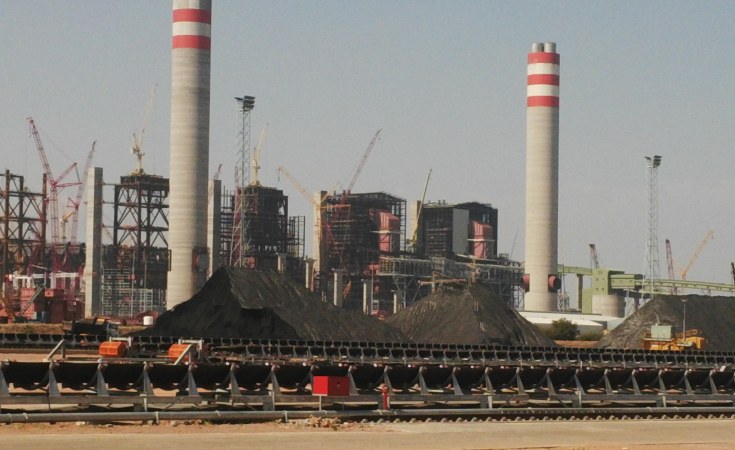
Whether meaningful change can come from the World Bank funding will have to be framed against other additional difficulties, one of the most important being the nation's reluctance to transition away from coal use. 85% of South Africa's electricity is produced in coal power plants, The Conversation Africa reported. This is much higher than all countries except Mongolia and Kosovo, both of which have a higher dependency with much smaller populations of three million and two million respectively. "South Africa's dependence on fossil fuels gives rise to a range of climate, energy and transition risks, especially for affected workers, communities, businesses and exporters. However, embracing new economic opportunities in green technologies can drive industrial development and innovation, leading to a sustainable and resilient future with decent work, social inclusion and lower levels of poverty," Yawitch said in 2022, according to SAnews.

South Africa's population currently stands at 62 million. Under the nation's current Integrated Resource Plan (IRP), which charts the nation's energy mix plan for the next few decades, 11.3GW of coal power at seven old plants are scheduled to be decommissioned by 2030. However, the legislation is currently under review with a draft IRP expected to be published for comment before the end of 2023. Furthermore, a new study from the Centre for Research on Energy and Clean Air has found delaying the decommissioning of South Africa's coal fleet may help with load shedding, but it will cause thousands of air pollution-related deaths and comorbidities, Daily Maverick reported. World Bank Development Loan to Bring Change to Coal-Dependent South Africa?
Read More........

'Full government support' for Niger uranium project : Uranium & Fuel

The ramp leading to the Dasa ore body pictured in April, when it had reached a depth of 325 metres - 40% of the way to reach the ore level (Image: Global Atomic)
The Government of Niger has confirmed its "full support" for Global Atomic Corporation's Dasa uranium project, the company has said. The project is still pencilled in to make its first yellowcake deliveries in 2025 and remains unimpaired by a recent US decision to put a hold on US Development Bank financing following the coup that took place in Niger earlier this year

The US State Department on 10 October officially designated the events in the African republic at the end of July 2023 as a coup d’état. Most US assistance to the government of Niger, with the exception of humanitarian, food and health assistance, has now been suspended pending action by Niger to return to "democratic governance". This includes US Development Bank financing.

Toronto-headquartered Global Atomic, which is developing the high-grade uranium deposit 105km south of the established uranium mining town of Arlit, said it has been "engaged in contingency planning with parties interested in non-dilutive financing options at the operating level" from groups interested in buying uranium from the mine.

Existing uranium offtake agreements with utilities are unaffected by the State Department decision, the company said, and the company has "no immediate need to finance" as it has sufficient cash on hand for the next 12 months. The company recently announced its third offtake agreement - for the sale of up to 3.5 million pounds U3O8 (1346 tU) from the project to a North American utility beginning in 2026 - and said it has received additional Requests for Proposal for uranium offtake agreements from utilities. Nearly 1.5 million pounds U3O8 per year over the first five years of the mine's operation, representing nearly 30% of scheduled production, are now contracted under such offtake agreements.

"The Government of Niger has confirmed its full support for the Dasa Project and recognises it’s a new mine that will benefit the Republic of Niger by creating new jobs and opportunities for local business and revitalise the northern region of the country," Global Atomic President and CEO Stephen Roman said. “The Government has offered its encouragement in the development of Dasa and all support required to accelerate construction and the start of mining operations.”

Logistics issues regarding importing goods into Niger are being addressed by the government, which has recently given full approval for the transport of goods via ports in Ghana and Togo and overland via Burkina Faso, the company added. Internal flights are expected to be restored shortly.

Mine excavation began at Dasa in 2022, and the project's 2021 Phase 1 Feasibility Study estimates yellowcake delivery to utilities to begin in 2025. A revised mine plan for Dasa that will integrate recently updated mineral resource figures is nearing completion and will form the basis of a revised feasibility study to be completed in the first half of 2024, the company said.Researched and written by World Nuclear News'Full government support' for Niger uranium project : Uranium & Fuel - World Nuclear News
Read More........

At G-20, Biden announces ambitious corridor connecting India, Europe

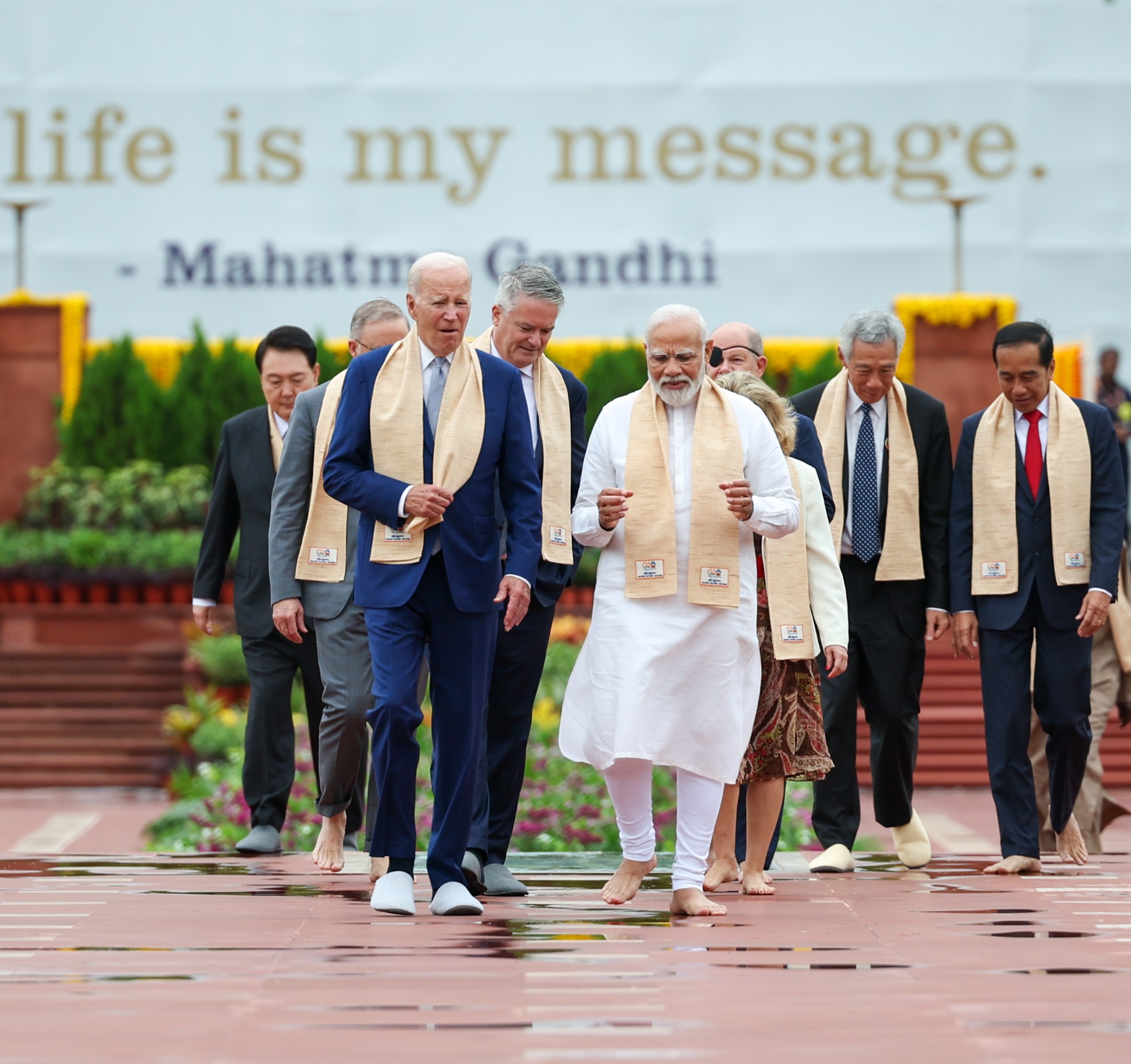
President Biden with PM Modi at Raj Ghat Sept. 10, 2023. PHOTO: X @narendramodi

NEW DELHI – President Biden and several other world leaders announced plans here Saturday afternoon for a new rail and shipping corridor that would connect India and Europe through the Middle East, an ambitious proposal aimed at further connecting a volatile region and countering China’s years-long backing of massive infrastructure projects around the world.

The announcement solidified a preliminary agreement among a range of participants – including the United States, India, Saudi Arabia, Jordan, Israel, the United Arab Emirates and the European Union – and came as leaders of the world’s largest economies tried to work through divisions on a range of thorny issues.

By midafternoon, the leaders here had reached consensus on a 37-page joint declaration on 83 points, several of which referred to Russia’s war in Ukraine. The debate over the war led some to predict that such a statement would prove elusive, particularly given that Russia is a member of the G-20. But they arrived at language that stated that “all states must refrain from the threat or use of force to seek territorial acquisition,” and also stated that “the use or threat of use of nuclear weapons is inadmissible.” The language was not as pointed as it was during last year’s conference and did not explicitly name Russia as the aggressor in the war.

The leaders did highlight the “suffering and negative added impacts of the war in Ukraine” on a range of issues, including global food supply and energy security. But in the dry language of diplomacy, the statement added, “There were different views and assessments of the situation.”

In a Facebook post, Ukraine’s Foreign Ministry spokesman Oleg Nikolenko said the G-20 has “nothing to be proud of” on the language over Russian aggression in Ukraine, and he offered his own edits of how the portions regarding Ukraine should have been written.

The declaration in another section also formalized that the United States would host the G-20 in 2026, overcoming some late opposition from China.

“This is a significant milestone for India’s chairmanship and vote of confidence that the G-20 can come together to address a pressing range of issues and also to deal with hard issues that actually very much [divided] some members from others – including, obviously, Russia’s brutal war against Ukraine,” Jake Sullivan, the national security adviser, said shortly after the deal was reached.

“I have got good news. From our team’s hard work, we have reached an agreement on the G-20 declaration,” Prime Minister Narendra Modi, the summit’s host, said in Hindi, prompting a long round of applause from the G-20 leaders.

Biden came to the conference determined to try to showcase that the G-20 can maintain its relevance even after Chinese President Xi Jinping and Russian President Vladimir Putin sent deputies instead of attending themselves, amid tensions over the war in Ukraine.

Asked whether Xi’s absence affected the summit, Biden said, “It would be nice to have him here but, no, the summit is going well.”

Shortly after the declaration was announced, Biden joined other leaders to announce the rail corridor.

“This is a big deal,” he said. “This is a real big deal.”

The cost of the project was unclear, but senior Biden administration officials view it as a way to link key areas of the world, India to Europe, opening up new trading partnerships and a flow of energy and digital information. Also significant is having Israel working with a historical adversary such as Saudi Arabia; Biden is separately hoping to broker a deal to normalize relations between the two countries.

Deputy national security adviser Jon Finer noted the significance of reaching an agreement in an area that “has, obviously often been a net exporter of turbulence and insecurity.”

“Linking these two regions, we think, is a huge opportunity, building on our broader efforts over the last couple of years to turn the temperature down across the region,” Finer said.

Officials in the countries involved are expected within 60 days to come up with a timeline for the projects – linking energy grids, laying undersea and overland cables, and providing more digital connections. Some of the tasks involve installing hydrogen pipelines from Israel to Europe, which administration officials hope will advance clean energy goals.

The summit took place against the backdrop of a city that largely has been shut down amid tight security, with police officers standing at nearly every intersection and shops and restaurants closed.

Most of the conference meetings were closed to the news media, but Biden entered the opening session planning to outline his opposition to Russia’s invasion of Ukraine.

American officials unsuccessfully lobbied to have Ukrainian President Volodymyr Zelensky address the conference, something he did in person during a Group of Seven gathering in Hiroshima, Japan, and which he did virtually during last year’s G-20 in Bali.

“Our view is that it is fundamentally a good thing when President Zelensky is able to make his case and Ukraine’s case for, you know, how damaging this conflict has been to his people and to his country,” Finer said. “He is the most effective messenger for that. And it’s certainly in a format in which, you know, Russian representatives will be able to give their views about the conflict that is appropriate for Ukraine to be able to offer its perspective.”

Biden arrived at the summit on Saturday morning, walking down a long corridor to greet Modi. “How are you?” he asked as he approached, appearing to jog up a slight incline before the two leaders shook and held hands while examining a G-20 logo that had the motto, “One Earth. One Family. One Future.”

They later met in a large room with three rows of desks in an oval, a chandelier hanging above them and small flags denoting where each country’s leader was to sit.

During the first session, Biden was between British Prime Minister Rishi Sunak and Indonesian President Joko Widodo. Before Biden sat down, several others greeted him, among them leaders from Australia, the Netherlands, Germany and Nigeria.

“This period in the 21st century is a time to give the entire world a new direction. It is a time when age-old problems are demanding new solutions from us,” Modi said in an address to the global leaders as he sat behind a nameplate reading not India but Bharat – the Hindi name for the country – signaling a branding shift that has been the source of controversy for many in the nation.

The negotiations over a joint communiqué had been difficult, especially around language regarding the Ukraine war.

While it did note the harm of the war and the importance of territorial sovereignty, it did not name Russia as the perpetrator and was less direct in some of the language than was agreed to last year during the G-20 in Bali. At that meeting, while noting there were some disagreements, it referred to a U.N. resolution that “deplores in the strongest terms the aggression by the Russian Federation against Ukraine and demands its complete and unconditional withdrawal from the territory of Ukraine.”

When asked about the change in text over the course of a year, Indian Foreign Minister S. Jaishankar said that some conditions have changed in the war.

“Bali was Bali and New Delhi was New Delhi,” he said. “Bali was a year ago and the situation was different. Many things have happened since then.”

He went on to add, “One should not have a theological view of this. New Delhi declaration is responding to the situation of today just as the Bali declaration did to the situation a year ago.”

The language also was the result of a lengthy negotiation. India’s chief G-20 coordinator, Amitabh Kant, said that Brazil, South Africa and Indonesia were helpful in reaching consensus.

“It was a tough, ruthless negotiation that went on for several days nonstop,” he said.

Indian officials expressed frustration that the war has overshadowed other issues, such as successfully negotiating the African Union’s acceptance into the G-20. For the first time, a representative of the African Union joined the gathering, with the chairman of the 55-member bloc, Comoros President Azali Assoumani, being introduced by Modi.“For all our moral idealism in foreign policy, we accept things as they are and find a way around it,” said India expert Aparna Pande of the Hudson Institute. “At the end of the day, you work with what you got.”At G-20, Biden announces ambitious corridor connecting India, Europe
Read More........

Brics+ and the Tricky Business of Balancing Global Geopolitics

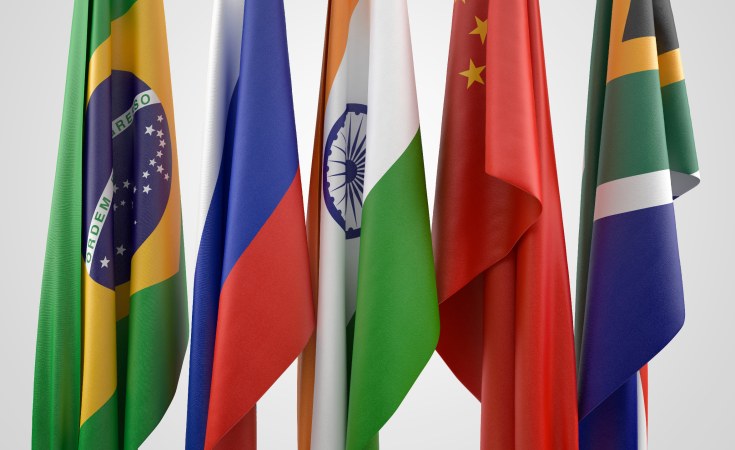
By Priyal Singh: Will an expanded BRICS precipitate a new international order, or collapse under the weight of its internal contradictions? The words of 13th century Persian poet Jalāl al-Dīn Muḥammad Rūmī, 'As you start to walk the way, the way appears,' certainly found new resonance in Johannesburg last week at the 15th BRICS Summit. Apart from expanding the diplomatic club to include Iran, Argentina, Egypt, Ethiopia, Saudi Arabia and the United Arab Emirates, the summit revealed the global south's growing disillusionment with the current structure of the international system. These frustrations have bolstered BRICS' appeal as a counterweight to leading Western countries, such as those composing the G7. More significantly, an expanded BRICS represents a resounding call for international reform by global south states, exclusive from, and in opposition to, traditional Western powers. This unprecedented moment reflects the shifting locus of global power, and has propelled an expanded BRICS to chart a way into unknown territory. Decisions over the nature and trajectory of global order were once the sole preserve of the European 'great' powers, along with the United States (US). The contemporary international system will undoubtedly be shaped by the Asia-Pacific region, Africa, the Middle East and Latin America. If global institutions fail to evolve, international cooperation on pressing issues will inevitably fail If global institutions fail to evolve and accommodate this reality, international cooperation on the most pressing issues of our time will inevitably fail. On paper, this is the fundamental challenge BRICS intends to address in order to bring about a more 'representative, fairer international order, [and] a reformed multilateral system.' How it does so, however, remains poorly defined.  One likely approach is to use the group's combined economic clout to pursue global governance, financial and justice system reform, and alternative paths on specific issues like climate change. Already, the current BRICS states' collective economic output (based on GDP adjusted for purchasing power parity) is roughly US$3 trillion larger than the G7, which includes Canada, France, Germany, Italy, Japan, the US and United Kingdom. (As a non-enumerated member, the European Union is excluded.) With six new BRICS members in 2024, this difference rises to just under US$11 trillion. However, economic output measured by GDP based on current exchange rates places the G7 as the larger combined economy (even with the six new BRICS members). Coordinated action on points of contention may not be as easy for BRICS as for the G7 Regardless, countries in the global south are increasingly poised to challenge the economic dominance of traditional powers. And based on the former's current growth trajectories, will decisively outperform the G7 economies over the coming decades. This combined economic influence could help to secure greater representation and fairer rules and procedures in the United Nations Security Council, International Criminal Court, World Bank and International Monetary Fund - among others alluded to in the BRICS Johannesburg II Declaration. However, coordinating common action on specific points of contention may not be as easy for the expanded BRICS grouping as for the G7. G7 countries have structured their cooperation on global matters around shared liberal political values and norms, particularly on democracy and civil liberties. While these have been threatened in recent years by the rise of populist right-wing administrations, G7 members' considerable normative and political alignment underpins their global economic clout. The expanded BRICS grouping, on the other hand, is a more arbitrary constellation of states with very different (and sometimes diametrically opposed) political systems and values. They range from progressive constitutional democracies to closed and repressive theocracies, to countries experimenting with hybrid authoritarianism. Ironically, BRICS may be in its ascendency due to its ambiguity and loosely articulated vision: An analysis of various governance variables across member countries, including perceptions of political stability, rule of law, government effectiveness and basic freedoms, reveals a high level of variance. Scores for each of these variables show a standard deviation from the mean that is often more than double that of G7 countries. That raises serious questions about BRICS' ability to pursue coherent, coordinated action on global institutional reform, despite members agreeing that the international system is unfairly structured. Without a robust normative basis for cooperation, disagreements over issues such as gender equality, individual rights and liberties, and the character of a new international order, could derail momentum needed for meaningful change.  Ironically, BRICS may well be in its ascendency due to its ambiguity and loosely articulated vision of multipolarity and a reformed international system. However, as the group expands and evolves into something more concrete, difficult issues may not be as easy to kick down the road as before. For example, how do all members justify provisions in the Johannesburg II Declaration on respecting international humanitarian law in conflict situations, increased participation of women in peace processes, and the promotion and protection of democracy, human rights and fundamental freedoms for all? Squaring these provisions with the brazen violations by certain current and incoming BRICS members will test the mettle of the diplomatic club. These contradictions must be overcome for BRICS to muster not only its economic clout, but the moral and political capital to pursue reforms and serve as a counterweight to the G7. Rumi's wisdom still rings true, but as the expanded BRICS group marches towards a new world order, the way ahead may be murkier than initially expected.Priyal Singh, Senior Researcher, Africa in the World, ISS Pretoria. Source: https://allafrica.com/
Read More........

Egypt announces new oil discovery in Gulf of Suez, amid rising energy demands

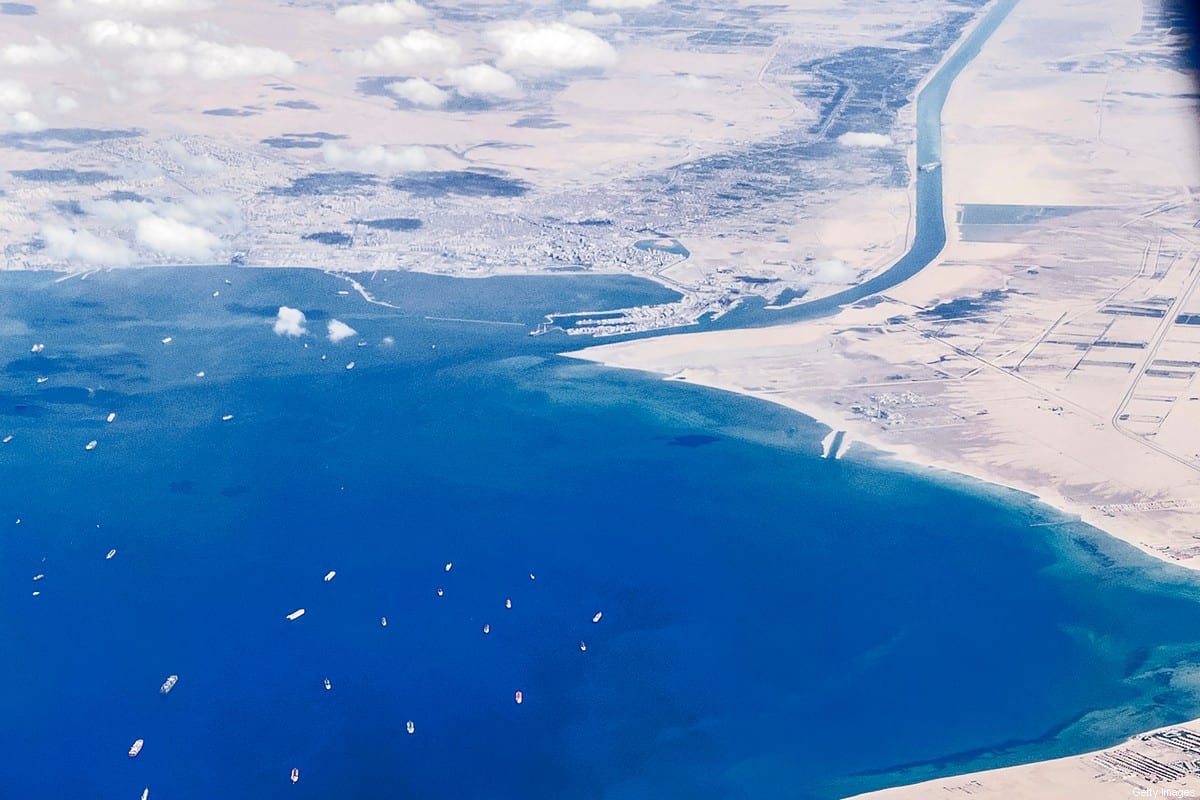
An aerial view taken on March 27, 2021 from the porthole of a commercial plane shows stranded ships waiting in queue in the Gulf of Suez to cross the Suez Canal at its southern entrance near the Red Sea port city of Suez [MAHMOUD KHALED/AFP via Getty Images]
Egypt has made a new oil discovery in the Gulf of Suez region, giving it more energy reserves and drilling opportunities amid rising domestic and foreign demand. According to Egypt’s Petroleum Ministry today, the company, Cheiron, made the new oil discovery in the Geisum and Tawila West Concession in the Gulf of Suez through exploration well GNN-11. It is the fourth well to be completed in the area, with another three wells set to be drilled in order to continue the current exploration phase. The GNN field reportedly holds significant promise, with its total output reaching around 23,000 barrels per day, in comparison to the 4,000 barrels per day prior to the development of the field. Cheiron currently holds a 60 per cent working interest in the concession, with the Kuwait Foreign Petroleum Exploration Company (Kufpec) holding the remaining 40 per cent stake. According to Cheiron, the “new Nubia discovery confirms the exploration potential in the northern area of the concession”. It added that “the discovery also demonstrates that while the Gulf of Suez is a relatively mature hydrocarbon province, it still has significant remaining exploration potential.” The discovery comes at a time when Egypt has been seeking to boost its energy production and reserves, particularly the production of natural gas in order to meet the rising energy demands from the domestic front and for exports to Europe.Last year, the value of Egypt’s natural gas exports reached $8.4 billion, an increase of 171 per cent from the previous year. In December last year, Egypt also discovered a large gas field off its north-eastern Mediterranean coastline, possessing potential reserves of 3.5 trillion cubic feet of gas. Source: https://www.middleeastmonitor.com/
Read More........

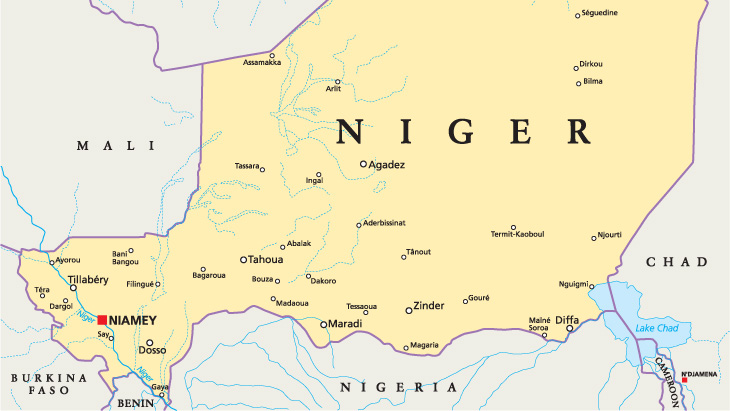
A guide: Uranium in Niger : Uranium & Fuel

Current events in Niger mean world attention is turning to the West African uranium-producing country. Here is an overview of Niger's uranium sector.  What has happened in Niger? After reports on 26 July that presidential guards had seized Niger's president, Mohamed Bazoum, General Abdourahmane Tchiani - also known as Omar Tchiani - went on national TV on 28 July and declared himself the new leader of Niger. Bazoum became president following a runoff election in February 2021 in which he won 55.67% of the vote. How much uranium does Niger produce? Niger produced 2020 tU in 2022, just over 4% of world uranium output. Current production is from the open-pit operations of SOMAÏR (Société des Mines de l’Aïr), near the town of Arlit. SOMAÏR is 63.4% owned by French company Orano and 36.66% owned by Sopamin (Société du Patrimoine des Mines du Niger). Sopamin manages Niger's state participation in mining ventures. According to data from the World Bank, uranium is Niger's second largest export, in monetary terms, after gold. What is Niger's uranium history? Uranium was first discovered at Azelik in Niger in 1957, and commercial uranium production began at Arlit - 900 km northeast of the capital Niamey - in 1971. COMINAK (Compagnie Minière d’Akouta) - also majority-owned by Orano - began production from an underground mine at Akouta in 1978, producing more than 75,000 tU before operations came to an end in 2021. The Societe des Mines d'Azelik SA (SOMINA) joint venture was set up in 2007 to mine at Azelik/Teguidda, 160km southwest of Arlit, in the Agadez region. 62% of SOMINA's equity is held by Chinese interests, with 37.2% by CNNC International. The government of Niger owns 33%, and 5% is owned by Korean interests. Azelik came into production at the end of 2010 but market conditions led to its being put on care and maintenance in 2015. China National Uranium Corporation has recently been carrying out studies towards the restart of production at SOMINA, according to social media posts by Niger's Minister of Mines Ousseini Hadizatou Yacouba in June this year. What other plans are in the pipeline? The Imouraren project is about 80km south of Arlit and about 160km north of Agadez. Operating company Imouraren SA - owned 66.65% by Orano Expansion (itself owned by Orano Mining with Korean companies holding 4.7%) and 33.35% by Sopamin and the State of Niger - was awarded an operating permit to mine the deposit in 2009 and excavations began in 2012, but development of the project was suspended in 2015 pending more favourable market conditions. The joint venture is now looking into the possibility of using in-situ leach methods to bring it into production. Dasa is a high-grade uranium deposit 105km south of the established uranium mining town of Arlit. First discovered in 2010, the project is 90%-owned by Toronto-listed Global Atomic Corporation and will operate under the company's Niger mining subsidiary SOMIDA (Société Minière de Dasa SA) which is 20%-owned by the government of Niger. Mine excavation began in 2022, with first deliveries to utilities expected to begin in 2025. Canada-based GoviEx Uranium holds mining permits for the Madaouela project, in the Agadez region. The company earlier this year had begun the project financing process to develop the project. GoviEx holds an 80% interest in the operating company COMIMA, with the remaining 20% held by the Republic of Niger. Who buys Niger's uranium? Niger supplies around 5% of the world's uranium, but is a leading supplier of uranium to the European Union. According to the Euratom Supply Agency, EU utilities purchased 2905 tU of Niger-produced uranium in 2021. This represented just over 24% of EU uranium imports, putting Niger slightly ahead of Kazakhstan as the EU's leading source of uranium. What they are saying "Regarding foreign nationals, Orano is in constant discussion with the French authorities. The group closely follows the instructions given by the French Embassy to give the opportunity to employees to leave Niger if they wish so. The group supports its Nigerien teams and thanks them for their professionalism. Activities at the operational sites in Arlit and Akokan as well as at the headquarters in Niamey are continuing." Orano, 1 August "While the situation in Niger remains volatile and there has been protesting in some parts of the capital, the rest of the country remains calm. Importantly, our people remain safe and normal business is being conducted at our offices and development of the Dasa Project continues. The neighbouring African countries union, ECOWAS, as well as the EU and USA have voiced their opinions to the Niger Junta currently running the Country and given a directive that the President and his Ministers be returned to power in 7 days. It is too early to speculate on the outcome of this mandate." Global Atomic CEO & President Stephen Roman, 31 July "GoviEx's operations in Niger continue as usual. Our employees are safe and continue to work diligently on our Madaouela uranium project, ensuring that our activities at both the Project site and our office in the capital city of Niamey proceed without interruption. We are currently able to meet all of our obligations to employees and suppliers, and we anticipate this stability to persist." GoviEx, 31 July "An attempt to overthrow the Nigerien government was announced in the press on July 26, 2023 and the situation remains unstable as at the reporting date of the financial statements. The group has set up a crisis unit to prioritise the safety of its employees. At the reporting date of the financial statements, Orano does not consider this event to have any immediate impact on its activities in Niger or on the value of its assets." Orano half-year results statement, 28 July "Following the recent resignation of the President in Niger, the Company's Dasa Project remains unaffected other than the borders and airport have been temporarily closed which will interrupt our supply lines in the short term … With an infrastructure that has supported uranium mining for over 50 years, an experienced mining work force and the highest-grade uranium deposit in Africa, Global Atomic remains committed to the development of the Dasa Project and the ensuing benefits to our shareholders and the people of Niger." Global Atomic, 27 July "GoviEx's operations in Niger remain unaffected by the current situation. We are committed to ensuring that our activities continue as normal, both at our Project site and our office in Niamey. GoviEx has always worked for the benefit of all stakeholders, including the people of Niger. We believe in the potential of the country and its people, and we remain dedicated to contributing positively to its socio-economic development. Niger has been a pro-mining country and despite changes in regime, has never experienced an interruption in its uranium mining activities over the last 50 years. This long-standing stability in the mining sector is a testament to the country's resilience and its commitment to development." GoviEx, 27 July "Informed of an attempt by certain members of the military to undermine the stability of democratic and republican institutions in Niger, which is tantamount to an attempted coup d'état, the Chairperson of the African Union Commission, HE Moussa Faki Mahamat, strongly condemns such actions by members of the military acting in total betrayal of their republican duty. He urges them to immediately cease these unacceptable actions." African Union, 26 JulyResearched and written by World Nuclear News  Source: World Nuclear News
Read More........