Volkswagen to cut at least 1 lakh jobs by 2030 in cost cutting measures
Mumbai, (IANS): German car manufacturer Volkswagen has announced to cut 1 lakh jobs by the end of the decade in a sweeping cost‑cutting plan, marking the largest restructuring in the global auto industry.
The German carmaker announced a further reduction of about 50,000 positions on top of nearly 50,000 job cuts already agreed, amounting to about 15 per cent of the group’s workforce.
The company decided to halve the number of car models the Volkswagen group produces, which includes the Bentley and Audi brands, and considers to shut down four production plants in Germany within the next eight years.
“Given intensifying global competition, shifting demand and technological change in the automotive industry, a consistent alignment of workforce capacity with economic reality is essential,” the Volkswagen Group said in a statement.
Volkswagen employs over 6.5 lakh people across brands including Skoda, Seat, Porsche, Cupra and Lamborghini.
The group plans to streamline its model portfolio by around 50 percent and reduce its offering complexity by around 75 percent by 2035.
“The prioritised models aim to excel in design and technology – and benefit from the focus on fewer variants: Higher volumes per model, lower costs, stronger economies of scale,” the statement said.
The Volkswagen Group is systematically tailoring its platforms, electronic architectures, driver assistance systems and software to the needs of both the Western and Eastern hemisphere, it added.
In North America, the Volkswagen Group will focus on the most profitable segments. In China, the Group is adapting to revised expectations for overall growth in the Chinese automotive market and is expanding its export business toward the “Global South,” the statement added.
The company said that portfolio of shareholdings and businesses will be rigorously assessed and streamlined by around one-third to retain only those with a clear strategic and financial contribution to the core business.
Hyundai Motor to expand global production capacity, launch over 100 models by 2030 (Photo: Yonhap)
Seoul, (IANS): Hyundai Motor said on Wednesday it plans to expand its overall production capacity by 1.27 million units by 2030 while rolling out more than 100 new and updated models to strengthen its presence in the global market.
Hyundai Motor CEO Jose Munoz outlined the plans at its CEO Investor Day event in Seoul as it seeks to bolster its competitiveness amid intensifying competition, particularly from Chinese rivals.
The South Korean automaker said it plans to introduce scores of brand-new or updated models within the decade, including facelifts, partial redesigns and other variants, with 18 all-new models included in the lineup, reports Yonhap news agency.
The company plans to launch the Genesis GV80 hybrid in South Korea and the United States later this year, followed by an extended-range electric vehicle (EREV) in the first half of 2027.
The Tucson SUV, one of Hyundai Motor's bestselling models, and its hybrid variants are also scheduled for launch in the second half of this year.
To support its expanded lineup and sales targets, Hyundai Motor plans to significantly increase its global production capacity by 2030, up from about 5 million vehicles at present.
The goal includes 500,000 units in North America, 320,000 in India, 200,000 in South Korea and 250,000 through completely knocked-down (CKD) production.
The company maintained its previously announced sales targets, including global sales of 5.55 million vehicles by 2030 and raising the share of electrified vehicles to 60 percent of total global sales by the same year.
Hyundai Motor also raised its 2030 operating margin target to above 9 percent from the previously projected range of 8-9 percent.
It maintained its 2026 margin guidance at 6.3-7.3 percent despite a challenging business environment marked by U.S. tariffs, geopolitical tensions in the Middle East and intensifying competition with Chinese rivals.
Maruti Suzuki chairman RC Bhargava addresses a press conference in New Delhi, on Dec 17, 2015. (IANS File Photo)
New Delhi, August 9 (IANS): The Indian car industry is projected to grow to 6.1 to 6.3 million units by FY2030-31 and the share of the small car market would grow significantly faster than its pace of growth in the last five years, RC Bhargava, Chairman, Maruti Suzuki India Limited, said on Sunday.
Bhargava said that GST reforms have given a new impetus not only to the automobile industry but to several sectors of the economy and “We are in the process of making as accurate an estimate as possible of the likely growth of the car market in the next five years”.
Maruti Suzuki India has released its ‘Annual Integrated Report 2025-26’, which highlights how the revival of the small car segment, the strengthening of the company’s SUV portfolio, its multi-powertrain strategy, focus on capacity expansion and robust export performance have created fresh momentum for growth.
The automaker registered its highest-ever annual sales of 24.22 lakh vehicles and record exports of 4.47 lakh vehicles in FY 2025-26.
Having achieved the 2 million sales mark for the third consecutive year, the company, supported by all the key growth drivers in place, is optimistic about reaching its next million-vehicle milestone earlier than anticipated, according to a statement.
Hisashi Takeuchi, Managing Director and CEO, Maruti Suzuki India Ltd, said that “we accelerated our capacity expansion plans. During FY2026-27, we added 500,000 units of manufacturing capacity”.
“Customer expectations continue to evolve rapidly. The company has plans to introduce 7 SUVs in the next 5 to 6 years to further strengthen SUV portfolio,” Takeuchi informed.
As India progresses towards becoming a developed nation by 2047, the automobile industry has both a responsibility and an opportunity to contribute meaningfully to this journey.“Through manufacturing, exports, technology development, employment generation, skill creation and sustainable mobility, Maruti Suzuki remains committed to supporting India's aspirations. The next million sales of vehicles represent far more than a volume milestone,” he mentioned. Indian car industry likely to reach 6.1-6.3 million units by FY31: Maruti Suzuki India Chairman | MorungExpress | morungexpress.com
Tata Motors targets 1.2 million annual PV sales by FY30, plans Rs 40,000 crore investment. (IANS File Photo)
New Delhi, July 8 (IANS): Tata Motors on Wednesday unveiled an ambitious five-year roadmap for its passenger vehicle business, targeting annual sales of more than 1.2 million units by FY30, a 20 per cent share of the domestic passenger vehicle market and revenues of Rs 1.4 lakh crore, backed by investments of nearly Rs 40,000 crore in products and manufacturing.
Speaking at the company's 81st annual general meeting held virtually on Wednesday, Tata Motors Chairman Natarajan Chandrasekaran said the automaker aims to achieve a tenfold increase in passenger vehicle volumes over the decade from FY20 to FY30.
"Looking ahead in the next five years, the company has a big ambition. Basically, the decade between FY20 and FY30, the company wants to achieve a 10x growth in volumes with an ambition of 1.2 million plus vehicles and achieve a market share of 20 per cent from the current 14.2 per cent," Chandrasekaran said.
The company plans to strengthen its product portfolio with six new nameplates and more than 20 product refreshes over the next five years, while focusing on improving profitability. It is targeting double-digit EBITDA margins, with electric vehicles expected to contribute more than 30 per cent of its passenger vehicle sales volumes by the end of the decade.
Managing Director and CEO Shailesh Chandra said the passenger vehicle business is aiming to achieve revenues of Rs 1.4 lakh crore by FY31, supported by double-digit EBITDA margins and an EBIT margin of more than 5 per cent.
"By FY31 TMPV aspires to Rs 140,000 crore revenues, double-digit EBITDA margins and over 5 per cent EBIT margin, driving PBT to over five times the current level," Chandra said.He added that the company's growth strategy will be supported by investments of around Rs 40,000 crore in new products and manufacturing capacity, while also targeting free cash flows of Rs 10,000 crore. Tata Motors targets 1.2 million annual PV sales by FY30, plans Rs 40,000 crore investment | MorungExpress | morungexpress.com
New Delhi, (IANS): Hyundai Motor India on Wednesday said it will increase prices of its vehicles by up to Rs 12,800 from June, citing rising input costs, higher commodity prices and increased operational expenses.
The company said the extent of the price increase will vary depending on the model and variant.
"In continuation to our earlier letter dated April 08, 2026, submitted in respect of price increase on Hyundai cars, considering the prevailing market conditions and to ensure balanced approach towards customer interest, we would like to inform that the new prices will now be made effective from June 1, 2026," the company said in a regulatory filing.
The automaker said the price increase has been necessitated due to rising input costs, increased commodity prices and higher operational expenses, among other reasons.
While the company continues to optimise costs and minimise the impact on customers, it is constrained to pass on a part of the increased costs to the market through the “nominal” price hike, the filing added.
The revised prices will come into effect from June 1 across Hyundai’s model range, the company said.
Earlier, another leading automobile firm, Maruti Suzuki India, announced a price hike of up to Rs 30,000 with effect from the same month.
"In view of the sustained increase in input costs, the company has decided to increase the prices of its models across its portfolio by up to Rs 30,000 with effect from June 2026," it said in its regulatory filing.
In addition, Mahindra and Mahindra (M&M) had increased prices for its SUV and commercial vehicles in April.
New Delhi, (IANS): Tata Motors Passenger Vehicles (TMPV) on Friday announced an increase of up to 1.5 per cent in prices across its passenger vehicle portfolio, including internal combustion engine (ICE) and electric vehicle (EV) models, effective July 1.
The company announced the price revision through a filing on the exchanges.
According to the company, the increase is aimed at partially offsetting the impact of rising input costs and continued inflationary pressures.
TMPV said it continues to absorb a significant portion of the cost escalation internally, while passing on a part of the increase to customers through the latest price adjustment.
The company added that the extent of the price hike will vary across models and variants.
The move will apply across Tata Motors’ passenger vehicle range spanning conventional fuel-powered vehicles as well as electric offerings, it added.
According to the automaker, the revision has been calibrated to ensure that the overall value proposition of its products remains intact despite cost pressures.
Following this, shares of the TMPV traded higher at Rs 385.60 on the BSE.
Other leading automobile companies have increasingly resorted to calibrated price hikes in recent months to protect margins while continuing investments in new products and technology.
Last month, Hyundai Motor India had announced a price increase of up to Rs 12,800 across its model range from June, citing rising input costs, elevated commodity prices and higher operational expenses.
More than a quarter million people are still alive thanks to improvements in air quality linked to “new energy” vehicles in the world’s largest auto market.
With more than 50% of all new cars sold last year in China being hybrids, EVs, or hydrogen-powered, the speed of the adoption has been incredible both for the market itself, but also for public health statistics.
Some 262,000 premature deaths attributable to car exhaust’s effect on the risk for lung cancer, stroke, respiratory diseases, and heart attack, along with 75,000 all-cause deaths estimated to be a result of air pollution, have been avoided according to a study using pollution data modeling.
Around 4 million people are believed to die from these each year, including 1 million in China alone.
Fossil fuel vehicles release a variety of pollutants from the tailpipe, including fine particulate matter of less than 2.5 micrometers (PM2.5), carbon monoxide, and nitrogen dioxide.
A study published on May 13th in Nature Health looked at satellite data from 150 Chinese cities. The authors estimated how much pollution has been removed by the adoption of new energy vehicles, and compared it to a counterfactual in which all cars were still fossil fuel powered—easy enough since this was the reality in China just 15 years ago.
The results were a 23.8% reduction in PM2.5, and a 30% reduction in carbon monoxide, resulting in some 320,000 fewer deaths from air pollution.
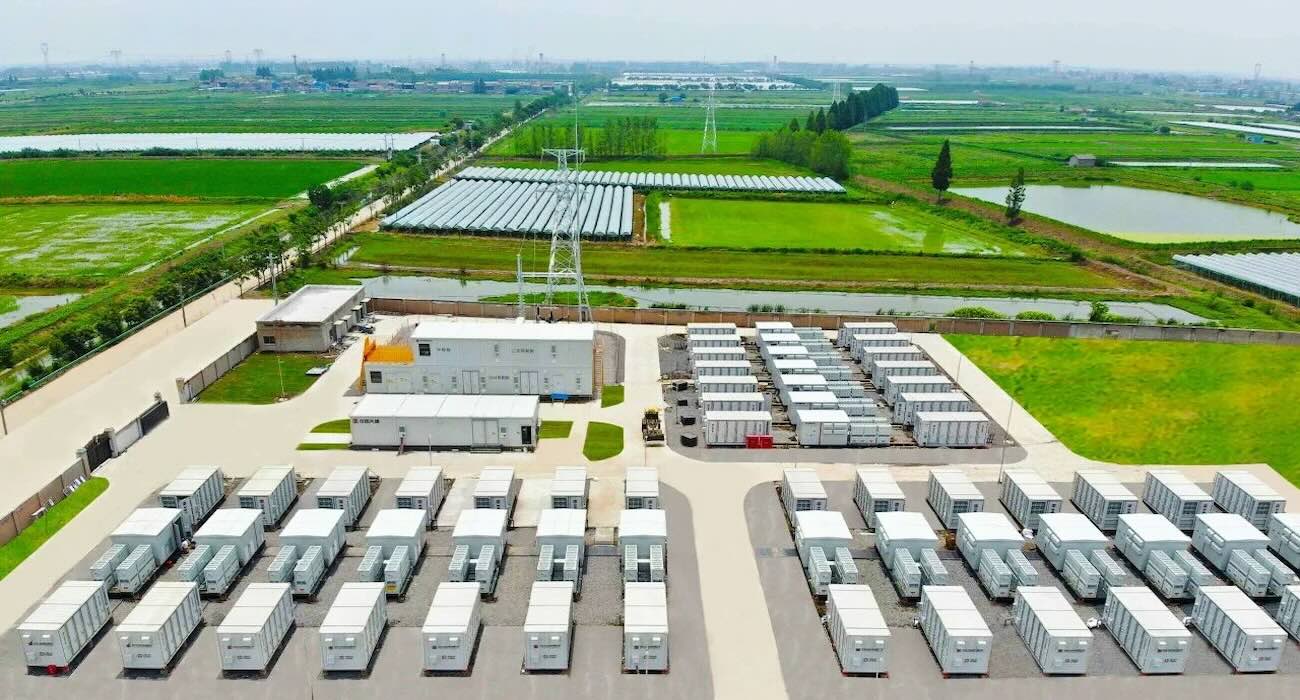
Sodium-ion batteries providing large-scale energy storage in China – CREDIT: Datang power company / HiNa Battery
A new study shows that a low-cost sodium-ion battery currently used in cars and large-scale energy storage systems in China matches most performance parameters and production quality found in Tesla’s lithium-ion batteries.
Since sodium is much more abundant and widely available than lithium, using it for batteries could cut raw material costs for manufacturers and reduce supply chain risks that surround critical minerals.
Conducted by a German university, the research published on May 28 in the Cell Press journal Physical Science, looked at the battery designed by Hina, a spin-off company of the Chinese Academy of Sciences that has partnered with automakers like JAC to provide EV batteries.
It shows that “once the sodium-ion (or Na-ion) battery is tweaked to charge more effectively at low temperatures and function better at high energy densities, it could provide a cost-effective alternative for future electric vehicle batteries”.
“The combination of good uniformity, high power capability, and strong low‑temperature performance makes these cells attractive for stationary storage, grid services, and shorter‑range or commercial vehicles where potential lower cost and resource availability matter more than maximum driving range,” said Moritz Schütte, a battery researcher at RWTH Aachen University in Germany.
To assess how HiNa batteries compare to more advanced Tesla batteries, Schütte’s team used a non-destructive technique called impedance spectroscopy to measure the uniformity of 120 sodium-ion battery cells. Next, to map out the power and energy performances of individual cells under real-life conditions, the team tested the batteries at varying currents and at temperatures from −20 °C to 45 °C. They also used X-rays to see the battery’s internal structure, then opened up the cells to measure their electrode dimensions, compositions, and microstructures.
They found that the battery uses a tabless (design), a double-aluminum current collector design that reduces resistance and ensures a uniform temperature distribution—and also mirrors the current design of Tesla batteries.
“We were positively surprised by how uniform the cells are,” says Schütte.
However, the sodium-ion battery has some limitations when it comes to energy density and charging at low temperatures. “The high‑power performance was better than one might expect from an early commercial sodium‑ion product,” says Schütte.
“For applications that require frequent charging at low ambient temperatures, appropriate thermal management or operating strategies will be important because low-temperature charging remains a clear weakness.”
The researchers also found unexpectedly high, unevenly distributed levels of copper in certain cathode regions of the battery, which “raises interesting questions about its role in performance and aging,” said Schütte.
“It will be exciting to see future sodium-ion technologies that are free of nickel and copper, as well, while achieving competitive energy density.”
Sodium-ion batteries also perform well under load at low temperatures, making them an appealing option for both stationary power storage and mobile applications in cold climates.
“However, today’s commercial sodium-ion cells generally have lower energy density than the best lithium-ion cells, and the technology is less mature overall,” said Schütte.
Next, the authors plan to better understand and improve upon the battery’s charging capabilities at low temperatures so that they can charge more safely and efficiently below 0°C. Further research should also focus on optimizing the materials used to make sodium-ion batteries, added Schütte.
“Advances in hard‑carbon anodes and electrolyte formulations may be especially promising,” he said.This work was supported by Germany’s Federal Ministry of Research, Technology, and Space and the Federal Ministry for Economic Affairs and Energy. Batteries That Use Sodium Instead of Lithium Could Be Low-Cost Rival to Tesla’s
New Delhi, (IANS) Indian commercial vehicle manufacturer Tata Motors Ltd on Wednesday announced the rollout of its 10th lakh vehicle from its Lucknow plant.
The rollout also marked three‑and‑a‑half decades of operations in Uttar Pradesh, the company said in a release.
In his reaction, Uttar Pradesh Chief Minister Yogi Adityanath said: "The rollout of 10 lakh trucks and buses from Tata Motors’ Lucknow facility is a moment of pride for the entire state. It is a recognition of the state’s capabilities and immense potential, as well as of its talented people."
"Our vision is to transform Uttar Pradesh into a one‑trillion‑dollar economy, with industry and entrepreneurs playing a pivotal role in this journey. The state offers a conducive ecosystem for scalable businesses, supported by a vast consumer market, a young, skilled workforce, and seamless connectivity," he said.
Tata Motors’ success in Uttar Pradesh reflects the strength of this ecosystem and reinforces the state's commitment to fostering responsible industrial growth, creating jobs, building skills and advancing sustainable socio‑economic development, he added.
The milestone vehicle was a zero-emission electric bus, and it highlighted the shared commitment of Uttar Pradesh and Tata Motors to green mobility, aligned with the state’s net-zero 2070 vision and the company’s net-zero target of 2045, the company said.
On this occasion, Tata Sons Chairman N. Chandrasekaran said that the production of Tata Motors' 10th lakh commercial vehicle from its Lucknow facility reflects the strength of its longstanding partnership with Uttar Pradesh.
"Over more than three decades, this collaboration has demonstrated how industry, government and communities can come together to drive industrial excellence, create livelihoods and build capabilities at scale," he added.
"As India’s commercial vehicle industry is undergoing rapid transformation towards cleaner, smarter and more efficient mobility solutions, this milestone underscores Tata Motors’ leadership in shaping the future of mobility," he said, as per the release.
The Lucknow facility, established in 1992 and spread over about 600 acres, has an annual capacity of over one lakh vehicles and supports over 8,000 livelihoods.
It builds industry‑relevant skills through flagship training programmes, and operates as a water‑positive facility powered by 100 per cent renewable energy, the auto manufacturer said.It manufactures a comprehensive range of cargo and passenger commercial vehicles across multiple powertrains, including next-generation zero-emission electric buses and trucks, as well as fuel cell electric vehicles (FCEVs). Tata Motors hits 10 lakh commercial vehicle milestone at Lucknow plant | MorungExpress | morungexpress.com
As politicians warn Australians not to resort to panic buying, finding constructive ways to reduce your petrol costs and cut carbon emissions has become increasingly appealing.
The strikes on Iran have seen prices of Brent crude – the global oil benchmark – trade around US$104 (A$150) per barrel, up from roughly US$68 (A$96) a few weeks earlier. There is no clear end in sight for the current crisis.
The good news is buying and owning an electric car is becoming much easier as more models arrive in Australia and charging networks expand. But there are still a few things worth considering before making the switch.
What should you look for when choosing an EV?
Choosing an electric vehicle is not very different from choosing any other car. Size, price and safety features still matter.
But there are a few additional things worth checking.
The first is driving range, which is how far the vehicle can travel on a full battery. Most new EVs sold in Australia offer between 300 and 500 kilometres of range, which is more than enough for typical daily driving.
It is also worth looking at charging capability. Some vehicles can accept faster charging speeds than others, meaning they can recharge more quickly when using high-power public chargers. This can make a difference on long trips.
Finally, check the battery warranty. Most manufacturers offer warranties of eight years or around 160,000km, providing reassurance about long-term battery performance.
For most buyers, the key is simply choosing a vehicle that suits their everyday driving needs.
How To Buy The Right Electric Car.
Check how much you drive
An important question to ask when choosing an electric vehicle is: how far do you usually drive each day?
Most Australians drive far less than they think. Car passenger kilometres per person have reduced from a peak of 13,184 in 2004 to 10,238 in 2024–25.
That’s roughly 28km per day, meaning many drivers could go several days between charges with today’s EVs. Most new models now sold in Australia have a real-world driving range of 300–500km on a full battery.
In practice, many EV owners simply plug their car in at home overnight once or twice a week.
Most EV drivers charge at home a few times a week. Fast chargers are used on longer trips. Zaptech/Unsplash
Do you need to install a charger at home?
Many people assume installing a home charger is essential, but that is not always the case.
Electric vehicles can be charged from a standard household power point. This is the slowest method, but it can still add 10–15km of range per hour of charging. At that rate, a 12-hour overnight charge could give you up to 180km.
Many owners choose to install a dedicated wall charger instead. These typically cost A$1,000–2,000 plus installation. These charge much faster, allowing most vehicles to fully recharge overnight.
Fast chargers are useful, but usually not for everyday charging. Public fast chargers are designed mainly for longer trips.
These high-power chargers can add 150–300km of driving range per hour, depending on the vehicle and type of charger.
They are very convenient for highway travel but usually cost more than charging at home. Public fast charging can range from around 50 to 70 cents per kilowatt-hour, which is still cheaper than petrol, but the savings are smaller than charging at home.
Many EV owners only use public chargers occasionally, not every day.
EV drivers in Australia will come across three different charger speeds. Here’s how they work.
How much should you charge the battery?
Another common question is whether EV batteries should always be charged to 100%.
For everyday driving, many manufacturers recommend keeping the battery between 20% and 80% most of the time. This helps maximise long-term battery health.
A fully charged battery is generally under more stress. However, charging to 100% shortly before a long trip is fine. Modern EV battery management systems are designed to protect the battery automatically.
In practice, drivers quickly develop simple routines, often charging overnight a few times per week.
How much could you save on fuel?
One of the main reasons drivers consider switching to an EV is the potential saving on running costs.
Electric cars are typically cheaper to run because electricity costs less than petrol and electric motors are far more energy efficient than combustion engines.
Home charging is also the cheapest way to run an EV. Electricity for overnight charging typically costs 20–30c per kilowatt-hour, which can translate to around $3–5 per 100km of driving.
By comparison, fuel-efficient petrol cars typically consume 6–8 litres per 100km and cost $14–18 to drive that distance at current fuel prices.
That difference can add up quickly over a year. Online tools, such as our public EV payback calculator, allow drivers to compare different vehicles and test how savings change depending on electricity prices, fuel costs and driving distance.
What if you live in an apartment or unit?
Charging can be more complicated for people living in apartments or units, but options are expanding quickly.
Many new residential developments now include shared EV charging infrastructure in car parks. Some apartment owners are also installing chargers in their individual parking spaces where building rules allow it.
Workplace charging is another growing option. Many employers are beginning to install chargers for staff vehicles, allowing drivers to top up their battery during the day.
Public charging networks are expanding across Australian cities. While these chargers typically cost more than home electricity, they provide an important option for drivers without dedicated parking or charging access at home.
As EV adoption increases, improving charging access for apartment residents is becoming a major focus for building managers and policymakers.
Where next?
The decision to switch to an electric vehicle has never been more straightforward. Ranges are longer, models are more affordable, charging networks are expanding and running costs are lower than ever.
As petrol prices remind Australians of their exposure to global oil markets, the case for making the switch gets stronger.
For most drivers, the question is no longer whether an EV could work for them – it is simply a matter of when.
As we head for a fifth consecutive year of rising road deaths and what could be the worst year for pedestrian fatalities in nearly two decades, it’s time to look more closely at what this means.
But what’s less discussed is whether driving one also changes how we drive – if larger vehicles make us feel safer inside them, do they also make us take more risks behind the wheel?
With no domestic car manufacturing, Australia imports vehicles shaped by global production trends, many of which trickle down from United States policies that reward larger vehicles.
Two subtle US policy features explain why.
First, the “SUV loophole”: under US law, most SUVs are classified as light trucks, meaning they’re subject to less stringent fuel-efficiency and crash-safety standards than passenger cars.
Second, under US fuel economy rules, fuel-efficiency targets are adjusted based on the size of the vehicle’s “footprint” — the area between its wheels. In practice, this means larger vehicles are allowed to consume more fuel while still meeting the target.
Marketing has played a significant role too: in 2023, car makers invested about A$125 million in SUV and 4×4 advertising in Australia – a 29% increase from the previous year.
The dangers of bigger vehicles
There’s a physical mismatch between large and small vehicles that usually transfers the danger from the occupants of the bigger car to everyone else.
While the risks of being hit by a large SUV or ute might seem self-evident, the question is how much greater those risks are.
Research provides a clear answer.
Car-to-car collisions:
Collisions between large SUVs and smaller cars show occupants of a smaller vehicle face about 30% higher risk of dying or sustaining serious injury.
A 500kg increase in vehicle weight is linked to a 70% higher fatality risk for occupants of the lighter car.
For every fatal accident avoided inside a large vehicle, there are around 4.3 additional deaths among other road users.
Car-to-pedestrian and cyclist collisions:
Pedestrians struck by SUVs are about 25% more likely to sustain serious injuries and 40–45% more likely to die than those hit by smaller cars.
For children, the outcomes are far worse: they are up to eight times more likely to die when hit by an SUV than by a small car.
Each 10cm increase in front-end height raises the fatality risk for pedestrians by roughly 20%.
Israel: an analysis of 1.5 million speeding citations found drivers received about a quarter more speeding tickets when vehicle mass was 10% heavier
Austria:roadside observations of 48,000 vehicles showed SUV drivers more frequently drove without seatbelts, used phones and ran red lights. Women SUV drivers showed violation rates similar to men, breaking the usual pattern of higher female caution in traffic studies
New Zealand: field data found SUV drivers 1.5 times more likely to drive one-handed, a behaviour linked to lower perceived risk and reduced vigilance
Taxes and size-dependant registration fees could potentially offset some of the extra costs of heavier vehicles on roads surfaces, congestion and emissions, or regulate demand.
Two measures would make a tangible difference:
Licence testing by vehicle class
Many drivers obtain their licence in a small sedan but can legally drive a two-tonne ute the next day. Yet, larger vehicles demand different manoeuvring skills, longer braking distances and greater spatial awareness.
Requiring a practical test in a vehicle of comparable size to what the driver intends to drive (or a streamlined license upgrade for an experienced driver when upsizing) would acknowledge that added responsibility.
The reform would also carry a symbolic message: driving a heavier vehicle comes with greater responsibility.
Penalties scaled to impact potential
A ute or SUV travelling 10kmh over the limit carries greater kinetic energy and longer stopping distance than a small sedan.
A tiered approach – where fines or demerit points scale with vehicle mass – would better reflect the disproportionate risk that bigger cars pose.
If Australia is serious about reducing road trauma, these are the kinds of targeted, evidence-based adjustments that should be considered.
Seoul, (IANS): The head of South Korea's automotive giant Hyundai Motor Group has visited three key overseas markets -- China, the United States and India -- at the start of the new year as part of the group's global expansion strategy, the company said on Wednesday.
Executive Chair Euisun Chung's visits were aimed at exploring business opportunities in major economies that are expected to underpin the group's future growth, while also seeking partnerships with leading global companies, the group said in a press release.
During his visit to India, Chung toured three production facilities -- Hyundai Motor's Chennai and Pune plants and Kia's Anantapur plant -- to review production operations and sales strategies.
Hyundai Motor Group ranks second in the Indian automotive market with a market share of about 20 percent. The three plants have a combined annual output capacity of 1.5 million vehicles.
The group aims to develop India into a "strategic export hub" following the listing of Hyundai Motor India on the Indian stock market in 2024 in what was the largest initial public offering (IPO) in the country's history.
"Hyundai has been able to grow over the past three decades thanks to the support of the Indian people," Chung was quoted as saying. "We must pursue a home-brand strategy for the next 30 years so that Hyundai can become a truly national company in India."
During his 10-day trip through Tuesday, Chung attended the Korea-China Business Forum held in conjunction with President Lee Jae Myung's state visit to China, and the world's largest IT and electronics exhibition, CES 2026, in Las Vegas, and toured the group's production facilities in India, reports Yonhap news agency.
In Beijing, Chung exchanged views with Zeng Yuqun, chairman of Contemporary Amperex Technology Co. (CATL), the world's largest battery maker, on cooperation in the electric vehicle (EV) battery sector. He also met with Hou Qijun, chairman of China Petroleum & Chemical Corp. (Sinopec), to discuss potential collaboration in hydrogen-related businesses.
To boost sales in China, Hyundai Motor Co. launched its first China-dedicated EV model, the Elexio, in October and plans to expand its EV lineup in the world's largest automobile market to six models by 2030. Its smaller affiliate, Kia Corp., plans to strengthen its Chinese EV lineup by introducing at least one new model each year through 2027, following the launch of the EV6 in 2023.
At CES 2026, Chung held meetings with executives from global big-tech companies, including Nvidia Corp. CEO Jensen Huang and Qualcomm Inc. Chief Operating Officer (COO) Akash Palkhiwala.The group unveiled its artificial intelligence (AI) and robotics strategy at the exhibition, with the presentation of Atlas, a humanoid robot developed by its U.S. subsidiary Boston Dynamics, drawing significant attention. Hyundai Motor aims to develop India into a ‘strategic export hub’ | MorungExpress | morungexpress.com
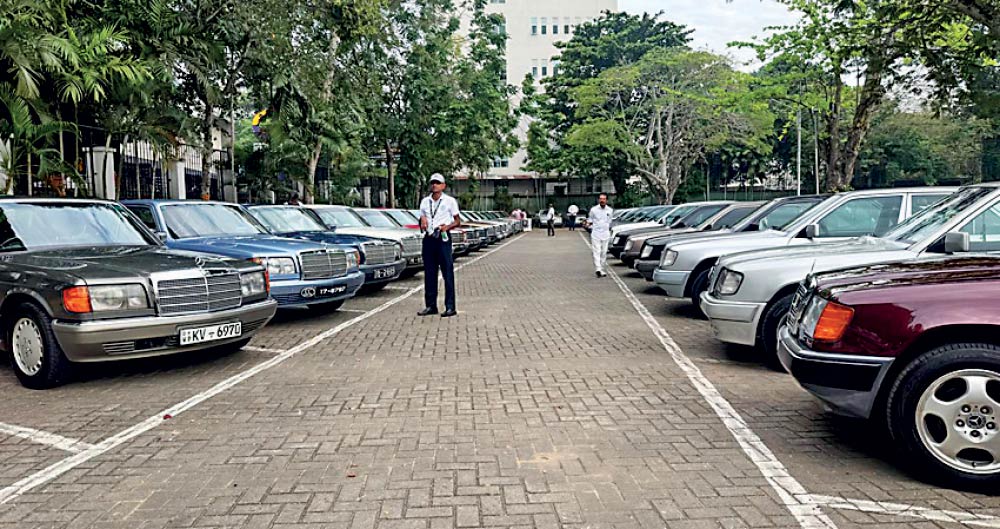
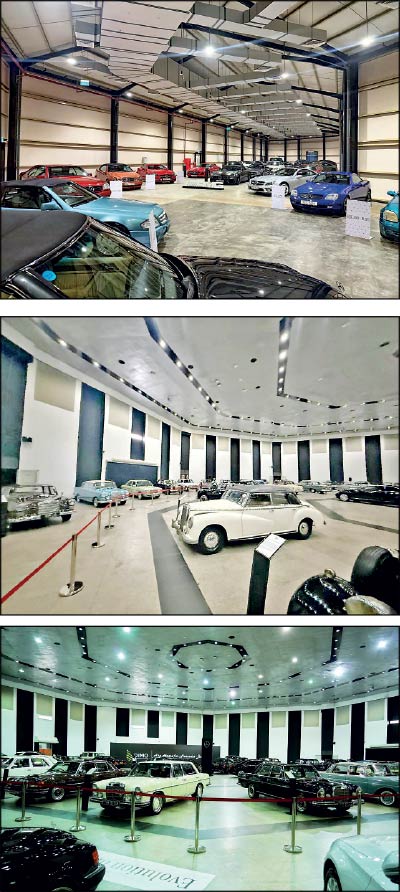
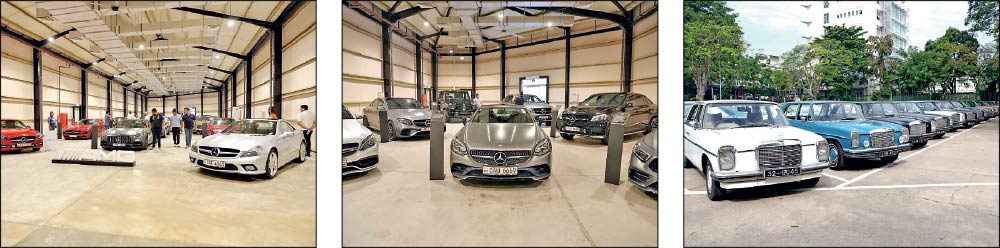
The Mercedes-Benz Club of Sri Lanka has successfully hosted a historic gathering of 640 Mercedes-Benz vehicles, as officially verified and certified by international auditors BDO partners, establishing a new benchmark for the largest gathering of Mercedes-Benz cars in the world in one location.
This achievement surpasses the current Guinness-listed record of 479 vehicles, previously set by Mercedes-Benz Ecuador in Quito, Ecuador, on 16 October 2021.
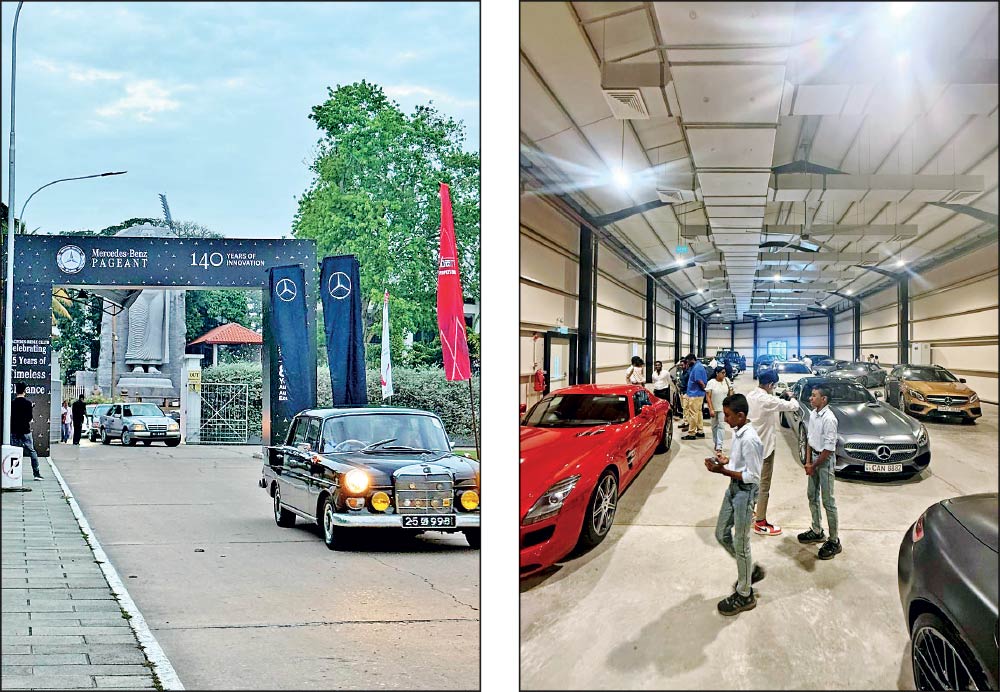
The record-breaking event took place on 8 February 2026 at the Bandaranaike Memorial International Conference Hall (BMICH) in Colombo, Sri Lanka. Mercedes-Benz owners from across the country united to celebrate the brand’s legacy, engineering excellence, and the strong camaraderie within the Sri Lankan Mercedes-Benz community.
Executive Committee of the Mercedes-Benz Club of Sri Lanka said: “We are immensely proud of this momentous accomplishment. This event reflects the passion, dedication, and unity of our members and the wider Mercedes-Benz family in Sri Lanka. The certification by BDO partners underscores the credibility and precision with which the event was organised and conducted.”
The club extends its heartfelt appreciation to all participants, partners, our main sponsors Dimo the exclusive agent for Mercedes Benz vehicles in Sri Lanka, and volunteers whose contributions made this extraordinary milestone possible.
Founded in 1990 the club celebrates its 35th year in preserving the heritage, innovation, and passion behind the Mercedes-Benz brand, the Mercedes-Benz Club of Sri Lanka brings together enthusiasts and owners from across the nation. Through events, exhibitions, and community initiatives, the club fosters connection, knowledge-sharing, and appreciation for one of the world’s most iconic automotive marques.
New Delhi, (IANS): Mercedes-Benz India on Tuesday announced that it has achieved a major global milestone by becoming the first market outside the United States to start local production of the ultra-luxury Mercedes-Maybach GLS.
The move highlights India’s growing importance for the German luxury carmaker and underlines the company’s strong confidence in the country’s appetite for top-end luxury vehicles.
According to Mercedes-Benz India, local manufacturing of the Mercedes-Maybach GLS will not only strengthen its top-end portfolio but also help the brand respond better to rising demand while reinforcing its long-term commitment to the Indian market.
“The decision to start the local production of the Mercedes-Maybach GLS reiterates Mercedes-Benz’s deep commitment to the Indian customers, offering the pinnacle of luxury SUV, ‘Made in India’,” Santosh Iyer, Managing Director & CEO, Mercedes-Benz India, said.
“Local production will further enhance the vehicle’s appeal, reiterating our world-class manufacturing prowess and agility, catering to most demanding customer wishes for such exclusive top-end vehicles,” Iyer added.
In its 2025 sales performance highlights, the German luxury carmaker announced it has sold 19,007 units in India during CY 2025, slightly lower than the 19,565 units sold in 2024.
Despite the marginal dip in volumes, the company recorded its best-ever year in terms of revenue.
According to the company, the Top-End Vehicles portfolio, which includes the S-Class, Mercedes-Maybach models and AMG cars, showed strong resilience and grew 11 per cent year-on-year.
This segment accounted for 25 per cent of total sales, reflecting rising demand for ultra-luxury vehicles in India.
The high-performance AMG portfolio performed particularly well, registering a sharp 34 per cent growth, as Indian customers continued to show strong interest in performance-oriented luxury cars.
Mercedes-Benz India’s electric vehicle business also maintained its growth momentum in 2025.
The company’s battery electric vehicle portfolio grew 12 per cent year-on-year and accounted for 20 per cent of all top-end Mercedes-Benz cars sold in the country.
Notably, 70 per cent of the electric vehicles sold during the year belonged to the top-end segment, priced between Rs 1.25 crore and Rs 3.1 crore.
Tokyo, (IANS): As the adoption of electric vechicles enters top gear globally amid rising petrol-diesel prices, Japanese auto-maker Nissan on Monday said it will invest $17.6 billion (2 trillion Yen) in developing new EVs and battery technology over the next five years.
Unveiling the 'Nissan Ambition 2030' plan, the company announced it will launch 23 new electrified models, including 15 new EVs, aiming for 50 per cent electrification mix, by fiscal year 2030.
"We will drive the new age of electrification, advance technologies to reduce carbon footprint and pursue new business opportunities. We want to transform Nissan to become a sustainable company that is truly needed by customers and society," said Makoto Uchida, Nissan CEO.
Over the next 10 years, Nissan aims to deliver exciting, electrified vehicles and technological innovations while expanding its operations globally.
The vision supports Nissan's goal to be carbon neutral across the life cycle of its products by fiscal year 2050.
With the introduction of 20 new EV and e-POWER equipped models in the next five years, Nissan intends to increase its electrification sales mix across major markets by fiscal year 2026, including Europe by more than 75 per cent of sales, Japan by more than 55 per cent of sales, China by more than 40 per cent of sales and the US by 40 per cent of EV sales in fiscal year 2030.
"With our new ambition, we continue to take the lead in accelerating the natural shift to EVs by creating customer pull through an attractive proposition by driving excitement, enabling adoption and creating a cleaner world," said Nissan COO Ashwani Gupta.
Representing the next stage of Nissan's electrified future, the company also unveiled three new concept cars that offer enhanced experiences through sophisticated technology packaging.
Nissan aims to launch EV with its proprietary all-solid-state batteries (ASSB) by fiscal year 2028 and ready a pilot plant in Yokohama as early as fiscal year 2024.
With the introduction of breakthrough ASSB, Nissan will be able to expand its EV offerings across segments and offer more dynamic performance.
"By reducing charging time to one-third, ASSBs will make EVs more efficient and accessible. Further, Nissan expects ASSB to bring the cost of battery packs down to $75 per kWh by fiscal year 2028 and aims to bring it further down to $65 per kWh to achieve cost parity between EV and gasoline vehicles in the future," the company announced.
Nissan intends to increase its global battery production capacity to 52 GWh by fiscal year 2026, and 130 GWh by fiscal year 2030.
New Delhi, (IANS): India’s electric two-wheeler market saw a major shift in 2025, with last year’s leader Ola Electric losing a large part of its market share, while traditional auto companies strengthened their position.
Ola Electric’s market share dropped sharply to 16.1 per cent in 2025 from 36.7 per cent in 2024.
Despite overall demand for electric two-wheelers improving, the company sold 1,96,767 vehicles during the year, according to data from the government-run Vahan portal.
The sharp fall highlights the growing challenges Ola Electric faced through the year. Ola Electric’s troubles were also linked to operational issues, including customer complaints related to service delays and inconsistent deliveries.
Meanwhile, Bhavish Aggarwal-run electric two-wheeler maker reported a consolidated net loss of Rs 418 crore in second quarter of the current financial year (Q2 FY26).
The revenue from operations of the firm also followed suit and dropped nearly 43 per cent year-on-year to Rs 690 crore in Q2, compared to Rs 1,214 crore in Q2 FY25.
In an earlier exchange filing, the firm said that “For the Auto segment, we expect lower volumes than the Q1 guidance as we continue to focus on margin and cash discipline in a hyper competitive market.
The stock of Ola Electric is also not performing well. Around 1:40 p.m., the company’s shares were down 3.34 per cent at Rs 34.97. Over the past five days, the stock had gained 1.36 per cent.
However, it was down 13.77 per cent over the last one month and had delivered a negative return of nearly 19 per cent in the past six months.
On a year-to-date (YTD) basis, the shares were lower by 59.44 per cent, according to official data.
At the same time, established manufacturers with strong dealer networks and better after-sales support gained ground.
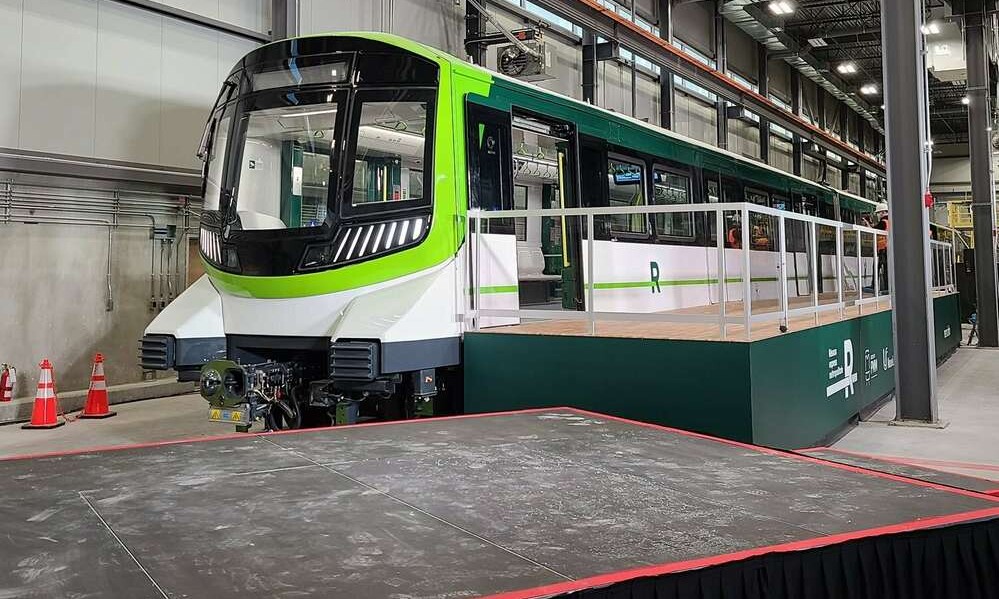
One of the REM trains – credit, Reece Martin, CC BY-SA 4.0.
Cheap, efficient, new and exciting, Montreal’s new automated light rail transit system which recently opened is a major accomplishment for a country routinely criticized for its public transport.
Taras Grescoe is an expert in metropolitan rail systems around the world, and by his estimation, the Réseau Express Métropolitain (REM) should be a case study for the whole of North America.
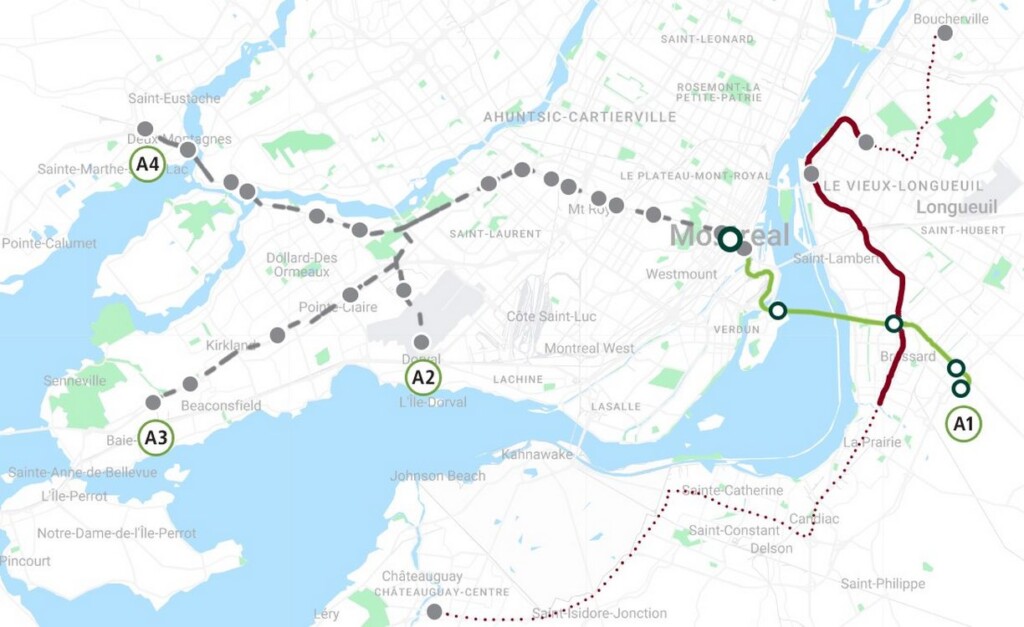
As of November 2025, it consists of 19 stations spanning 50 kilometers (31 mi), connecting Downtown Montreal with the suburb of Brossard and the northwestern Montreal suburbs. The West Island branch will open in the second quarter of 2026 and the branch to the Montréal–Trudeau International Airport will open in 2027.
Trains on the network are fully automated and driverless, and the stations are completely enclosed and climate controlled, built with light-colored, locally-sourced timber and glass.
Innovations from train systems around the world have been incorporated into the REM network design. Like in Japan, the train cars feature heated seats. Like in China, safety doors mounted on the platforms reduce injuries from not minding the gap. Like in Europe, the trains draw power from overhead wires.
However, the nature of Montreal’s climate has seen its designers adopt distinctly Quebecoise features, including gas-powered track heaters to prevent the switches from freezing solid, and reinforced arms meant to smash icy buildup along the overhead wires.
But more than the actual construction and design of the train, it was the planning and execution of its construction that make the REM really stand out among what Grescoe described as a sorry state of transportation among major Canadian cities.
Costing CAD$170 million per kilometer to build, REM is about 21.5-times cheaper than New York’s long-overdue Second Avenue Subway, 4-times cheaper than Toronto’s Eglinton Crosstown light rail, and around 6-times cheaper than light rail systems being built in San Francisco and Los Angeles. REM is 5-times cheaper than a mere 5-station long extension of Montreal’s existing Blue Line underground.
The REM network, with the announced (solid line) and hinted (dotted line) route of the Taschereau REM added – credit CC 4.0.
The contractor on the project is CDPQ Infra, the construction arm of the Caisse de dépôt et placement, (CDP) the manager of Quebec’s massive public pension fund. While this is hardly an example of the free market at work, what having CDPQ in charge did was introduce just enough free market economics to change the game in terms of cost savings; it was simply to reintroduce risk.
CDPQ and CDP were financing the project with what in effect is Quebec’s social security system; cost overruns and failure, therefore, would be taken out of people’s retirement accounts. That might seem diabolical, but if the state is financing the project with tax money, public choice economics demonstrates that this introduces moral hazard into the financing equation—too many people have too few incentives to keep costs down.
CDPQ began the cost savings by utilizing infrastructure such as bridges, existing rights of way, and highways to lay track along. This included the Champlain Bridge over the Saint Lawrence River, which was built some years ago with an empty central corridor for future transit options. It also built through the Mont-Royal Tunnel, and covered other corridors with elevated viaducts.
This lack of tunneling, bridge-building, and eminent domaining-away properties in the path of the railway line has meant that costs stayed down—to be expected, as it was in CDPQ’s interest from the start.
CDPQ holds a 78% equity stake in the REM and will reap revenue from the service, paid out at the rate of 75 cents per kilometer per passenger, for 99 years. It was an investment by the pension plan for the future pensioners, and CDP expects to make 9% return-on-investment over the project’s life, which isn’t bad.Most pensions funds around the world own some amount of US 30-year Treasury Bills, which at current rates garner 4.82%. Autonomous Montreal Metro Completed with Massive Cost Savings–Sets Example for Canada
Maruti Suzuki's green push, unveils concept FUTURO-e, Greater Noida: A view of the BMW pavilion surrounded by visitors at the Auto Expo 2018 in Greater Noida on February 12, 2018. (IANS File Photo)
NEW DELHI, (IANS): Maruti Suzuki on Wednesday unveiled its concept electric vehicle 'FUTURO-e' at the Auto Expo 2020 here.
The concept model is an SUV coupe and a company statement said that the "futuristic electric coupe-style concept vehicle will bring a fresh global design perspective to the Indian landscape".
Speaking at the global premier of FUTURO-e, Kenichi Ayukawa, Managing Director and CEO, Maruti Suzuki India Limited said: "The key highlight of the 15th edition of the Auto Expo is our resolve to bring greener technologies for mass adoption." Other major attractions of Maruti Suzuki at the expo would include an all new Vitara Brezza and a new IGNIS.
Vitara Brezza that debuted in Auto Expo 2016 will get a new look and the much awaited petrol BS6 engine in Auto Expo 2020.
"Redefining the premium compact SUV segment, the new IGNIS will be presented in an upgraded SUV-like smart design with enhanced toughness," the statement said.
The new IGNIS will come with a stylish new exterior design, state-of-the-art technology and a spacious cabin, it added.
New Delhi, (IANS): In a landmark achievement, the Jimny 5-door SUV has surpassed a cumulative export of 1 lakh units from India, Maruti Suzuki India Limited said on Thursday.
Jimny 5-door export journey began in 2023, shortly after the SUV made its debut in India. The SUV, manufactured exclusively in India, has been shipped across more than 100 countries, including Japan, Mexico, and Australia.
"Jimny 5-door’s entry in Japan in January 2025, under the name 'Jimny Nomade', sparked off an overwhelming response with orders crossing the 50,000 mark within days of introduction. This reflects Jimny’s strong resonance in one of the world’s most evolved and quality-conscious automobile markets," the company said.
According to Maruti Suzuki, the Jimny 5-door is built for performance, combining a ladder-frame chassis with Suzuki’s proven ALLGRIP PRO (4WD), offering superior off-road dynamics and stability.
Powered by a 1.5-litre petrol engine, it embodies a balance of durability, simplicity and dependable performance, traits that appeal to both rugged terrain drivers and global customers attuned to quality and functionality.
“The Jimny has over half a century of heritage globally. Jimny 5-door crossing 1 lakh export mark is a proud achievement for Maruti Suzuki. We are deeply thankful to customers around the world for their trust in this acclaimed SUV," Maruti Suzuki India Limited Managing Director and CEO, Hisashi Takeuchi, said.
Jimny’s strong off-road DNA, reliable performance and uncompromising quality have earned admiration in over 100 countries, he added.
The Jimny, along with 16 other models exported by Maruti Suzuki, stands as a shining example of ‘Make in India for the World’.
The year-on-year rise in the company’s exports reflects the love and confidence of customers in our products and highlights India’s rise as a hub for world-class automobile manufacturing, Takeuchi said.
This achievement reinforces Maruti Suzuki’s robust and sustained export growth trajectory.
The White House recently announced it has issued a final rule that requires airlines to promptly provide passengers with automatic cash refunds when owed. The new rule makes it easy for passengers to obtain refunds when airlines cancel or significantly change their flights, and following significantly delayed checked bags, or failures to provide extra services when purchased.
“Passengers deserve to get their money back when an airline owes them—without headaches or haggling,” said U.S. Transportation Secretary Pete Buttigieg. “Our new rule sets a new standard to require airlines to promptly provide cash refunds to their passengers.”
The final rule creates certainty for consumers by defining the circumstances in which airlines must provide prompt refunds. Prior to this rule, airlines were permitted to set their own standards for what kind of flight changes warranted a refund, which differed from airline to airline, making it difficult for passengers to know or assert their refund rights.
Under the new rules, which will start going into effect within six months, passengers are entitled to a refund for:
Canceled or significantly changed flights:
Passengers will be entitled to a refund if their flight is canceled or significantly changed, and they do not accept alternative transportation or travel credits offered. For the first time, the rule defines “significant change.” Significant changes to a flight include departure or arrival times that are more than 3 hours domestically and 6 hours internationally; departures or arrivals from a different airport; increases in the number of connections; instances where passengers are downgraded to a lower class of service; or changes that result in less accessible or accommodating situations to a person with a disability.
Significantly delayed baggage return:
Passengers who file a mishandled baggage report will be entitled to a refund of their checked bag fee if it is not delivered within 12 hours of their domestic flight arriving at the gate, or 15-30 hours of their international flight arriving at the gate, depending on the length of the flight.
Extra services not provided:
Passengers will be entitled to a refund for the fee they paid for an extra service — such as Wi-Fi, seat selection, or inflight entertainment — if an airline fails to provide this service.
The DOT’s (U.S. Department of Transportation) final rule also makes it simple and straightforward for passengers to receive the money they are owed. Without this rule, consumers have to navigate a patchwork of cumbersome processes to request and receive a refund — searching through airline websites to figure out how make the request, filling out extra “digital paperwork,” or at times waiting for hours on the phone. In addition, passengers would receive a travel credit or voucher by default from some airlines instead of getting their money back, so they could not use their refund to rebook on another airline when their flight was changed or cancelled without navigating a cumbersome request process.
Refunds are required to be:
Automatic: Airlines must automatically issue refunds without passengers having to explicitly request them or jump through hoops.
Prompt: Airlines and ticket agents must issue refunds within seven business days of refunds becoming due for credit card purchases and 20 calendar days for other payment methods.
In Cash or original form of payment: Airlines and ticket agents must provide refunds in cash or whatever original payment method the individual used to make the purchase, such as credit card or airline miles. Airlines may not substitute vouchers, travel credits, or other forms of compensation unless the passenger affirmatively chooses to accept alternative compensation.
In the full amount: Airlines and ticket agents must provide full refunds of the ticket purchase price, minus the value of any portion of transportation already used. The refunds must include all government-imposed taxes and fees and airline-imposed fees, regardless of whether the taxes or fees are refundable to airlines.
The final rule also requires airlines to provide prompt notifications to consumers affected by a cancelled or significantly changed flight of their right to a refund of the ticket and extra service fees, as well as any related policies.
Happily, during 2023, the flight cancellation rate in the U.S. was a record low at under 1.2% — the lowest rate of flight cancellations in over 10 years despite a record amount of air travel.
However, in the event that an airline causes a significant delay or cancellation, thanks to pressure from the Biden-era DOT, all 10 major U.S. airlines now guarantee free rebooking and meals—and nine guarantee hotel accommodations. These are new commitments the airlines added to their customer service plans that DOT can legally ensure they adhere to. Find the details displayed on a new web domain that links to DOT: flightrights.gov.
Getting rid of hidden fees
A second rule will require airlines and ticket agents to tell consumers upfront what fees they charge for checked bags, a carry-on bag, for changing a reservation, or cancelling a reservation. This ensures that consumers can avoid surprise fees when they purchase tickets from airlines or ticket agents, including both brick-and-mortar travel agencies or online travel agencies.
The rule will help consumers avoid unneeded or unexpected charges that can increase quickly and add significant cost to what may, at first, look like a cheap ticket.
Airlines must inform consumers that seats are guaranteed: To help consumers avoid unneeded ‘seat selection fees’, airlines and ticket agents must tell consumers that seats are guaranteed and that they are not required to pay extra. The new rule also prohibits airlines from advertising a promotional discount off a low base fare that does not include all mandatory carrier-imposed fees. LEARN all the details from DOT, here.There are different implementation periods in these final rules ranging from six months for airlines to provide automatic refunds when owed to 12 months for airlines to provide transferable travel vouchers or credits when consumers are unable to travel for reasons related to a serious communicable disease. New Rule Requires US Airlines to Give Automatic Refunds for Canceled or Delayed Flights and Late Baggage


 –
– 






 By Hanson Lu