The High-End Fashion Industry’s Reaction to Economic Turmoil


Illustration by Ruhi Bishnoi

While inflation has pinched the wallets of many, it’s ironically fueling the growth of luxury fashion. As most consumers scale back on spending due to rising costs, iconic brands like Chanel, Rolex, and Hermès are boldly raising their prices, sometimes surpassing inflation itself. For some, it's a response to economic pressures; for others, it’s a strategic move to preserve their elite status.

Luxury brands excuse their price inflation by claiming inflation pressures and rising material costs, but their figures do not hold up. Consider, for instance, Chanel in 2019, the average price for a Classic Flap bag stood at $5,800. At present, it has reached about $10,200, a phenomenal increase of about 76% in price. Chanel justified this by claiming a commitment to quality and exclusivity. This argument was pushed by the CEO, Leena Nair for the price hike, she said "We use exquisite raw materials and our production is very rigorous, laborious, handmade-so we raise our prices according to the inflation that we see." But is there more to it? Many consumers and analysts suspect otherwise, wondering whether such price bounds are truly to do with keeping up with cost or simply to maintain their ultra-high-end status.

The watch market is no different. Patek Philippe and Rolex rank among the world's most desirable brands, but to purchase them at retail is effectively impossible for someone who lacks any insider affiliation. On the secondary market, though, such timepieces tend to fetch two to three times their retail price. Are these brands genuinely facing supply chain restrictions, or do they limit production on purpose to keep demand strong? Most industry professionals believe the latter.

Beyond the realm of economics, luxury brands have learned a thing or two about price psychology. Economists call it the Veblen Effect; as the price for some luxury items rises, so does their demand. In contrast to mass-market items, a client does not buy Chanel handbags or Rolex watches just for their fine craftsmanship; he or she buys them for their prestige. Price hikes aren’t just about inflation; they create an aura of exclusivity around such goods. In short, the higher the price, the more desirable they become.

Hermès exemplifies this strategy. The brand, synonymous with scarcity and strict pricing, increased the price of an average Birkin bag by nearly 10% in 2023, exceeding inflation rates. A close examination of the discourse further reveals the possible truth that these bags do not just serve as accessories but genuine investments, worth holding and appreciating. Louis Vuitton had equally to trade from a playbook wherein multiple price raises go within a year despite the depressing foreign retail markets. These luxury goods stack up nowadays according to Business of Fashion on an average basis for around fifty-four percent more than they did during 2019. Yet, sales remain booming-some even argue more than ever. Why? Because these have successfully groomed the idea that affordability in hand and wrist should become a tag as status hallmark for completion in being successful. However, it too ends up being an ethical debate. Should luxury companies literally be allowed to raise prices this steeply while others are still cash-strapped? Some would just say that this is merely a business concept as the saying goes"If you find someone willing to pay, why not charge him more?" while some see it as a deliberate ploy to keep out regular buyers, thus making it all the more desired by ultra-high-net-worth individuals.

So, what’s next in the future? Will brands continue to push prices higher, or are we approaching a breaking point? History suggests that as long as affluent consumers remain eager to buy into exclusivity, luxury brands will continue raising prices, regardless of economic conditions. But there’s always the risk of alienating aspirational buyers, the ones who save up for a dream luxury purchase, if prices keep climbing.

Indeed, changes in behavior control the portion of this high drama. The industry remains high-class and entry-level as long as there is pursuit by people to be status seekers, this profit will always be there for these brands, be it a recession or not.Ruhi Bishnoi is a Data Science, Economics, and Business student at Plaksha University, set to graduate in 2027. She is passionate about leveraging data-driven insights to drive strategic business decisions and create meaningful impact. The High-End Fashion Industry’s Reaction to Economic Turmoil | MorungExpress | morungexpress.com
Read More........

Donear Group to roll out 'anti-Corona fabrics', fashion designers upbeat


New Delhi: Donear Group has recently partnered to create products that are high quality, utilitarian and have a shield against bacteria and viruses alike using NEO TECH® technology given the current scenario of the fashion and lifestyle category, adapting to the ‘new normal'.
"We have always wanted to extend our forte in poly viscose and worsted fabrics - be it for trousers, jackets or suits", Rajendra Agarwal (MD, Donear Group) says.
"This partnership has added another feather in our cap for breakthrough technology with anti-corona fabrics that shows its effects within minutes rather than hours! I strongly believe that the antiviral fabrics will boost our established group turnover (of 1300cr) by at least 15%", he adds.

"This technology makes us best suited for the future," he adds

Renowned fashion designers and celebrity stylists have voiced their opinion on the innovation brought to the Indian textile market.

"This NEO Tech anti-viral fabric is going to help people to feel safe, as safety is the top priority. I'm really excited to use this fabric in my next collection, and definitely showcase it in the London Fashion Week in the next season. Fashion is all about showing off, meeting people and socializing, this innovation is definitely going to be a big help", Indian Fashion designer, Rocky Star, commented.

Narendra Kumar Ahmed, Creative Director, Amazon added, "I think it is the right time to introduce something like this when the world is fearful about how this virus is spreading, as the innovation is wonderful for the fact that it can go beyond just now and Covid-19 is just a part of it, whether we talk of institutions, corporate clothing, etc. this fabric has a great scope, in bringing security to the people."

Celebrity Stylist and Founder of That Gypsy, Priya Patil said, "I think the technology is amazing and I would like to see how it translates on a broader fashion scope. And, I would like to use these fabrics for my accessories as this will be amazing."

"Since I also work in the hospitality industry, and given the fact that the sanitization standards in hospitals are so high, these fabrics will do so well in this industry. Not only for the fashion industry and the corporates, these fabrics should be used in the hospitality industry as well as for school uniforms, and expand the usage of this fabric on a wide variety", she added.

(Aditi Roy can be contacted at aditi.r@ians.in) Source: https://ummid.com/
Read More........

Kids’ ethnic wear emerges a promising segment in India


Kids’ ethnic wear is still niche with not too many big players venturing into this space. However, it’s a growing market with many new brands and established one vying for space. Weddings drive up demand: For brands to carve out a niche takes constant innovation, with fabrics, pricing along with the right marketing avenues to attract customers. Since, these products are not about window shopping its more about aspirations. As Shashant Maru, Proprietor, Genuine says, “Ethnic wear is at the most 15 to 20 per cent of the junior wear market. In junior wear, its casual wear that dominates. Yet, the industry is growing at 10 per cent a year. The premium and super premium segment of ethnic wear is too well positioned.” In casual wear, western wear has taken over and ethnic now takes a backseat. But with indo western and fusion wear growing, people are ready to spend higher for the right kind of ethnic wear. So, there are *kurtis*, palazzos, *lehangas, ghargra cholis* and gowns with an ethnic touch which are in great demand. Though overall demand has fallen because of western wear but volumes are higher than before because of population growth. Since, it’s about a rare occasion, consumers are willing to spend more at one go if the product is good and presented properly. Nikhil Furiya, Partner, Era says, “Ethnic wear has been doing well for the last five or six years. This has prompted many brands to jump into this category. It continues to be a demanding segment where sustaining yourself in the long term is difficult. Brands like Era, Genuine, Popton, Doll, AMI, Disha and Pari amongst others have been around for more than 10 to 20 years. For older players it’s all about consolidating working with organized retail, systematic functioning and marketing. New brands find the going tough: As new brands enter the market experts opine girls’ ethnic is a challenging category. Market observers feel new brands have a tough time in establishing themselves, to attract retailers’ attention. You have to aggressively market your product and match it with a variety of trends and colors. Also, the fact that it’s a seasonal business also deters many from entering the market. “Though for a newcomer its is tough but for existing players kids ethnics is promising because there are diverse tastes across various states in India, each brand gets their own customers,” avers Minesh Shah, Director, AMI. He adds, “Right now the market is flat but still we hope to grow by 25 per cent.” Many brands have dedicated designing team doing research on what works in the market. Therefore, even if you are a 25-year-old brand but inconsistent with both elements, you can’t expect to grow well. Throwing light on the scope of mid segment category, Kaushik Mehta, Proprietor, Keel Beel, explains, “The industry is geared towards the mid segment and one can expect maximum growth there. People making premium products are just two per cent of the industry. So, their turnover and sales may not be significant even though their margins are higher. If you want turnover and sales you have to cater to the mid segment.”Source: https://fashionunited.in/
Read More........

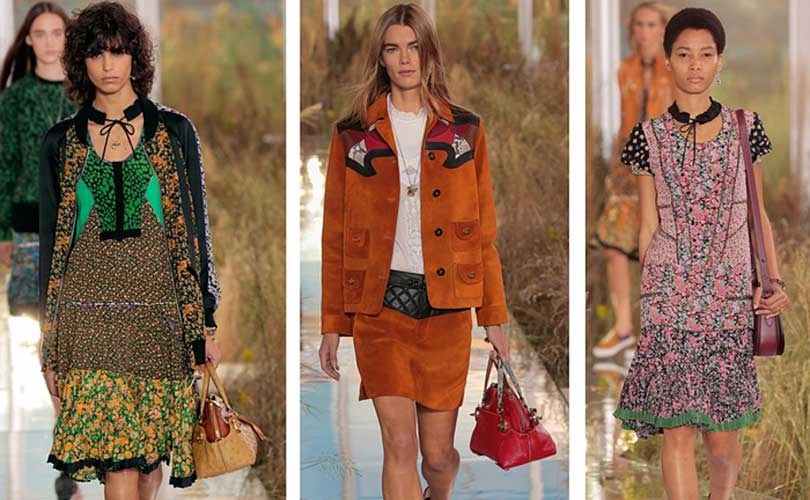
Coach to celebrate 75th anniversary with new flagship

Don-Alvin Adegeest, American leatherwoods and accessories brand Coach is to celebrate its 75th anniversary by opening a new flagship called Coach House on New York's Fifth Avenue. Reflecting Coach’s “heritage and history of craftsmanship”, the main 20,000 square feet, three-floor retail space will open with the autumn winter 2016 collection later this year. Designed by the brand’s creative director Stuart Vevers in partnership with William Sofield, designer and president of Studio Sofield, expect a bespoke façade and modern luxury interior that will include a “unique” shopping salon and Craftsmanship Bar. Shoe designer Stuart Weitzman has secured the premises next door. Source: fashionunited.com
Read More........

Fairy tales come to fashionable life at Fashion Institute of Technology

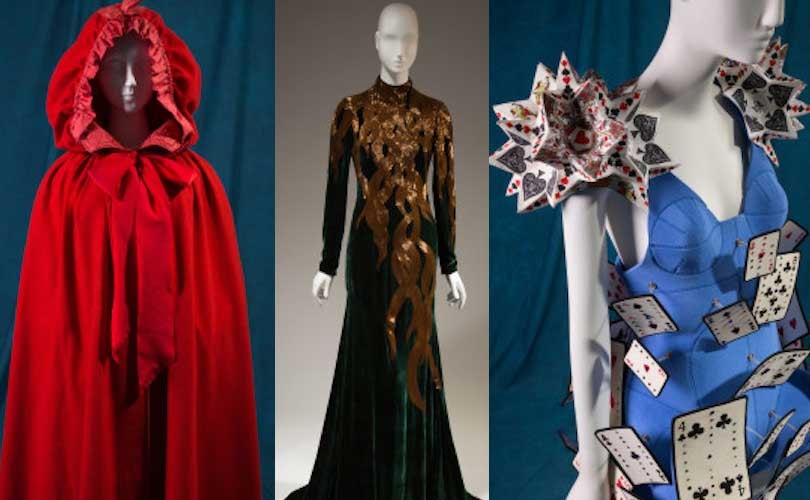
fashionunited.comKristopher Fraser | Fairy tales have long been a major inspiration for the world of fashion. Just look at the Cinderella inspired dress actress Lupita Nyong'o wore to the Oscars in 2015. In her description of what the word fairy tale means to fashion, the Museum at the Fashion Institute of Technology curator Colleen Hill states that the it is often used to describe fashion which is considered spectacular or inaccessible. Beginning Friday, January 15, 2015, MFIT unveiled their exhibit dedicated to fairy tales to the public. The displays proved to be nothing shy of extraordinary. In the world of fashion, fairy tale inspired clothing is usually connected to how we remember popular dresses from Disney Princess movies like Cinderella or Snow White. The true history behind fairy tales dates back to authors like Charles Perrault, L. Frank Baum, the Brothers Grimm, and Hans Christian Andersen. These men who wrote stories, some of which are now centuries old, would grow to become some of the biggest influences on fashion designers from the likes of Alexander McQueen to Rodarte. Upon first entering the exhibit, visitors can see how the physical construction of a book alone has influenced fashion. One of the first looks in the exhibit is a dress by Issey Miyake that was part of a collection actually entitled "Book." The dress appears to be made from story book paper. The look was inspired by designer Naoki Takizawa's first visit to New York's Morgan Library which houses many early volumes of fairy tales. Takizawa wasn't the only designer who took inspiration from books, however. Charlotte Olympia also had a clutch in the exhibit that was virtually a replica of what you'd expect a fairytale anthology to look like. Upon entering the doorways through the main exhibit, visitors are greeted with several sections of clothes, each dedicated to a different fairytale, including stories like Snow White, Little Red Riding Hood, Alice in Wonderland, The Wizard of Oz, and The Snow Queen just to name a few. There are over 80 installations in the exhibit. While many of the designs were directly inspired by fairy tales, some of them are period appropriate looks. For example, there is a costume based on the type of gown that fits in the time period Beauty and the Beast is set in. The concept of the rose as a motif in fairy tales is also present in a Dolce and Gabbana gown that is worthy of the Academy Awards red carpet, and a Rodarte dress adorned with three-dimensional roses crafted from organza. There was no shortage of shoes in the exhibit either. An *Alice in Wonderland heel from Nicholas Kirkwood and Cinderella inspired shoes from Christian Louboutin were on display in all their fairy tale inspired glory. "Fairy Tale Fashion" makes clear how designers have been influenced by those stories that were read to us in childhood. Of course, the whimsical creatures, the dresses from periods all throughout the last millennium, and the sense of aristocracy throughout fairy tales were bound to make great inspiration for fashion throughout modern and contemporary times. The FIT exhibit will be open until April 16. The Museum is located at 227 W. 27th Street in Manhattan's Chelsea neighborhood. Source: https://fashionunited.com
Read More........

Top 10 most popular fashion brands of 2015


Fashion-united: For a brand to be popular, they have to conquer Instagram, be huge on Facebook, and get their Tweets on Twitter retweeted to expand their reach. But, which fashion brand has become the most popular of 2015? Well, FashionUnited analysts have been calculating each global fashion brand’s reach taking into account their social media followers on Instagram, Facebook, Twitter and Pinterest, as well as social mentions using hashtags and retweets, and finally adding how much Google search traffic each brand received.The top 10 most popular fashion brands is a mix of sportswear, high street retailers, lingerie giants, as well as luxury designer brands.

1. Nike
Topping the top 10 most popular fashion brands for 2015 is sportswear giant Nike. Known for its athletic design, development and manufacturing, across every area of sport, Nike has become a formidable name in fashion, helped along by the rise of the trainer as more than a sportswear accessory, but rather a fashion statement. Its top spot is helped by its large number of social media followers, on Instagram the brand has more than 31 million followers, while on Twitter it has 11 million followers, but it’s the incredible 75 million fans on Facebook that keeps it ahead of the other fashion brands. As well as huge social media numbers its fans also keep its reach growing with close to 40 million Instagram hashtags being used in 2015, that’s more than three times higher than the number two, Zara received. It is also the brand with more than 2 million retweets. Its popularity on social media is driven by its fun and rememberable hashtags, like #BringYourGame used to promote basketball, #GetOutHere to drive its Nike training kit, and the use of #FearlessAcceleration for baseball. It is also assisted by numerous sports personalities including tennis star Serena Williams, footballer Cristiano Ronaldo and basketball star Kobe Bryant.
2. Zara
Spanish fashion retailer Zara is the first of four high street names to make the top 10, H&M came in third, Forever 21 in seventh, and Mango claimed ninth spot, however, Topshop could only manage thirtieth spot and value retailer Primark was down in 21st place. Zara, which belongs to one of the world’s largest fashion chains Inditex, has more than 6,900 stores worldwide, and earned second place due to the large amount of Google search traffic, with shoppers searching for Zara more than 160 million times during 2015. Its social media reach doesn’t quite rival H&M, Zara has nearly 8 million Instagram followers and just over 1 million followers on Twitter, all less than H&M, however it does boast three times more Instagram mentions than the Scandinavian fashion chain with close to 13 million mentions on the picture sharing channel, helped by the popularity of the fashion brand with style bloggers who tag the retailer in their photographs.
3. H & M
Scandinavian fashion retailer H&M did give Zara a run for its money in the most popular fashion brands of 2015 with high followers on Instagram, Facebook, Twitter and Pinterest. The brand has more than 7 million followers on Twitter compared to just 1 million for Zara, and is helped to third spot with its 11 million followers on Instagram, and 25 million fans on Facebook. The fashion retailer also received in the region of 367,000 retweets in 2015, probably helped by its designer collaboration with Balmain, and its high-profile holiday campaign fronted by Katy Perry. However, these retweets are nowhere near the level that the sportswear brands Nike and Adidas receive.
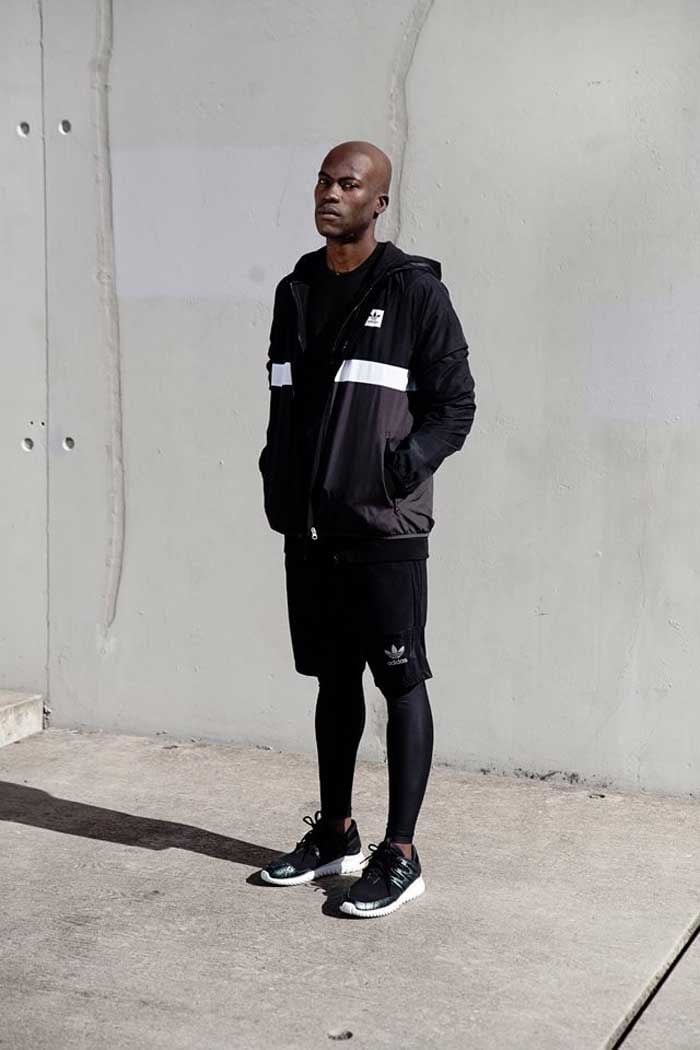
4. Adidas
It seems that the German sportswear brand Adidas is still in Nike’s shadow as it could only managed fourth in the most popular fashion brands of 2015. There was one area in which Adidas overpowered its rival and that’s Facebook as it has more than 80 million fans, however, Nike won through with more Instagram, Twitter and Pinterest followers, and even more Retweets, Instagram mentions and Google search traffic. Nike received more than 37 million mentions on Instagram compared to Adidas who received nearly 4 million, showing that the sportswear giant has a little way to go with its global social media reach.
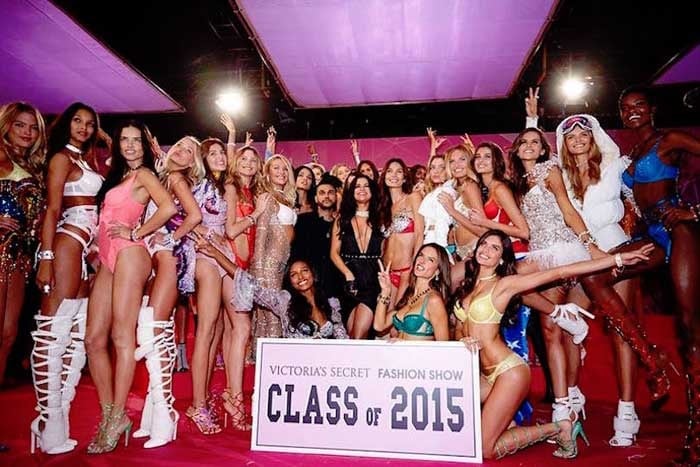
5. Victoria's Secret
American lingerie brand Victoria’s Secret took fifth spot, helped by the popularity surrounding its fashion show and its model ‘Angels’. On Instagram, the lingerie brand has close to 32 million followers, making it the most popular brand in our chart on the picture sharing platform, however, the brand only received close to 3 million Instagram mentions, much lower than the 37 million Nike received, which is why it only managed to secure fifth place in the most popular fashion brands of 2015. Its reach is also huge on Facebook with more than 40 million fans, 9 million followers on Twitter, and the lingerie label also takes top spot for the most Pinterest followers in the top 10 with more than 388,000.
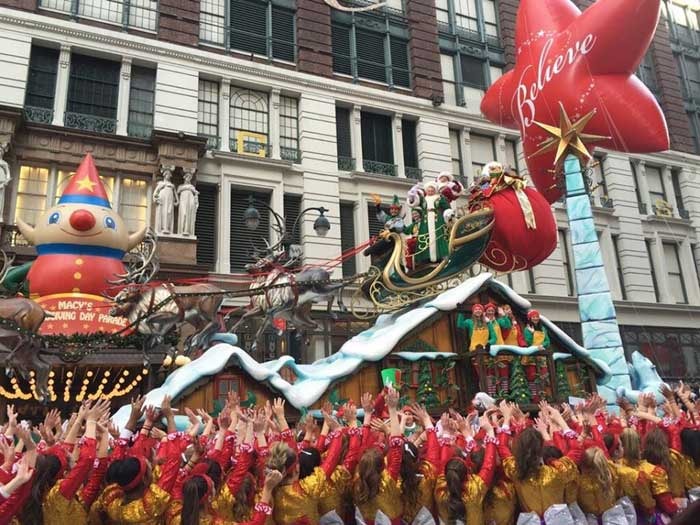
6. Macy’s
The only department store to make the top 10 most popular fashion brands is American chain Macy, showing that its heritage and size, it has more than 900 stores across the United States, makes it more popular than UK department stores such as Selfridges and Harrods, who weren’t even listed in the top 40. Macy’s may have significantly lower followers on Instagram, only 460,000, however, the department store makes up for it with large number of people searching for the retailer on Google, with 112 million searches compared to just 72 million for Adidas and 84 million for Victoria’s Secret.
7. Forever 21
Forever 21 is one of America’s best known fashion retailers, known for its affordable clothing, and in recent year’s the fashion chain has been expanding to the UK and Europe, with a flagship located on Oxford Street in London. The fashion brand is helped to seventh spot due to having close to 9 million followers on Instagram, more than Zara in second place and Macy’s in sixth, however significantly less than Nike, Adidas and Victoria’s Secret. Forever 21 does also have two million followers on Twitter, 12 million fans on Facebook, and has the second highest amount of Pinterest followers behind Victoria’s Secret with 267,000. The high street name also received more than 88 million Google searches, twice as much as Michael Kors ranked in eight spot.
8. Michael Kors
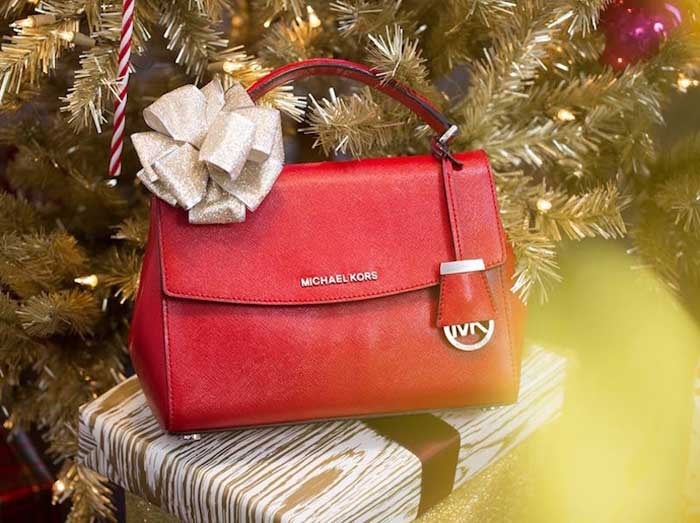
American designer brand Michael Kors marks the first of the luxury brands making the top 10 most popular fashion brands, beating off competition from Louis Vuitton who could only managed tenth place, while Chanel was ranked 11th, Gucci in at 14th and Burberry could only manage 16th spot on the fashion chart. Michael Kors took eighth place thanks to a high number of retweets, close to 700,000 and 16 million Instagram mentions of the frequently-used #michaelkors hashtag. Its Instagram mentions are only rivalled by Nike and Louis Vuitton. However, the designer brand known for its handbags, only received close to 45 million searches on Google, the second lowest in the chart.
9. Mango
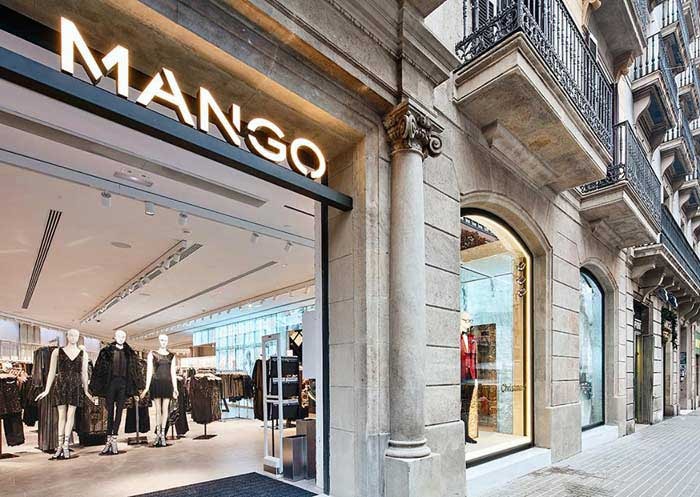
Rounding off the last high street fashion brand in the top 10 is Spanish retailer Mango, which has nearly 2,000 stores in 104 counties. The fashion chain, which is more popular in Europe than the rest of the world, could only manage ninth place due to its lower social media followers, which are below Zara and H&M. On Instagram, Mango has nearly 4 million followers, on Facebook just over 9 million, and on Twitter the retailer hasn’t even hit 1 million with just 739,000 followers. However, the retailer did receive close to six million Instagram mentions and had double the Google search traffic of Louis Vuitton who came in at number 10.
10. Louis Vuitton
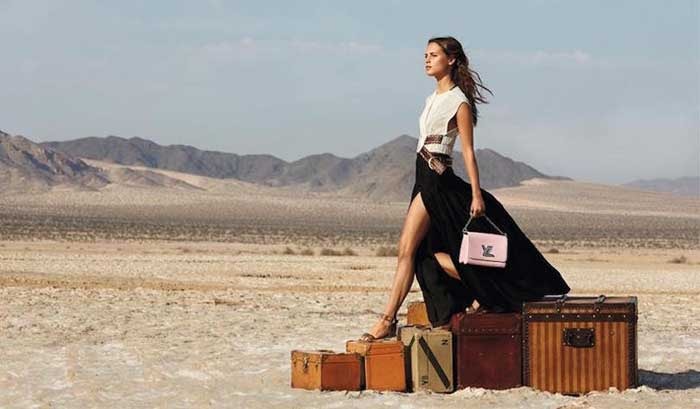
The last fashion brand in the top 10 most popular fashion brands of 2015 is luxury French fashion house Louis Vuitton, only the second luxury brand in the top 10 ranking. The French brand enjoys a large social media reach, with just over 18 million fans on Facebook, more than 8 million followers on Instagram and 5 million on Twitter. The luxury label also enjoys a high amount of Instagram love with more than 19 million mentions during 2015, probably helped by the opening of its free exhibition in London and the popularity of its live streamed fashion shows during Paris Fashion Week.

The most popular fashion brands of 2015 were calculated by FashionUnited based on their social media followings on Instagram, Twitter, Facebook and Pinterest, as well as the number of hashtags and mentions on Instagram, retweets, and Google search traffic results. The final score is weighted in favour of Facebook followers, retweets, Instagram hashtags and Google search, over Instagram and Twitter followers.


Read More........

HSI and H&M Unite to Improve Animal Welfare within the Industry

HSI and H&M Unite to Improve Animal Welfare within the Industry
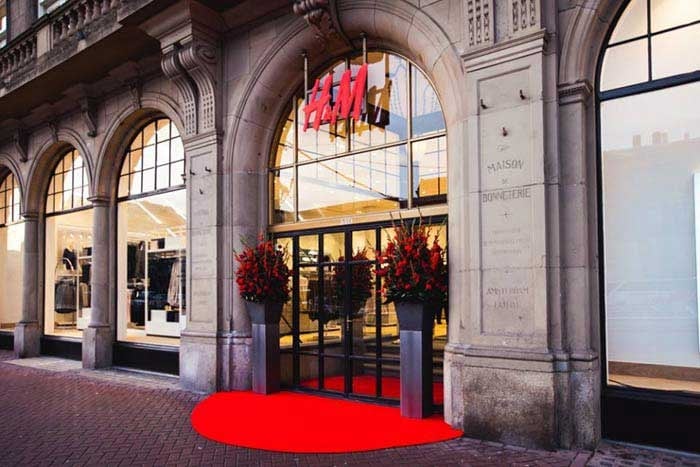
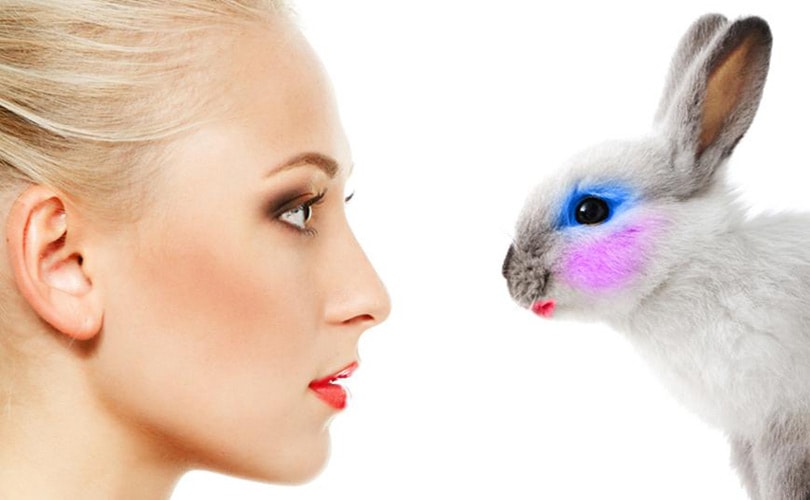
Vivian Hendriksz | Wednesday, September 09 2015: London - Swedish fast-fashion chain H&M is on a new mission to ensure the ethical treatment of animals becomes a priority in the fashion industry together with the Humane Society International (HSI). Together with the global animal rights' organization the Humane Society International, H&M has developed a series of animal welfare pledges to protect animals involved in the fashion and beauty industry. The new initiative includes a commitment to pursue policy change in countries across the globe, including national legislative bans on animal testing of cosmetics and protection against the cruel practices within wool and downproduction, such as mulesing and force-feeding. H&M teams up with Humane Society International to ensure Animal Welfare standard "Animal welfare is important to us at H&M and we want to contribute to improved animal welfare practices in our industry, which is why we are committing ourselves not only to further improve our own requirements, but also to work collaboratively with HSI to elevate standards throughout the industry and globally," said Madelene Ericsson on their partnering. "HSI is a globally recognized organization with manys years of experience within this area we believe they will be a very good partner in pushing for change and we hope that other companies will be inspired to do likewise."  HSI and H&M be working hand in hand to ensure the welfare of animals from which wool, hair or down is derived from is improved. Their initiative includes their participation in the development of global wool and down standards as well as other auditing programs. The two will also collaborate together to introduce industry-wide policy changes, such as national legislative bans on mulesing, live-plucking of birds and force-feeding. "Within the fashion industry, the hidden suffering of animals used in the production of wool, down, and leather is too often ignored," said Chetana Mirle, director of HSI’s farm animals department on the new collaboration. "H&M is demonstrating great leadership by expanding its existing animal welfare commitments, and supporting the development of certification and educational programs that will actively improve the welfare of animals such as sheep, goats, geese and ducks in the industry as a whole. We are particularly looking forward to working together to eliminate cruel farming practices such as mulesing from the fashion industry, which would be an immense animal welfare achievement.”
H&M continues to push for change for Animal Welfare: H&M will also actively be supporting HSI's #BeCrueltyFree Campaign, which aims to end all animal testing within the global beauty industry. Since its launch in 2012, the campaign has seen a number of test and trade bans victories in regions including the European Union, Israel, Norway, India and New Zealand. H&M aims to support the campaign numerous ways, including consumer advocacy, entering into open dialogue with key stakeholders and supporting training and education programmes. "H&M must be commended for committing itself to our #BeCrueltyFree campaign’s mission of achieving a global end to cosmetics animal testing," said Troy Seidle, director of HSI’s research & toxicology department in a statement. "As a company that already eschews animal testing of its own cosmetics, H&M is now sending a strong message industry-wide that more needs to be done to end the suffering of animals in cosmetics tests." Andrew Rowan, Chief Executive Officer at HSI added: "It is exciting to partner with a company that shares our passion for animal protection. Working with H&M to end cosmetics animal testing, and improve the lives of animals on farms, will set a high standard for others to follow. It will show that it not only makes good ethical sense to treat animals with kindness and compassion, but it makes good business sense too." H&M currently has a long-term strategy in place to secure animal welfare in its own supply chain. It's policy in brief states the fashion chain does not sell genuine fur; they do not source down or feathers from force-fed or live plucked birds; they do not use angora rabbit fur; they do not source from mulesing farms; they do not use exotic skin or materials from endangered species; no animal testing on their own brand cosmetics; and source leather from animals bred for consumption. Source: fashionunited.com
Read More........

Lia Samantha: Using Fashion to Counter Racism in Colombia

Lia Samantha: Using Fashion to Counter Racism in Colombia
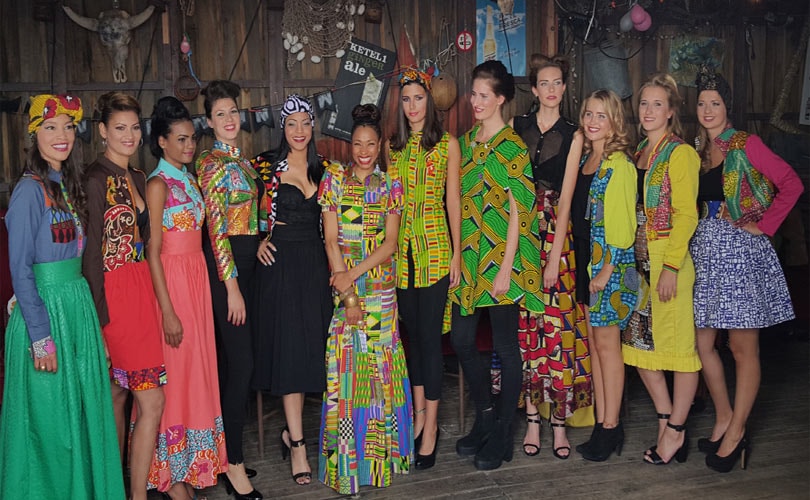
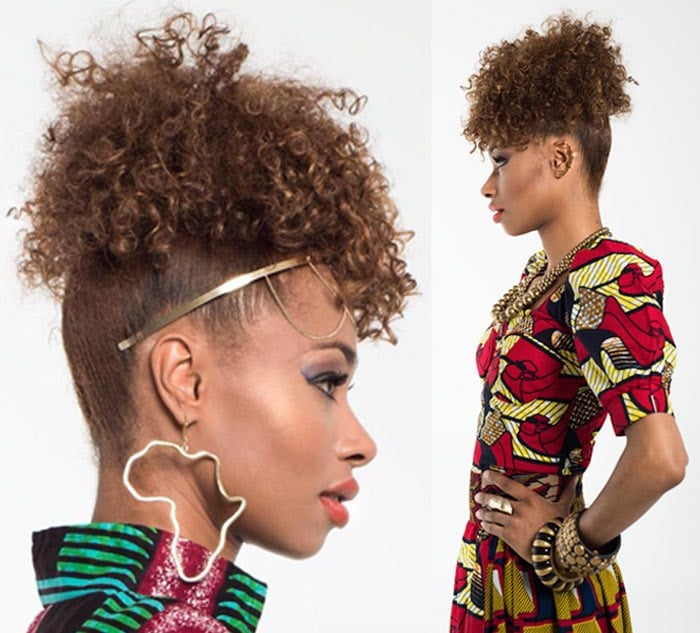
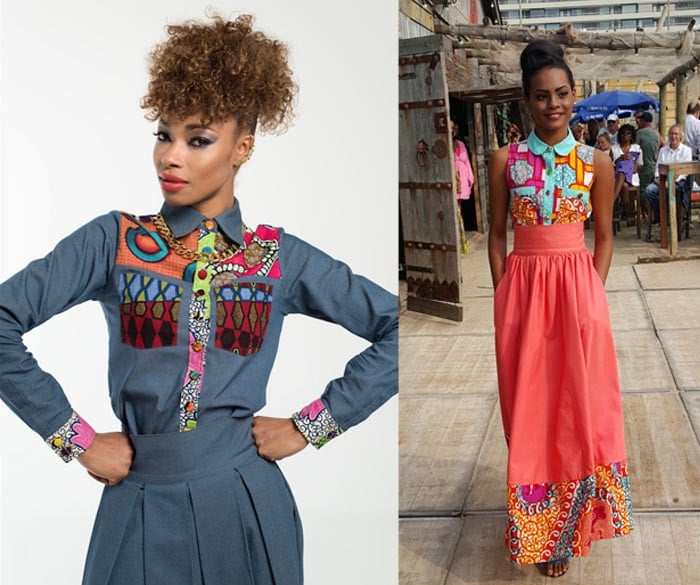
Vivian Hendriksz: Tuesday, 01 September 2015, INTERVIEW: When looking at fashion emerging from Latin-America today, traditional African prints, with vivid reds, magentas, emeralds and blue may not spring to mind straight away. But it is these contrasting and bold colours that are at the center of Lia Samantha Lozano Rendón collections, a rising singer/designer whose designs are increasingly in demand and worn by women ranging from Miss Universe 2014, Paulina Vega, to tv presenters and office workers. When asked why her designs revolve around Africa colours and patterns, the answer is more complex than previously thought: "I created my own fashion label to better understand myself, my cultural roots and my own heritage, I am not just Colombian, I have roots in Africa as well and see fashion as a medium to better learn about the richness of my history." Born and raised in Bogota, Lia Samantha identifies herself and her designs as Afro-Colombian, which is a statement in itself as she hails from a country where the lines between ethnicity and race tend to be blurred.  Lia Samantha: 'I see fashion as a medium to better learn about the richness of my history' According to the most recent national census, 85.9 percent of the Colombian population identify as "without ethnicity", 10.6 percent as Afro-Colombian and only 3.4 percent as indigenous, suggesting that the majority of Colombians do not identify with concepts such as race and ethnicity, but merely apply it to others. Growing up in a city where the predominant population is white, Lia experienceracism<.u> from a young age onwards. "Up until recently, you could turn on a television in Colombia and not see a single person of colour present - not even in the soap opera's, or in the news or the daily shows - they were simply not present. So I thought to myself, okay I am Colombian but I feel completely ignored by the media and telecommunications, people of colour are simply not visible." It was father, who hails from Chocó, a region known for its large, mixed population, who gave her tools she needed to express herself and connect with her roots. "It is thanks to my father that I grew up listening to a lot of 'black' music, which led to my discovery of our heritage and roots. Music has been the tool which led to the discovery of other artistic experiments, such as fashion design." Studying Fashion Design at the
Lia's designs: 'a reinterpretation of African dress, with a modern twist'
National United Corporation of Higher Education in Colombia, she launched her independent label in 2010, spreading her time between designing, presenting and touring with her band Voodoo SoulJah. "In fact, the first time I came into contact with African fabrics was when I was in Toronto, Canada, travelling with my band," she explains. "It was incredible, I found this African-Canadian community, with local stands and I bought all of these fabrics, it was so drawn to them." "I am greatly inspired by the more traditional style of African dress, how tribal women dress and adorn themselves. I would say my designs are a reinterpretation of these traditions, but with a modern twist. I take these traditional fabrics and use them to create contemporary and modern garments for all." A fan of designers such as Stella Jean, Ozwald Boateng and Mimi Plange, she aims to take her designs to the next level as they have. "What's funny though, is that before I began designing I knew nothing about Mimi Plange, or Stella Jean. But unconsciously I have been doing something similar, in my own way, from Colombia. I was simply inspired by African culture from a young age and when I discovered these other designers, it was like wow, there are other African-descended designers who have the same feelings and thoughts as I do." Her desire to keep the dialogue between her African roots and fashion today whilst trying to initiate change in her home country is also evident in her choice of models. Whilst the majority of fashion designers tend to favour skinny, pale-skinned models, Lia Samantha prefers to promote inclusion. "When I went to ColombiaModa last year, (where she debuted her second collection to standing ovation) I was looking for black girls, with natural afros as well as blondes with blue eyes and latina girls with indigenous features."
'As racism is rife in Colombia, I believe that I can use my fashion to start a change'
"As racism is rife in Colombia, I believe that I can use my fashion to start a change. I refuse to exclude anyone, especially as someone who is from Afro-Colombian descent and uses African fabrics, I refuse to dictate who wears and does not wear my designs or sell my clothes solely to African women. I want my designs to be available to everyone. I have witnessed myself that all women look beautiful in my designs, from Miss Universe 2014, to the every day woman. I don't care if they are white, black, blue, purple, green, blue all of them look like queens in African fabrics." However, there are more reasons why Samantha embraces vibrant colours and patterns in her designs apart from cultural significance. "Another reason I love using color is that our ancestors did seek out elegance by wearing black," she points out. "There is nothing elegant about hiding yourself under a black mantel - for indigenous and African tribes a true sense of elegance is found in the wearing of colors, showing your own colours and seducing those around you with colours, just like the natural world around us. To me, there is nothing more elegant than the male peacock showing off his tail feathers of color in all his glory. Nothing more, elegant that a flower blossoming in the morning sun, presenting the full array of its colored beauty. In short, I am trying to change the fixed concept we have of fashion now, which has been the same for a long time."Source: Article
Read More........

Kate Moss: The model, millionaire, mother and muse


It's been 26 years since the skinny girl from south London was 'discovered' at JFK airport, but Kate Moss, who celebrated her 40th birthday this year, is still at the top of her game. Here's a look at how the millionaire supermodel became a one-off, and acquired a rockin'-cool image as well as the status of contemporary muse along the way.
16 January, 12:31 The British supermodel greeted the landmark birthday in typically rocking style by posing as a bunny girl for Playboy magazine in black stilettos and rabbit ears. She riled a few feminists but it was hard to deny that while the years may be rushing by, she's still got it. Moss has recently fronted campaigns by Versace and Rimmel and although catwalk appearances are now rare, barely a month goes by where her image is not on the front pages. Top earner: The Londoner is the fourth highest-paid model in the world, according to Forbes, earning $5.7 million, (4.2 million euros) between June 2012 and June 2013. Behind the cameras, Moss has a busy few months coming up as she makes her debut as contributing fashion editor at British Vogue, and in April launches an eagerly anticipated new collaboration with high-street fashion powerhouse Topshop. Mystique: Moss is everywhere, but her reticence to speak to the media means she remains something of a mystery -- the result of a strategy recommended by ex-boyfriend Johnny Depp. "He told me 'never complain, never explain'," she wrote in her 2012 book, Kate: The Kate Moss Book. "That's why I don't use Twitter and things like that. I don't want people to know what is true all the time and that's what keeps the mystery." This unknown element has only fuelled the curiosity, along with the rock'n'roll lifestyle -- Moss used to date tortured Libertines frontman Pete Doherty, and is currently married to Jamie Hince, guitarist for The Kills. She is rumoured to be planning an epic birthday party on Necker Island, tycoon Richard Branson's private retreat in the Caribbean -- possibly with a Playboy theme. Moss's birthday has been marked by a London exhibition of pictures taken from photographs throughout her career, and a biopic on French television, Looking for Kate. Her story: Moss is not just a clothes horse but also a muse, inspiring the painter Lucian Freud, sculptor Marc Quinn and designer John Galliano, who she famously supported through his fall-out with Dior. The daughter of a barmaid and a travel agent from Croydon, a famously drab suburb of south London,Moss has always lived on the edge of scandal. Early in her career, after she was spotted aged 14 at New York's JFK airport, the pale faced young model became the face of 1990s "heroin chic", a fashion trend blamed for glamorising drugs and anorexia. Moss was accused again of being a bad role model in 2009 when she quipped that "nothing feels as good as skinny feels". In 2005, she lost several major contracts after a video emerged apparently showing Moss taking cocaine, although she soon won them back. Every few years, a model comes along who is touted as the new Kate Moss, currently Cara Delevingne. But many believe there will never be a new Kate. At least, perhaps, until Moss' 11-year-old daughter Lila Grace or another member of her family comes of age -- her half-sister Lottie, 16, recently signed up to the same modelling agency, Storm. (AFP, VoR). Source: Voice Of Russia - UK EditionImage: flickr.com
Read More........